Folklife Festival Hailed as Eno Park “Miracle”
The front-page headline of the Durham Morning Herald, July 6, 1976
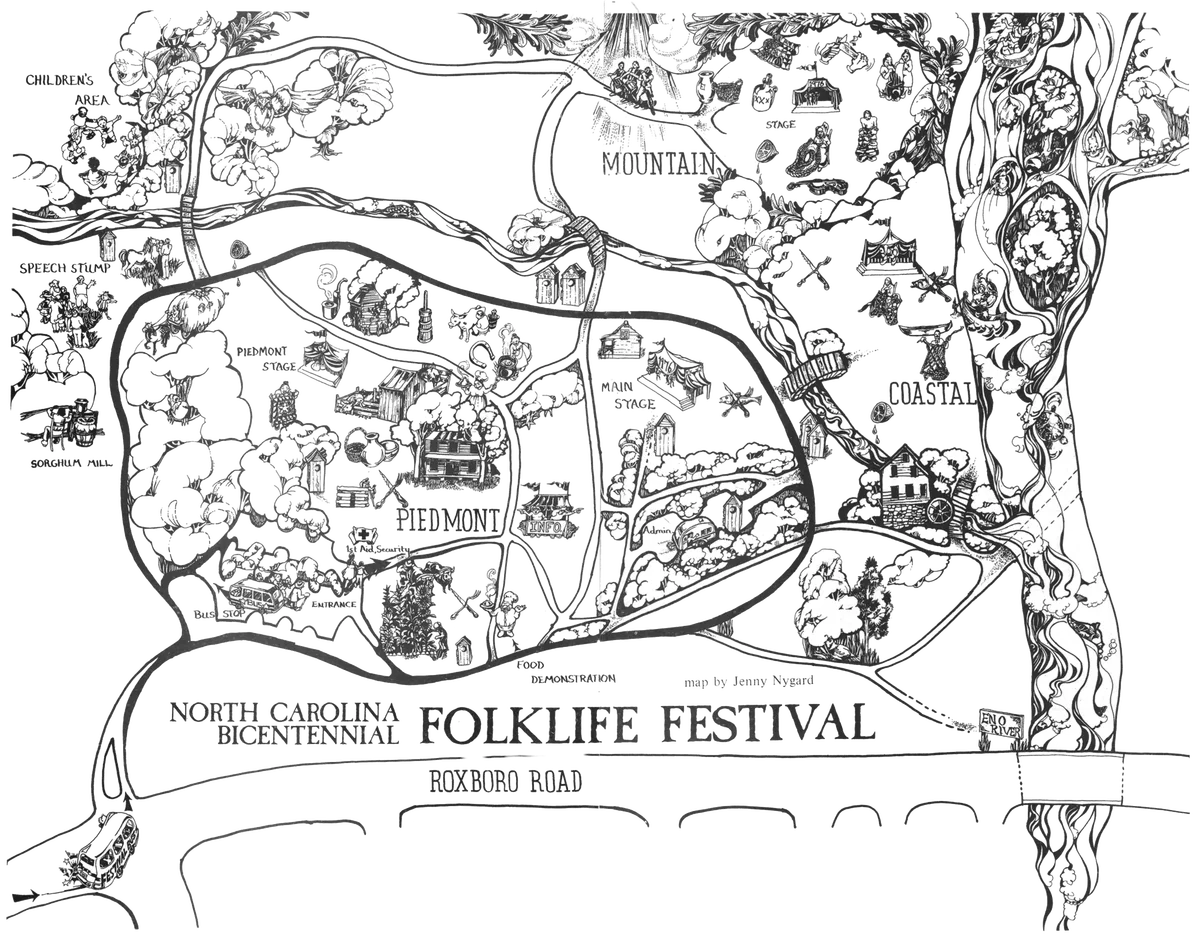
On the weekend of July 3-5, 1976, a festival of deeply traditional North Carolina arts and culture was held at West Point on the Eno Park in Durham in celebration of the 200th anniversary of the nation’s birthday. Attendance estimates ranged as high as 100,000 and beyond and the event turned out to be the state’s largest bicentennial celebration.
A July 6, 1976 editorial in the Durham Sun noted:
A visitor to the North Carolina Bicentennial Folklife Festival during the Fourth of July weekend at Eno River Park was overheard to say that not since the celebrations at the end of World War II have so many Durham people been so happily in accord.
Folk festivals take many forms, but the NC Bicentennial Folklife Festival mirrored that of the Smithsonian Institution’s Festival of American Folklife, which was first held on the National Mall in 1967 and continues to this day.
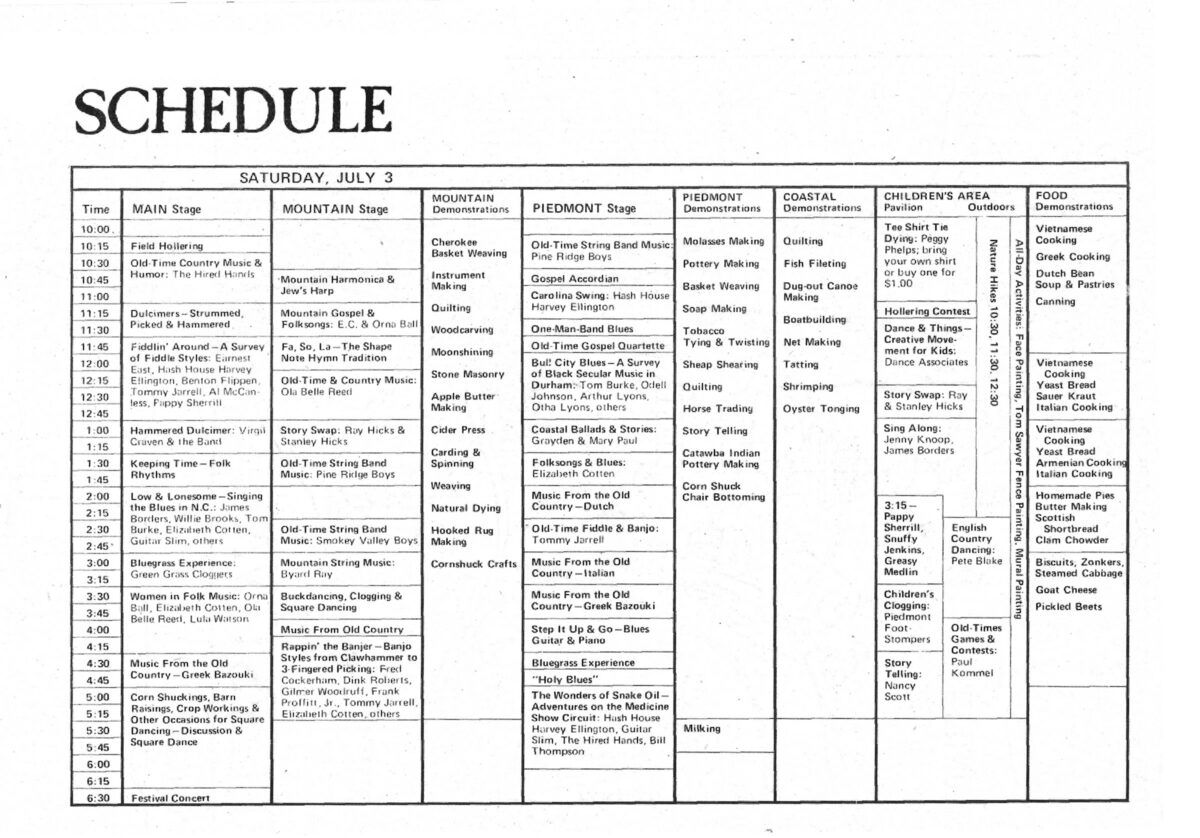
Festival organizers sought out the finest practitioners of all manner of arts and traditions that had been handed down through generations within distinct cultural and ethnic communities from North Carolina’s Great Smokies to the Piedmont to the Outer Banks. It was a splendid gathering of Tar Heel musicians, dancers, crafts and tradesmen, storytellers and cooks that would be hard to replicate today.
But it was not only the state’s folk artists who were celebrated on that historic weekend. The festival opened the gates to Durham’s West Point of the Eno Park, following years of advocacy led by the tireless Margaret Nygard. Her efforts saved the Eno River corridor and protected irreplaceable natural and cultural resources.
The festival inspired the NC Department of Cultural Resources to create the Office of Folklife Programs in 1977, later to become the Folklife Section of the NC Arts Council. And it provided a template for the popular Festival for the Eno, generating funds to protect more lands along the river over the event’s nearly 50-year run.
Perhaps, there were powerful intangible benefits, as well. Nearly a decade later, Mayor Charles Markham said this in a March 5, 1985 interview in the Durham Morning Herald:
If there was a single event marking the resurgence of our community spirit, perhaps it was the Bicentennial Folklife Festival of July 4, 1976.
As America’s semiquincentennial celebration gets underway, please enjoy select images and music from the North Carolina Bicentennial Folklife Festival both at the Museum of Durham History and on this website. Additional content will be included in the coming weeks.
__
Bob Chapman, Coordinator, Durham Bicentennial Commission
George Holt, Festival Director
"It was simply the finest collection of native musicians, dancers, storytellers, craftsmen and tradespeople this state has ever seen together for one event, and every region and facet of folklife was represented by the nearly 300 participants. The festival was also the best organized and most orderly imaginable for an event of its scope and size, and it had the flavor and feel of some the early Smithsonian folklife festivals, which it was patterned after."
- Ed Davis, Greensboro Daily News, July 11, 1976
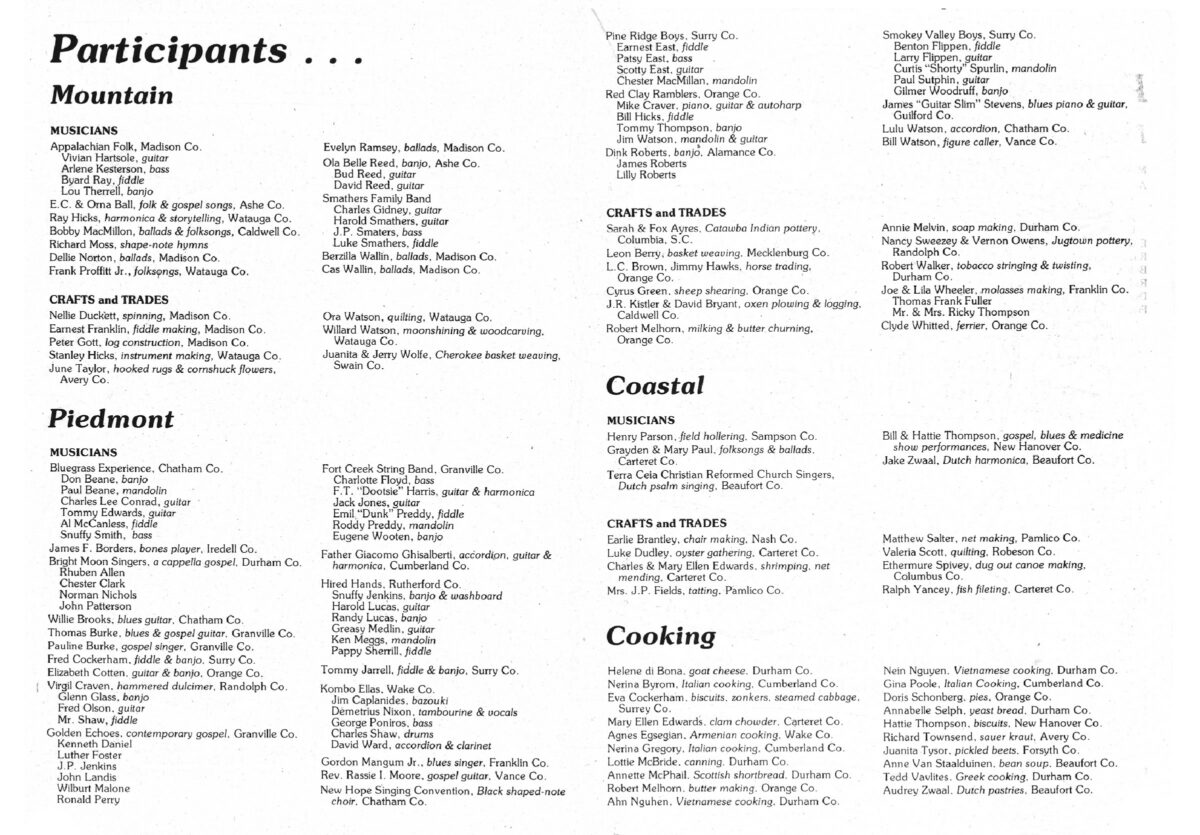
Support the work of the NC Folklife Institute in preserving, sharing, and celebrating the diverse cultural traditions of North Carolina
Photos by Bill Boyarsky
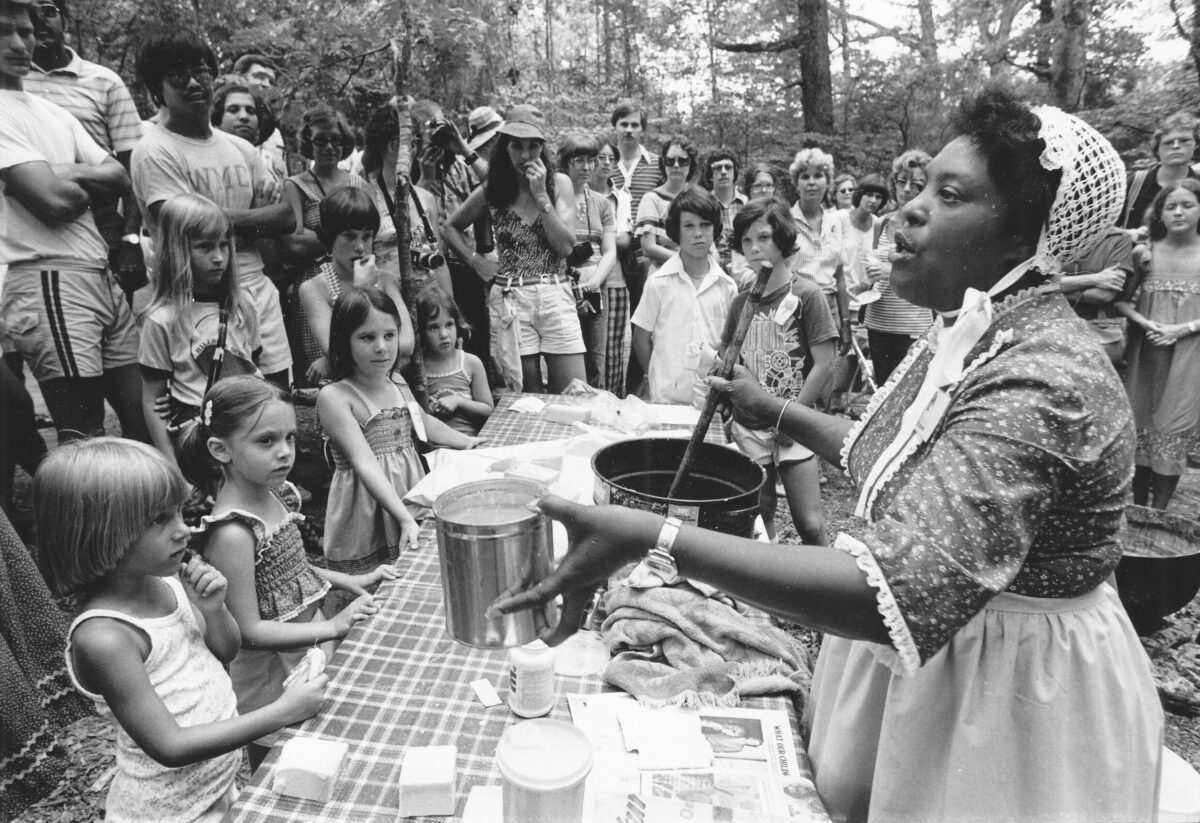
Annie Melvin, Soap Making
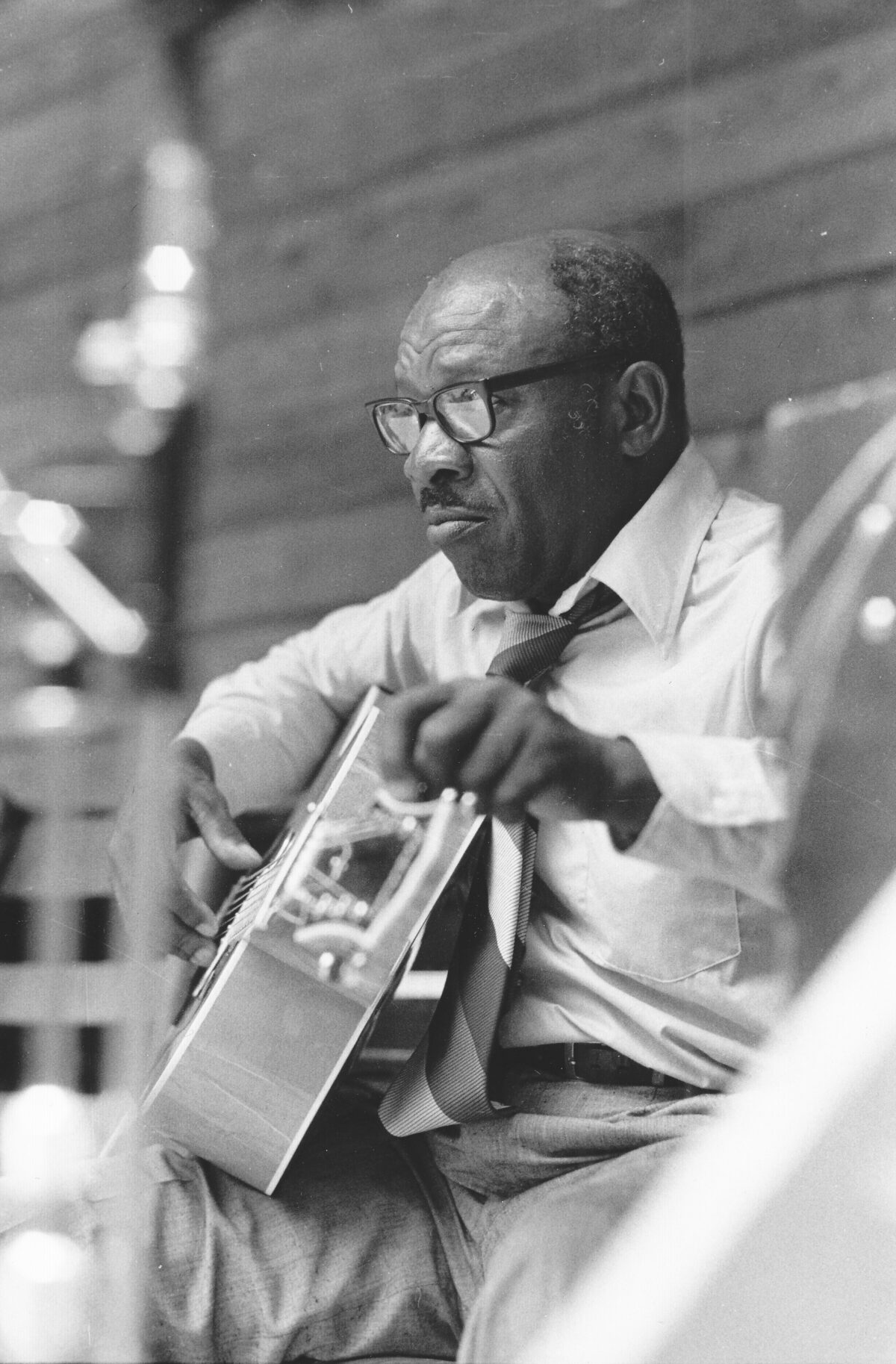
Reverend Rassie Moore, Holy Blues
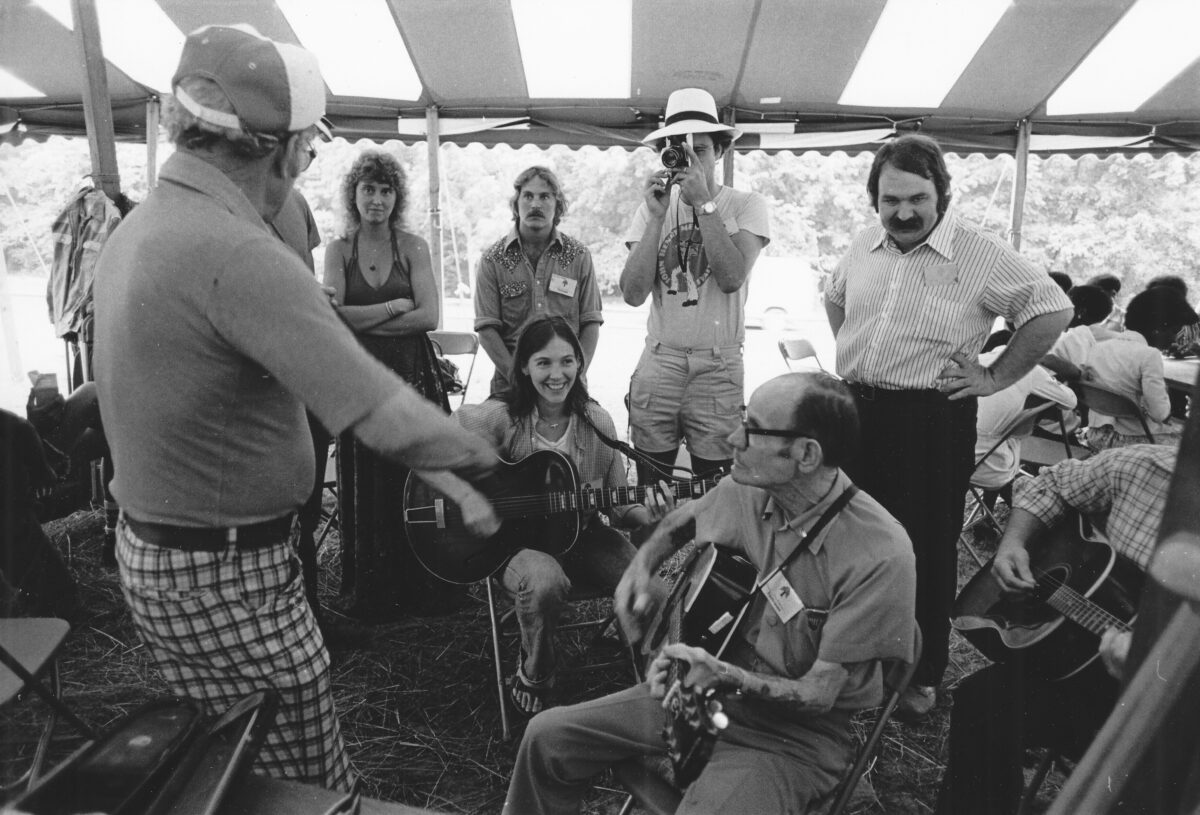
Backstage Warmup
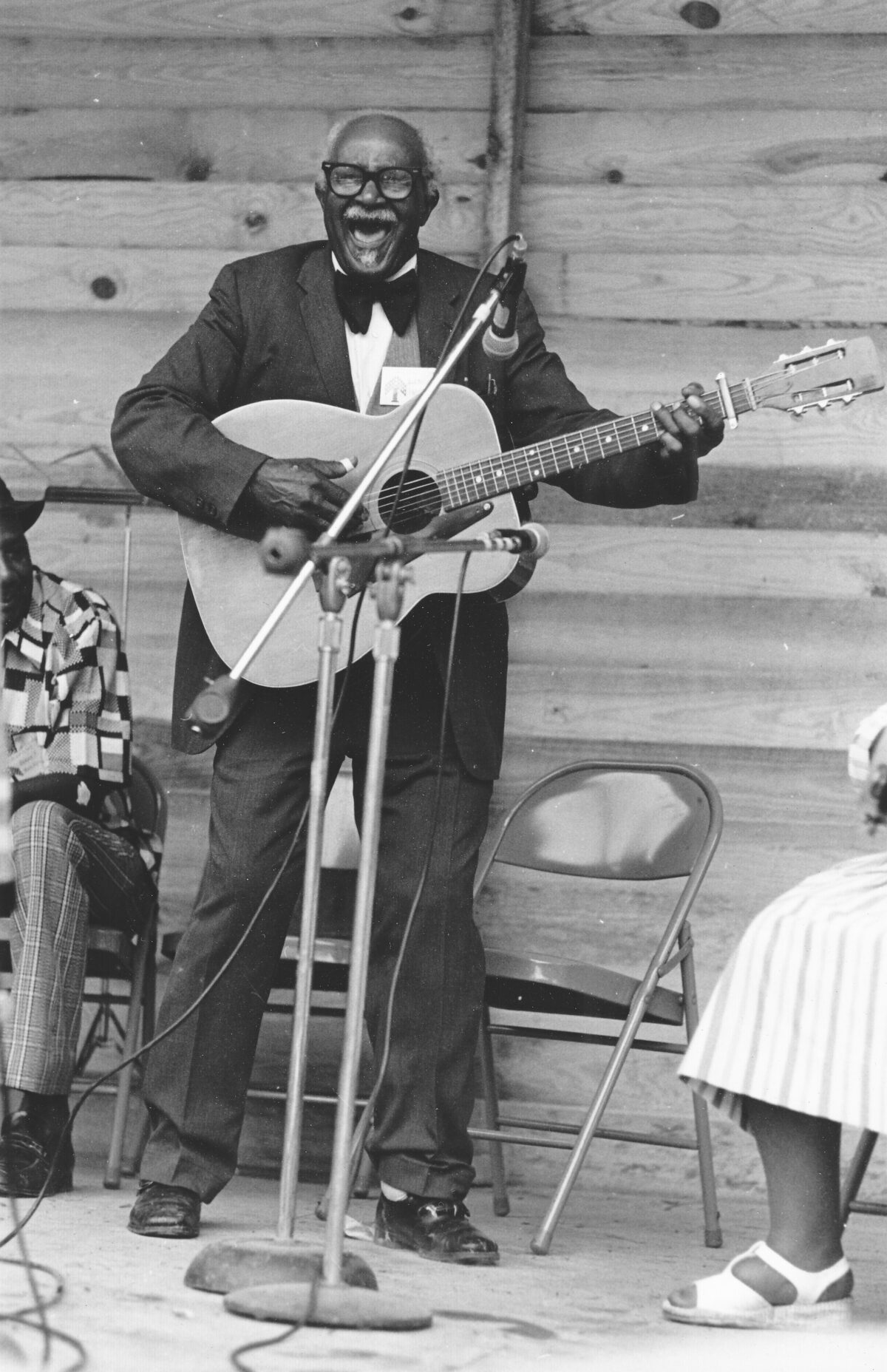
Bill Thompson
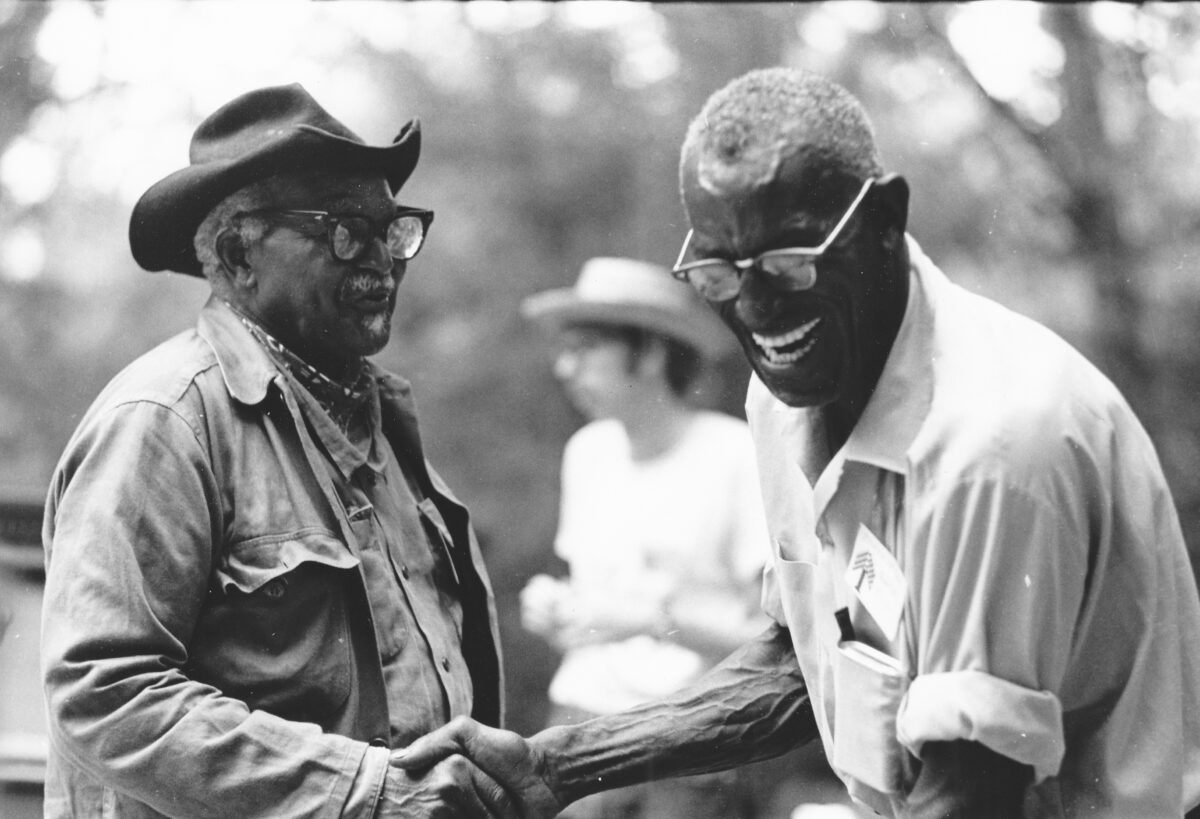
Bill Thompson and Guitar Slim
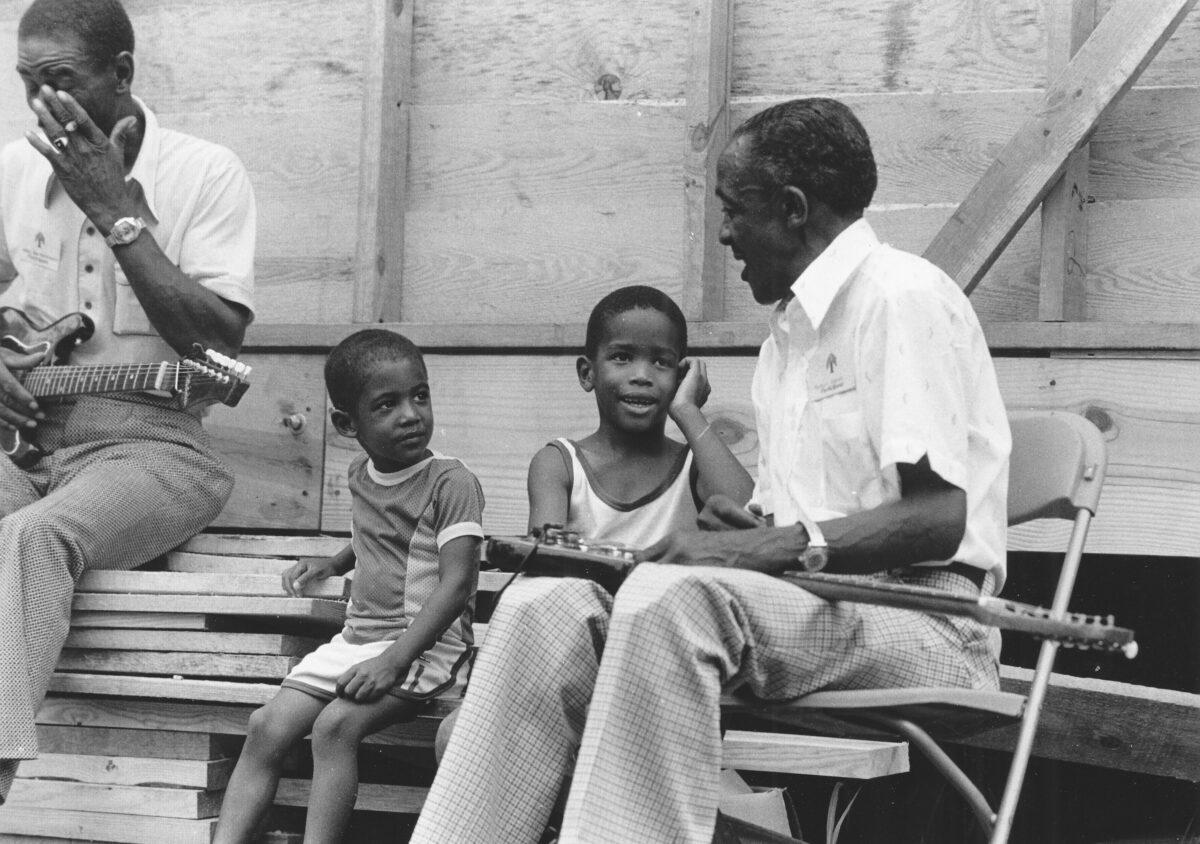
Bluesman Arthur Lyons, with Kids
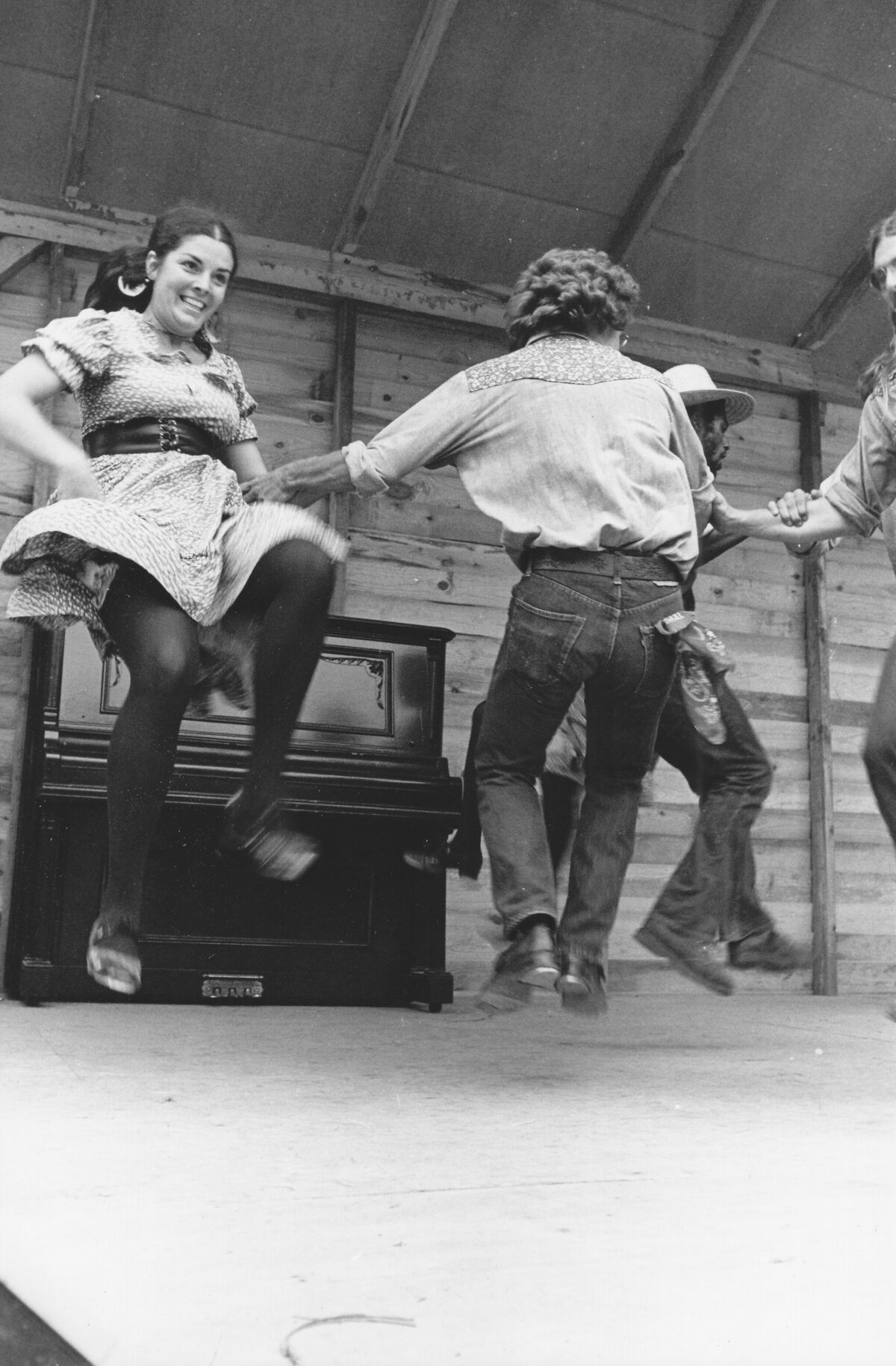
Green Grass Cloggers
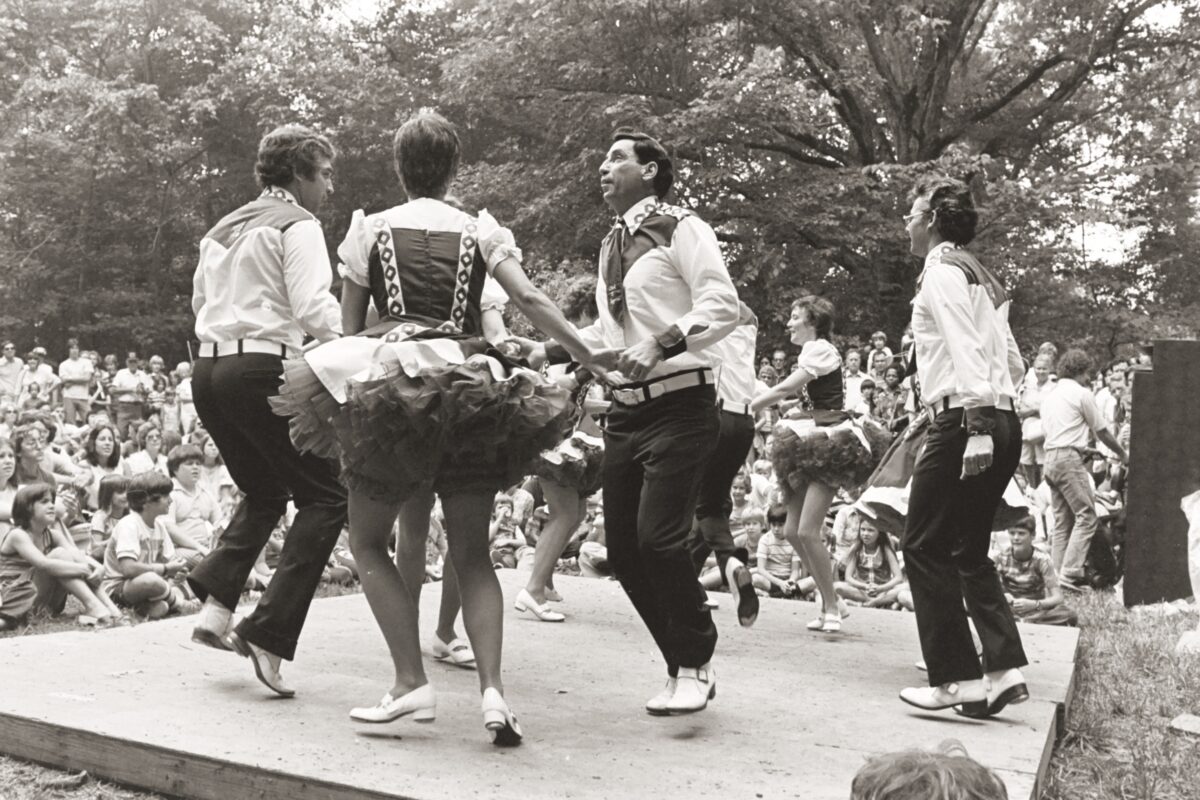
Mountain Clogging
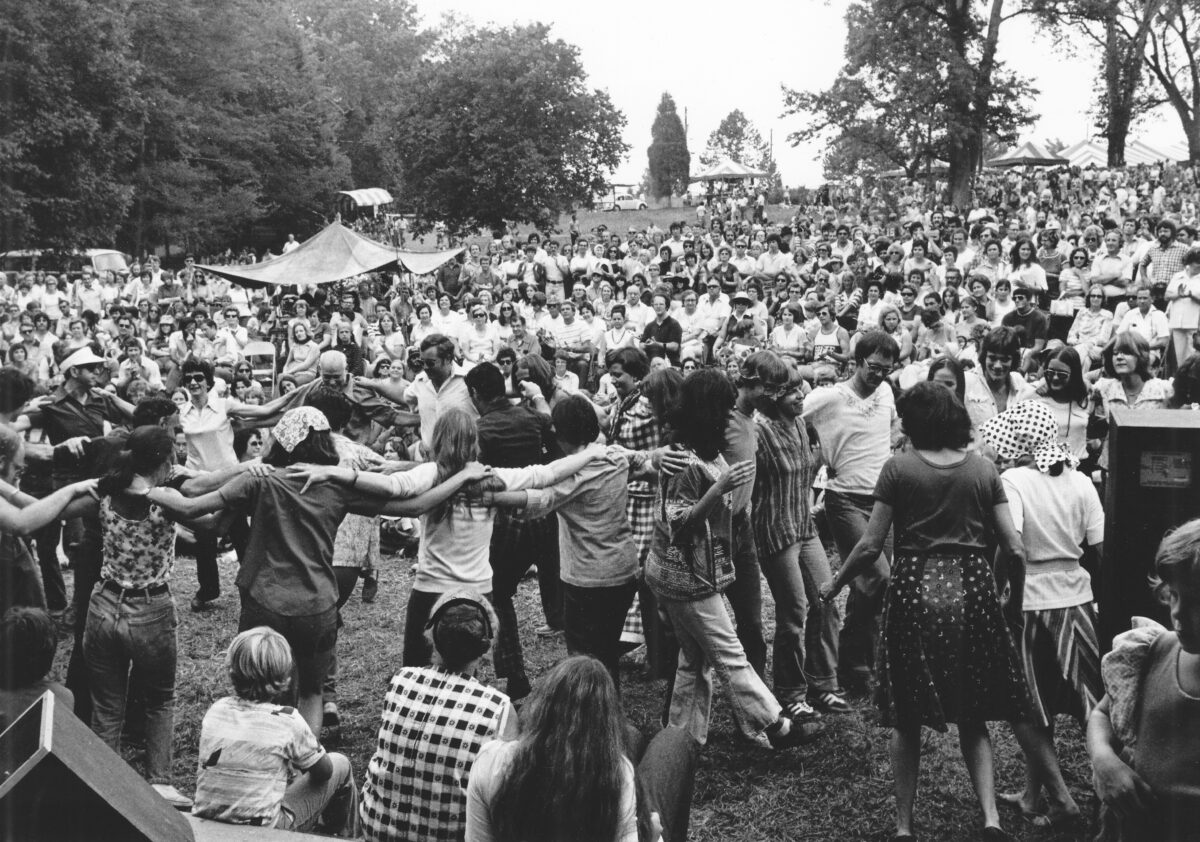
Dancing to Kombo Ellas (Greek Band)
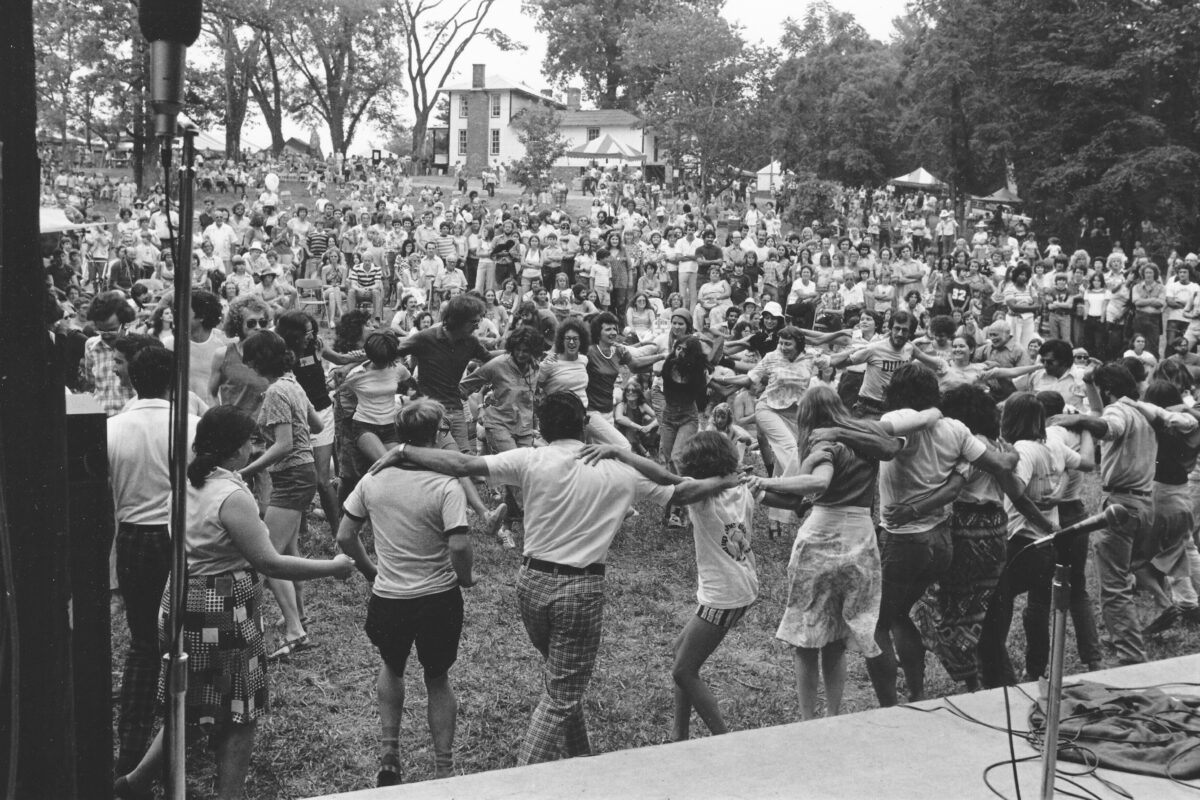
Dancing to Kombo Ellas (Greek Band)
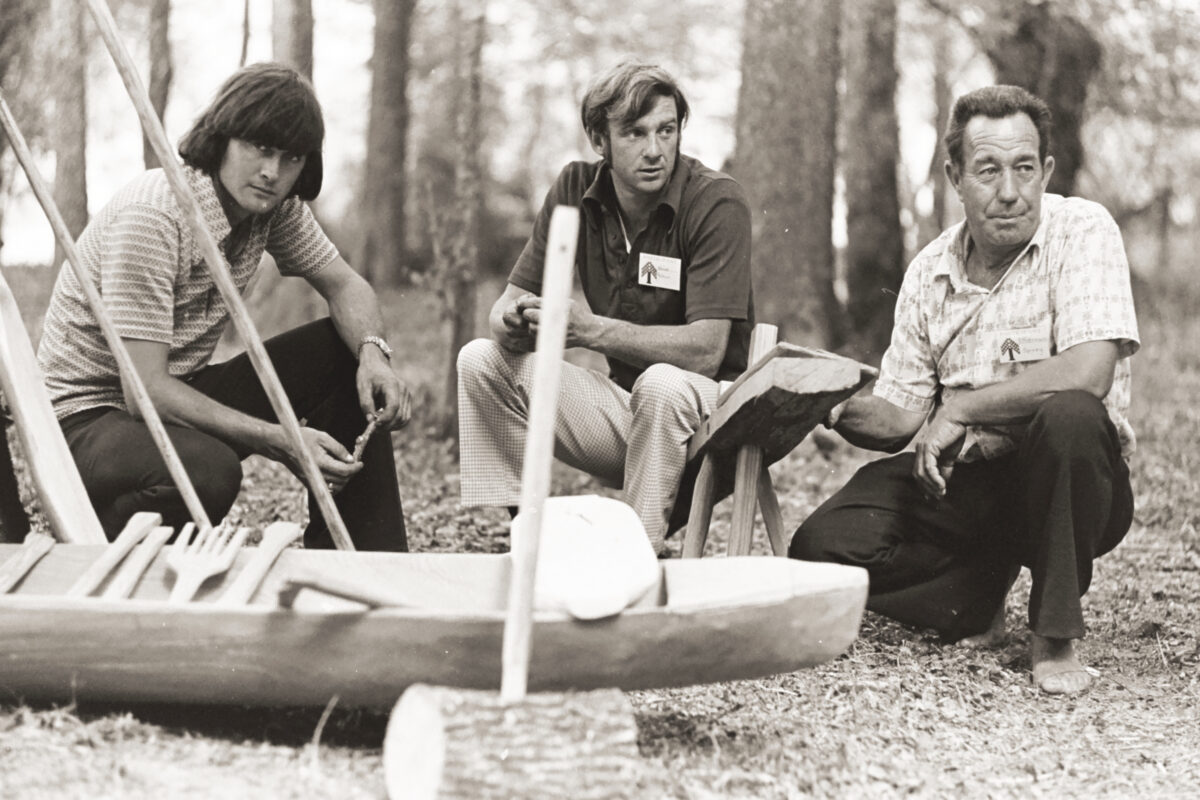
Ethermur Spivey and Sons, Dugout Canoe Making
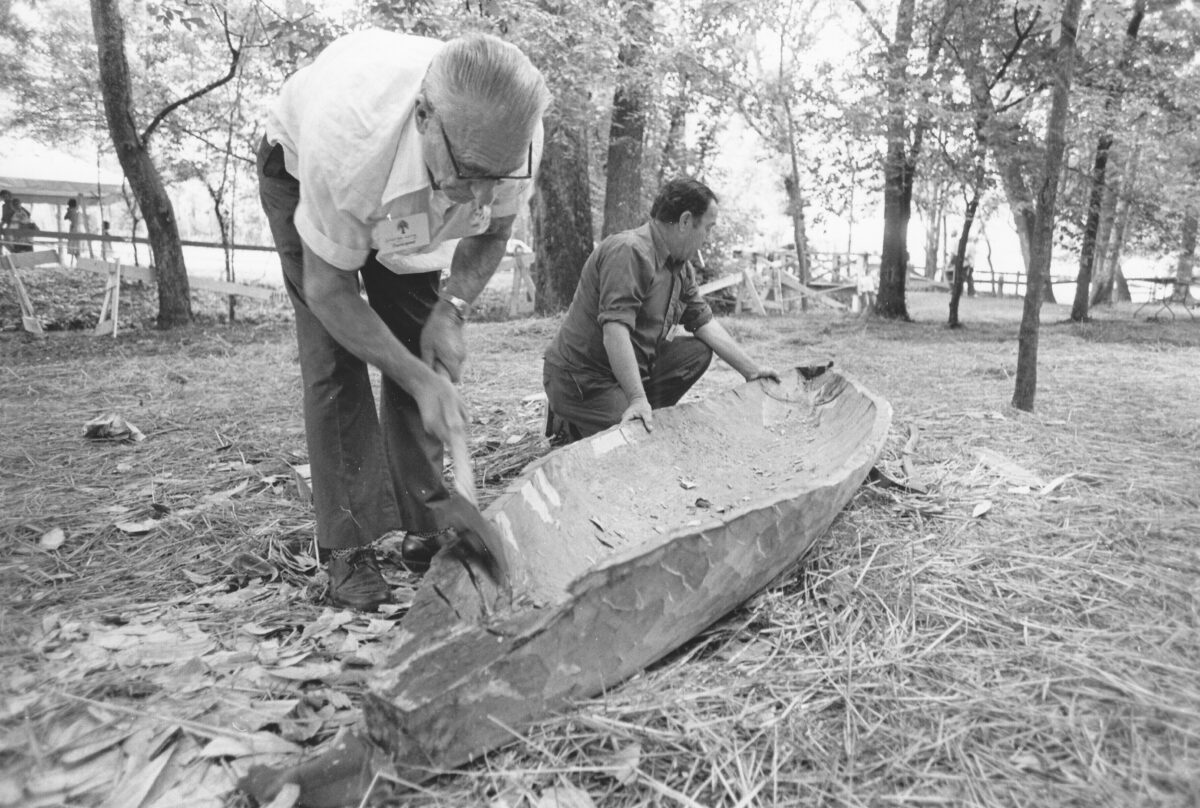
Spivey Family, Dugout Canoe Making
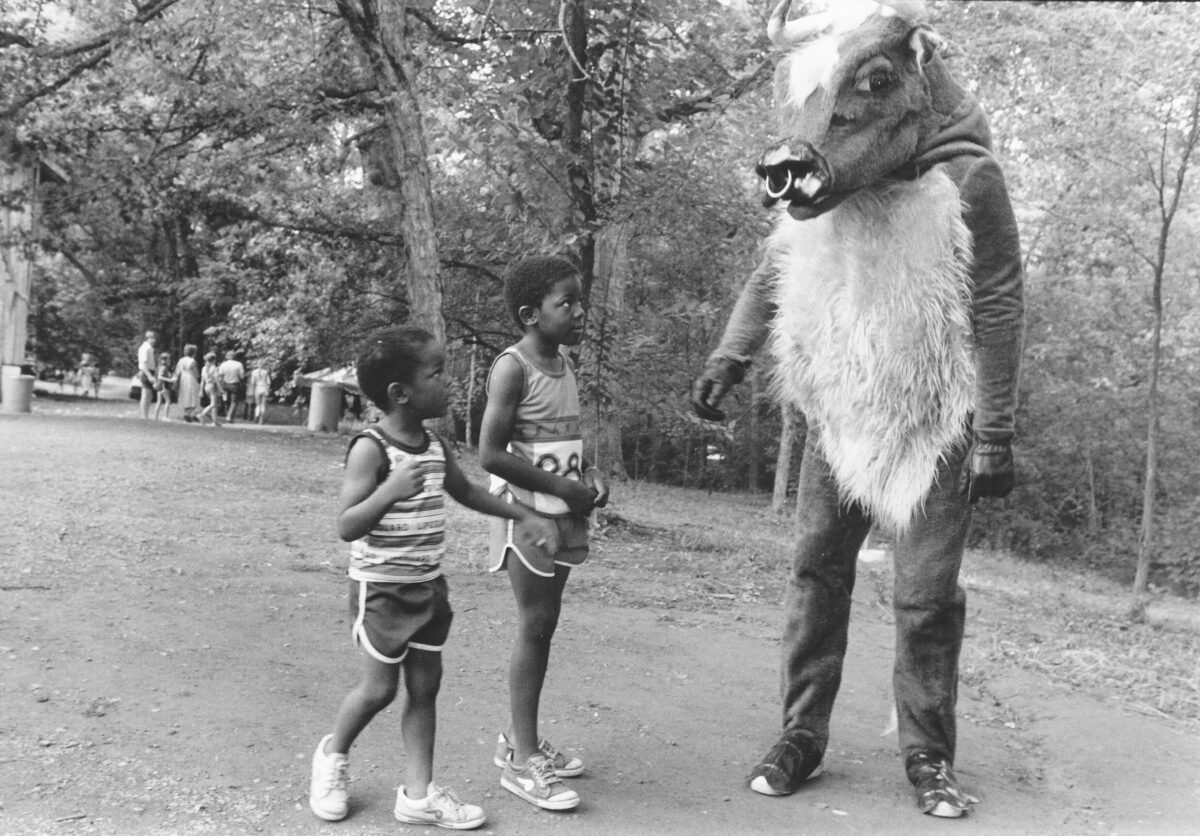
Kids with the Durham Bull
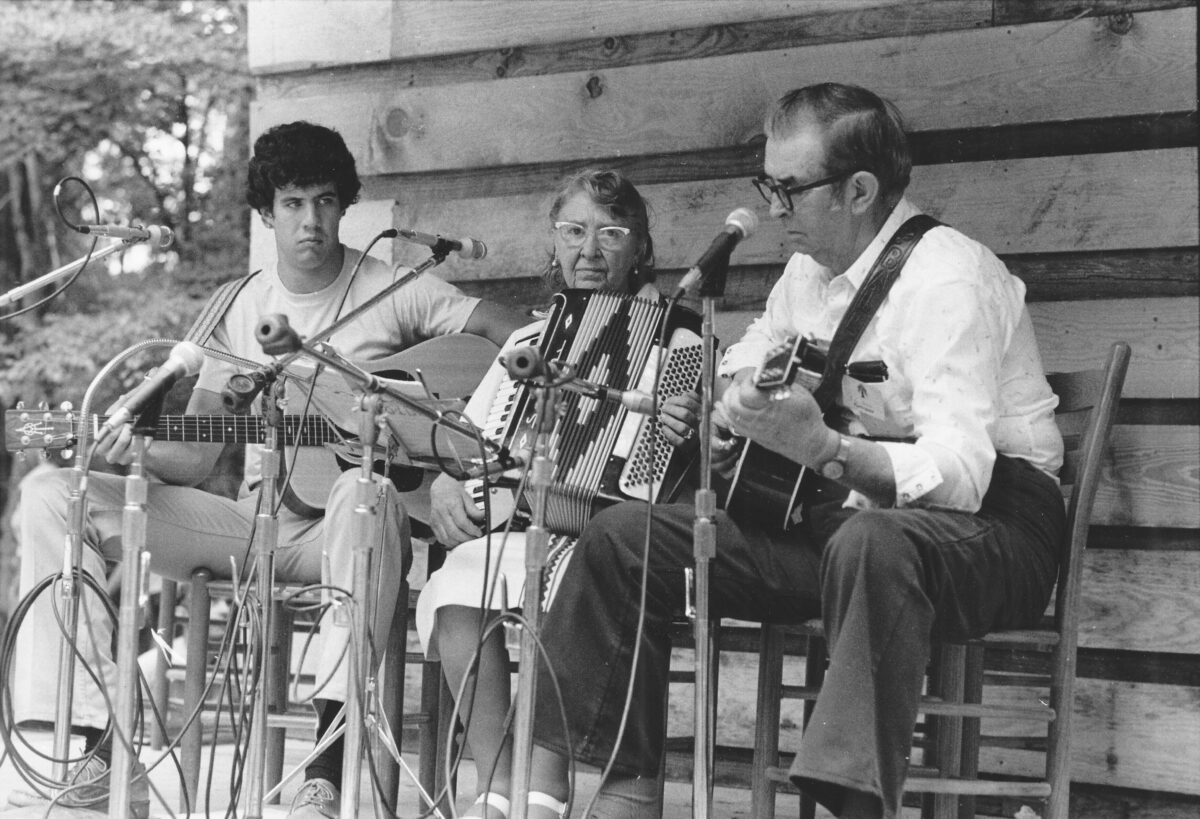
Orna and E.C. Ball
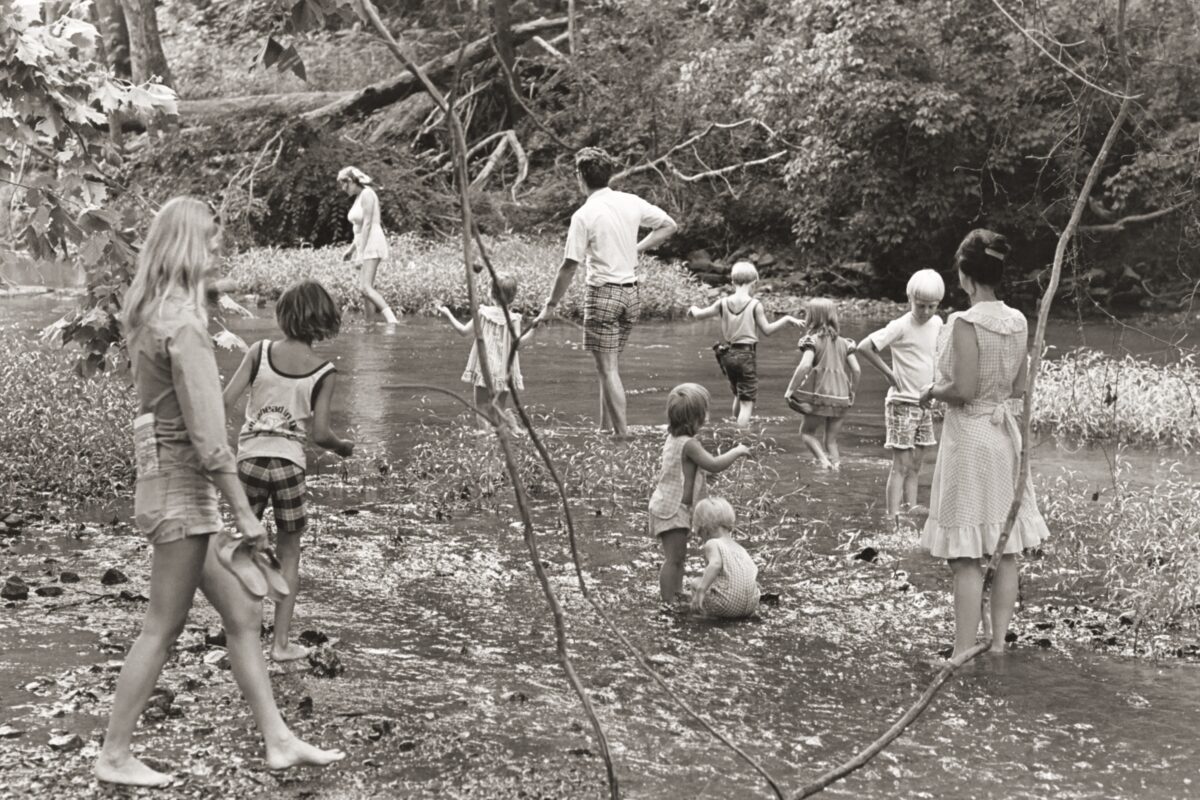
Playing in the Eno River
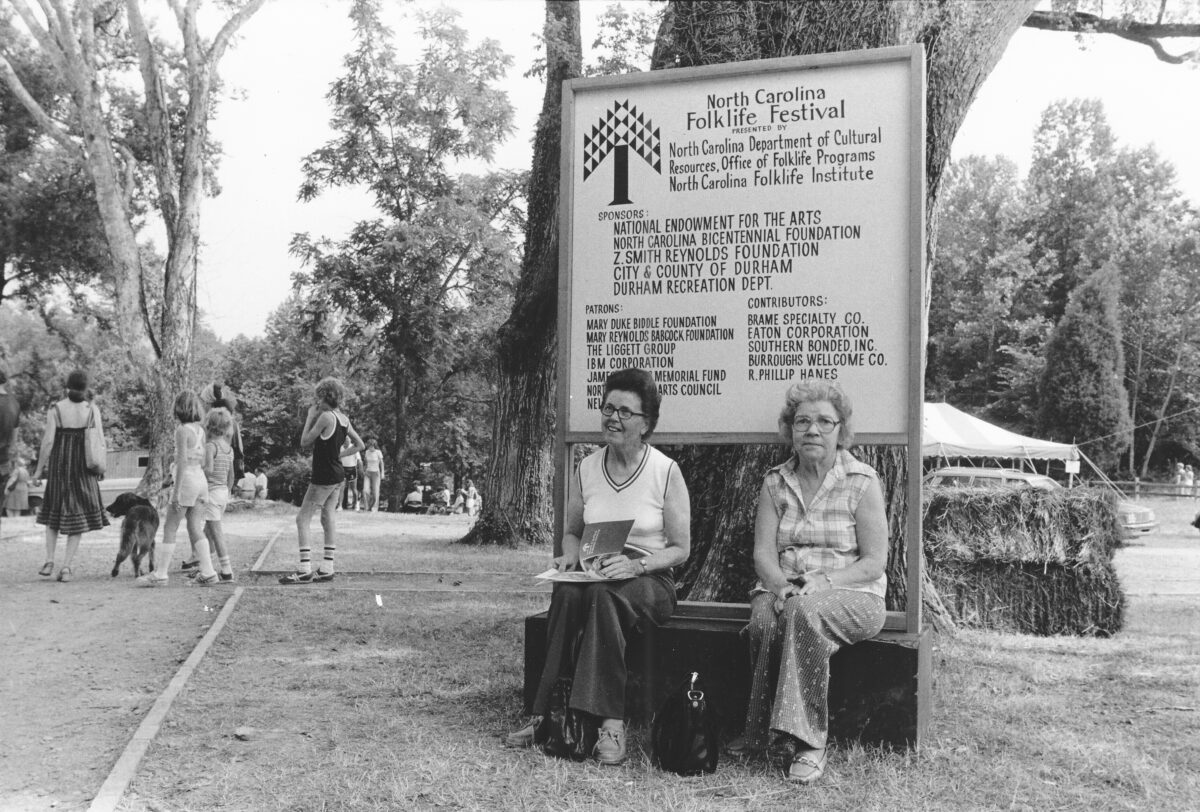
Patrons Resting by the Festival Sign
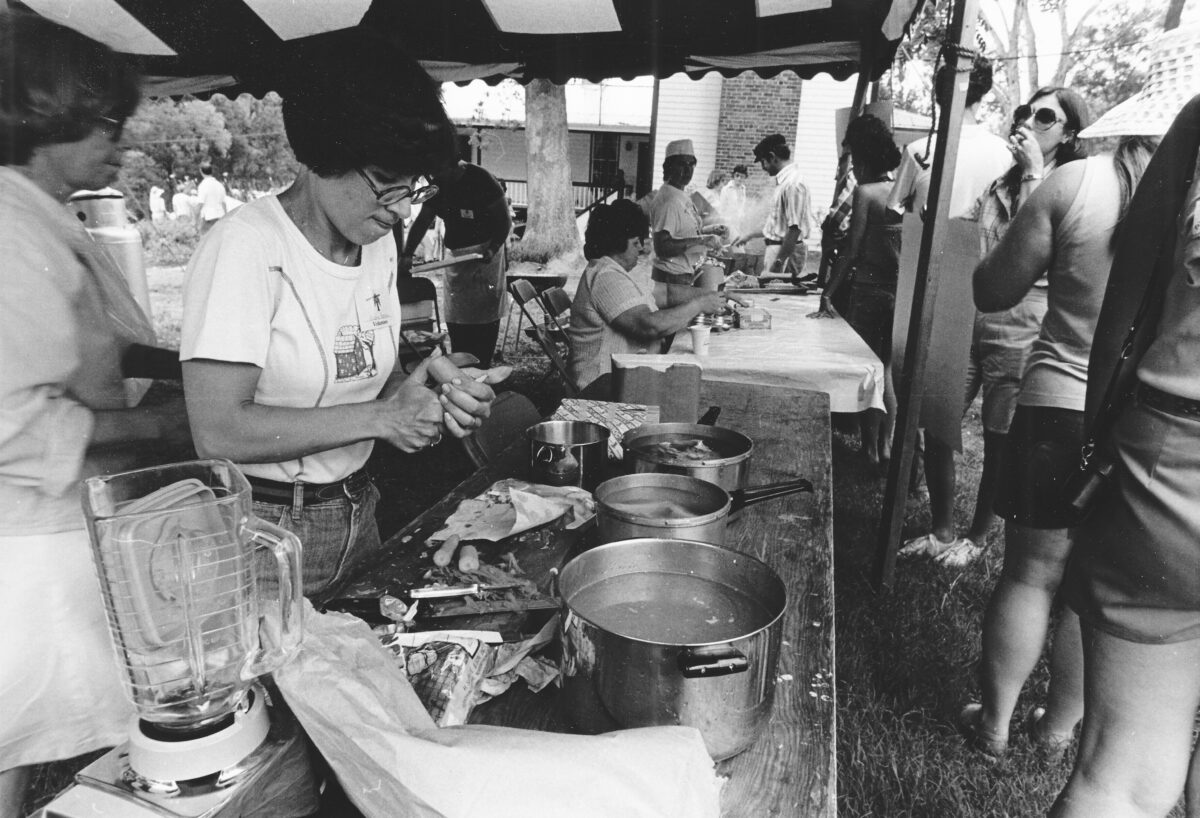
Down East Fish Fry
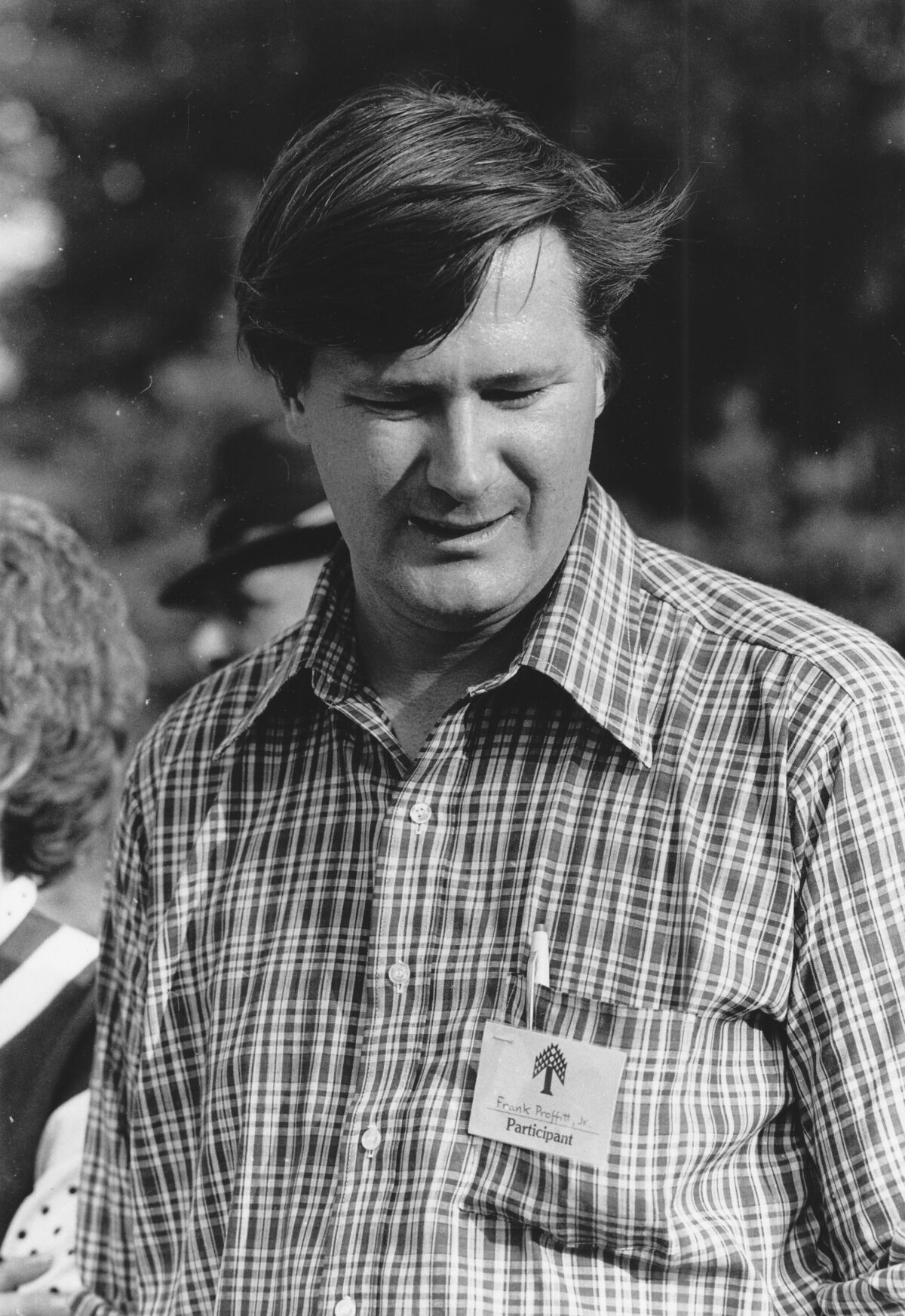
Frank Proffitt Jr.
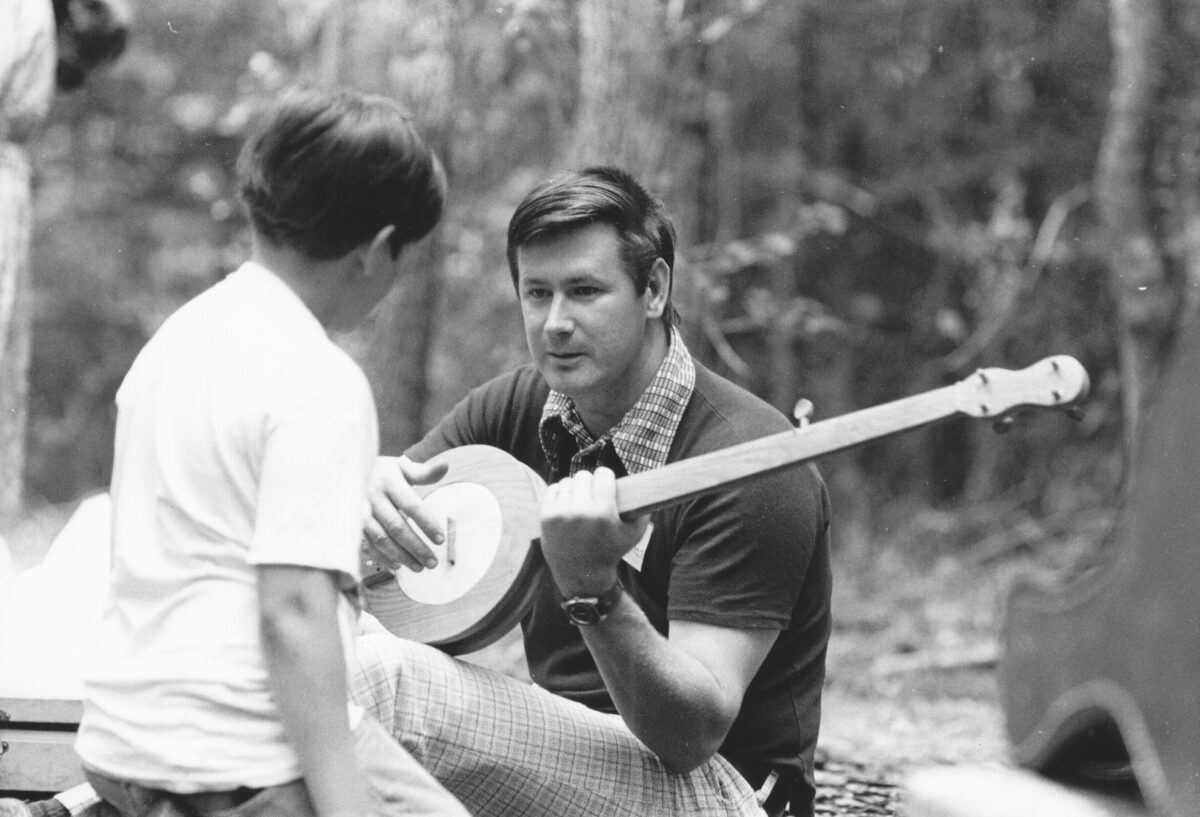
Frank Proffitt Jr.
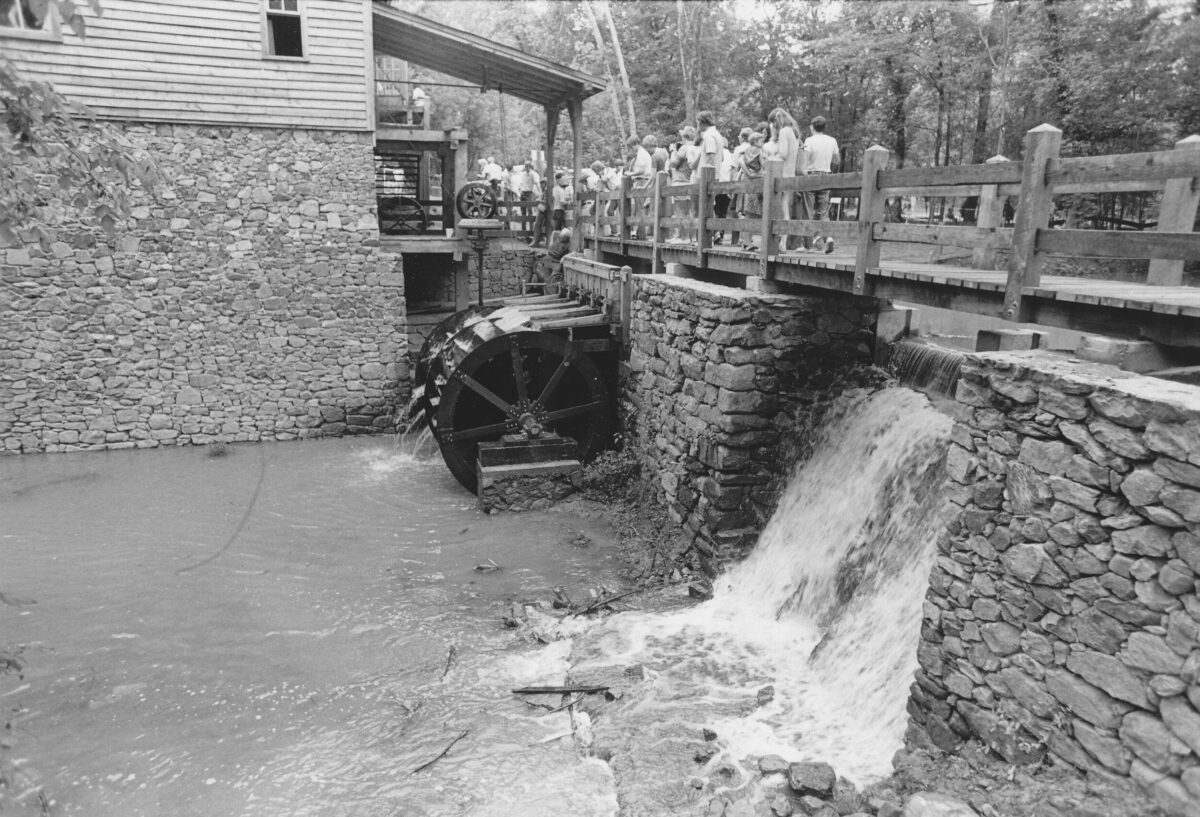
Grist Mill at West Point
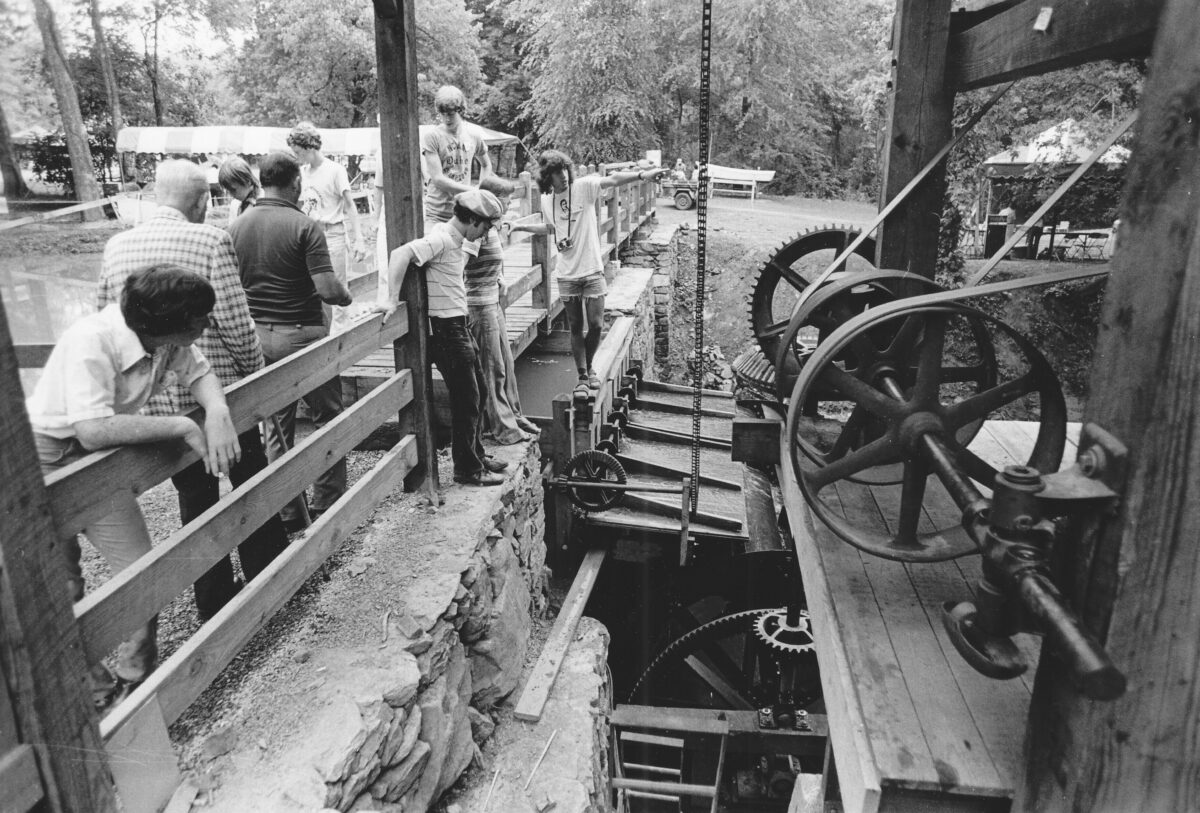
Grist Mill at West Point
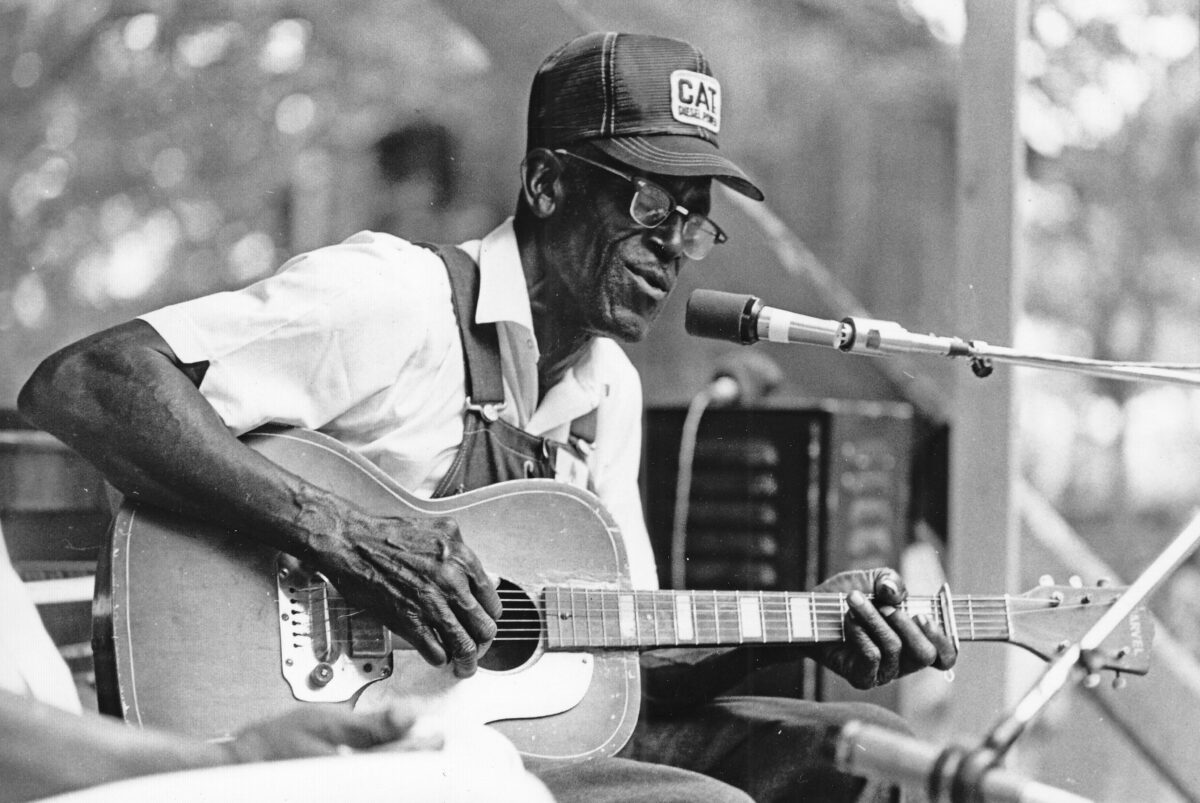
Guitar Slim
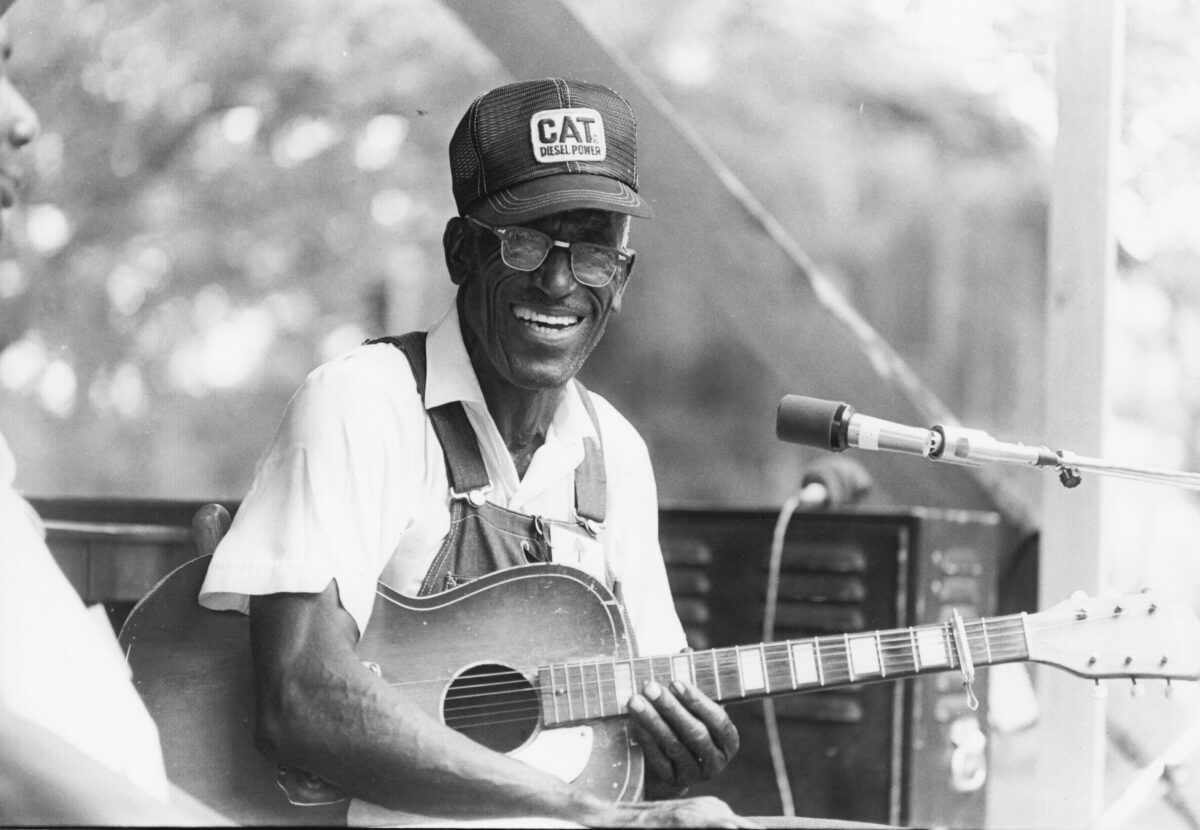
Guitar Slim
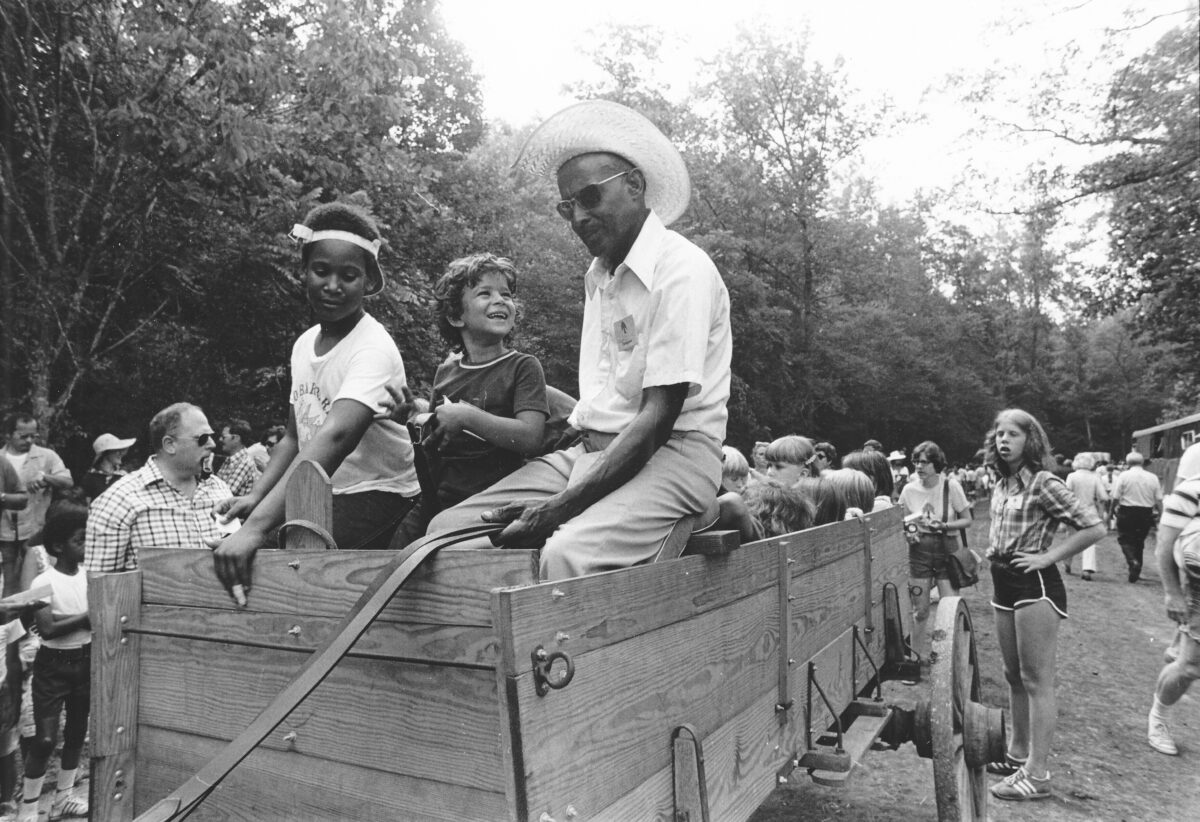
Enjoying a Hayride
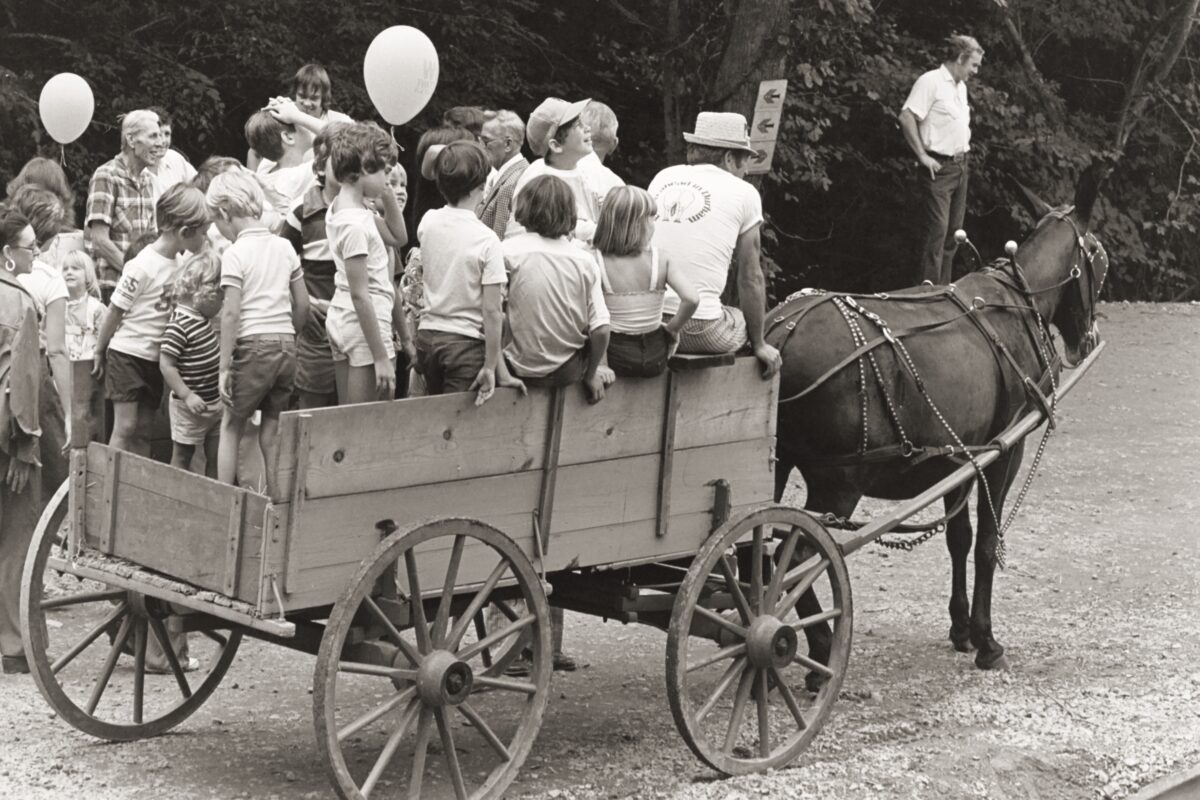
Enjoying a Hayride
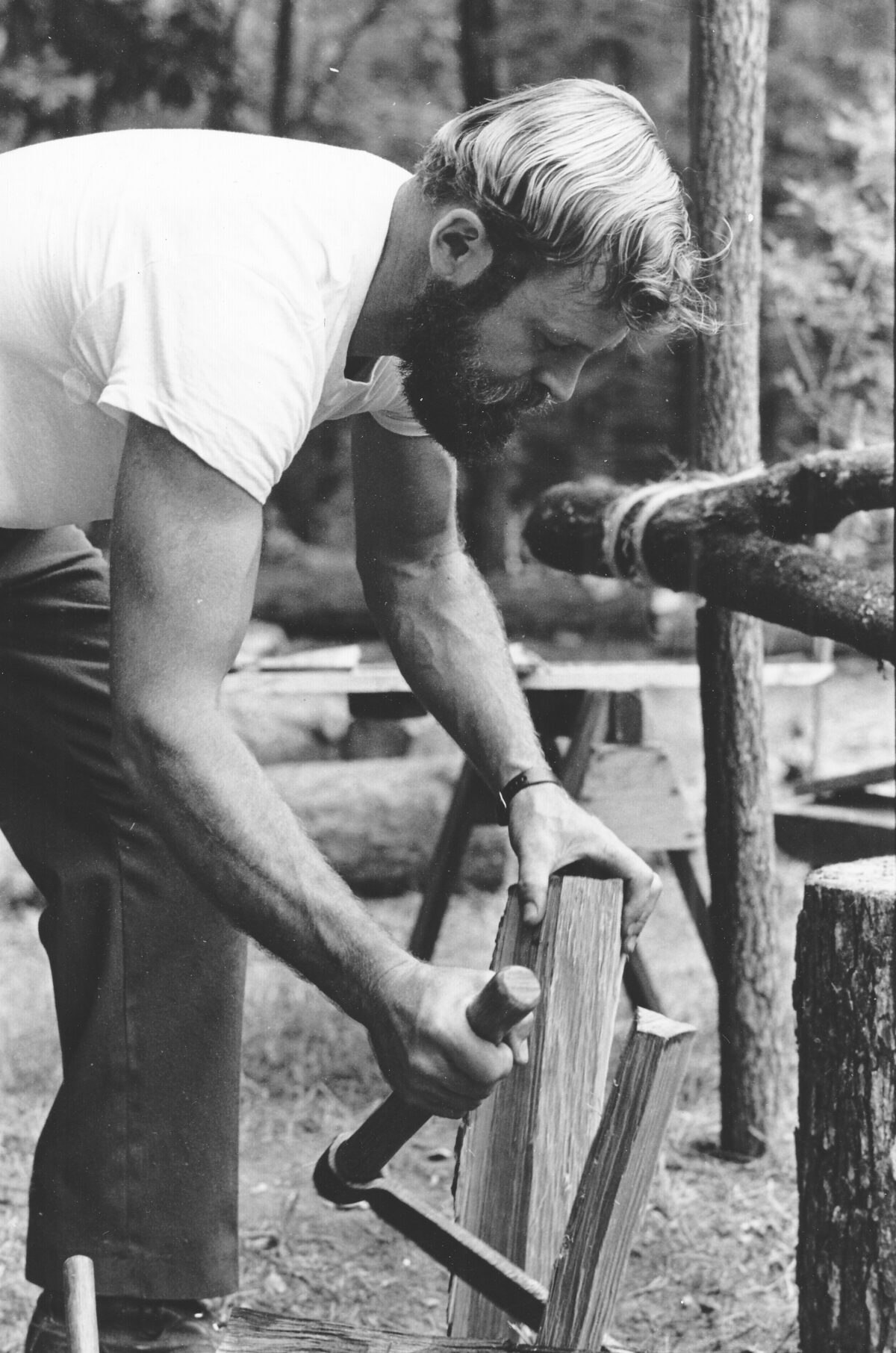
Peter Gott, Log Cabin Construction
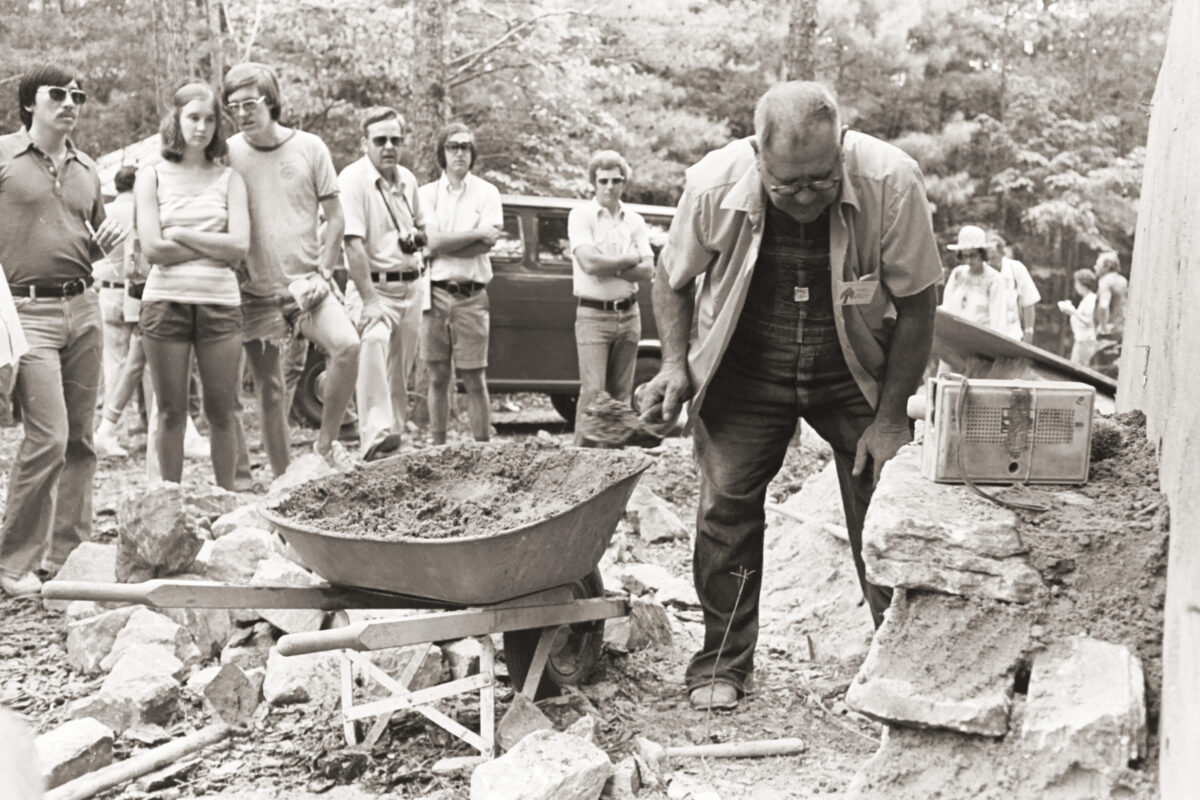
James Worthy, Stone Mason and Harmonica Master
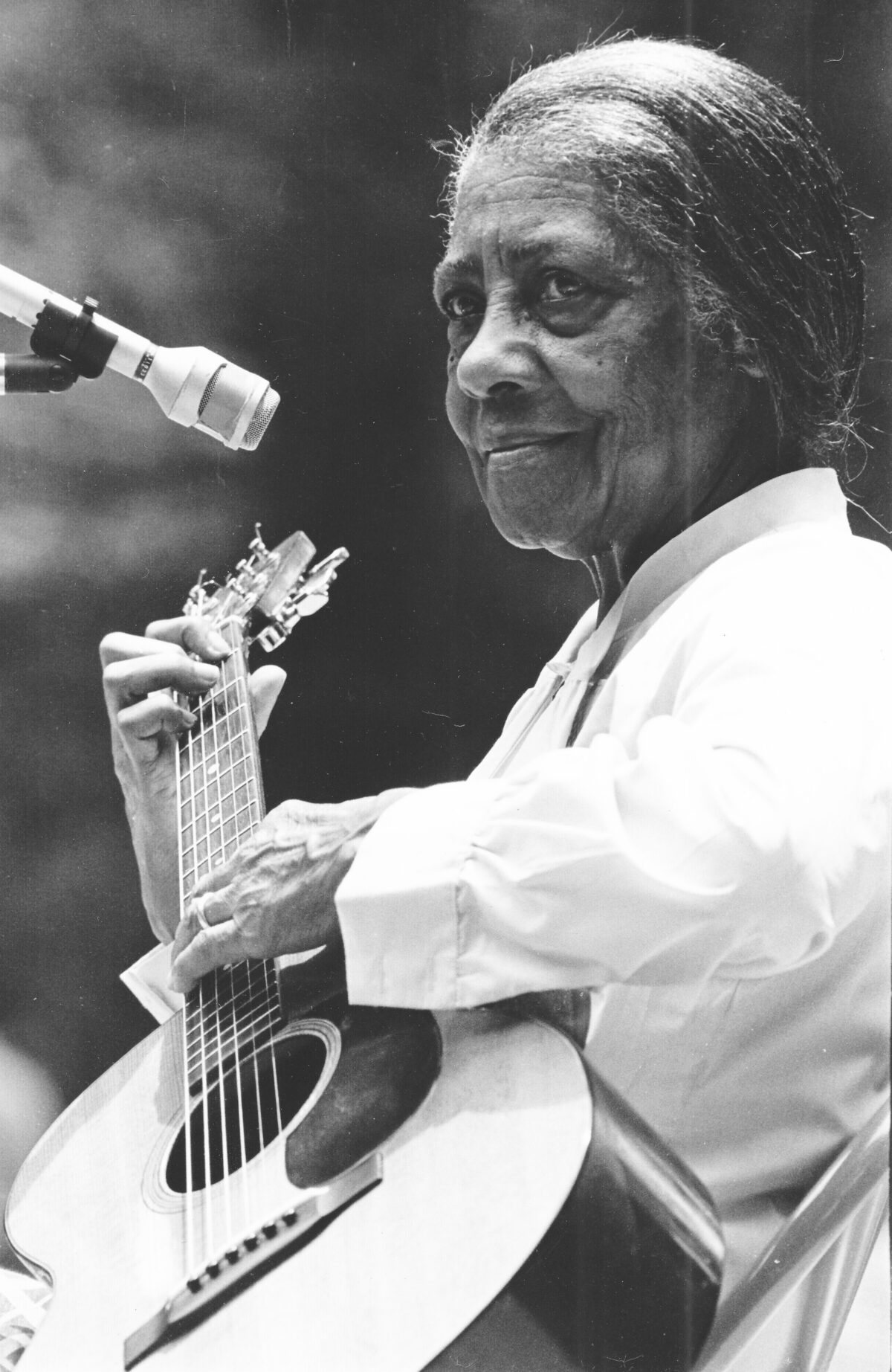
Elizabeth Cotten
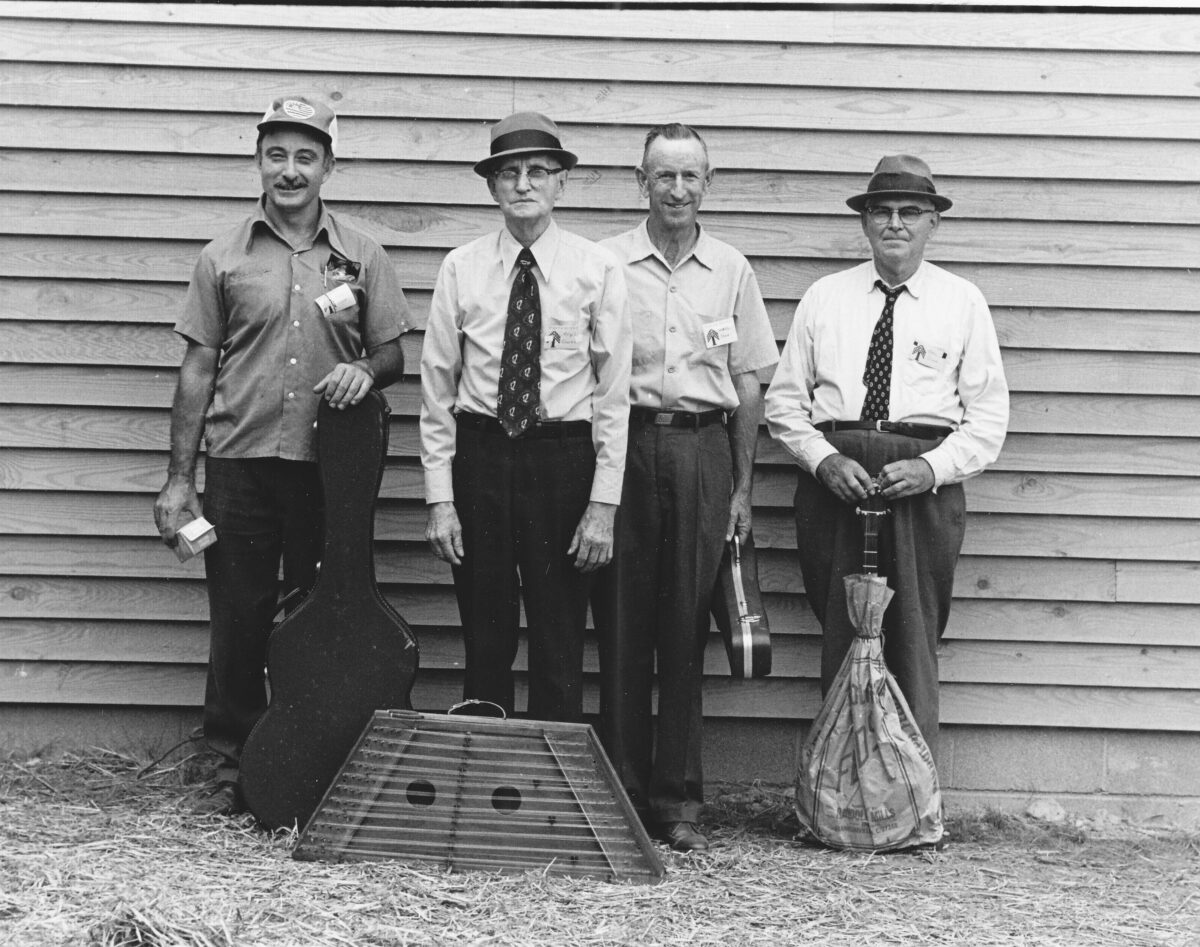
Fred Olson (Guitar), Virgil Craven (Hammered Dulcimer), Lauchlin Shaw (Fiddle), and Glenn Glass (Banjo)
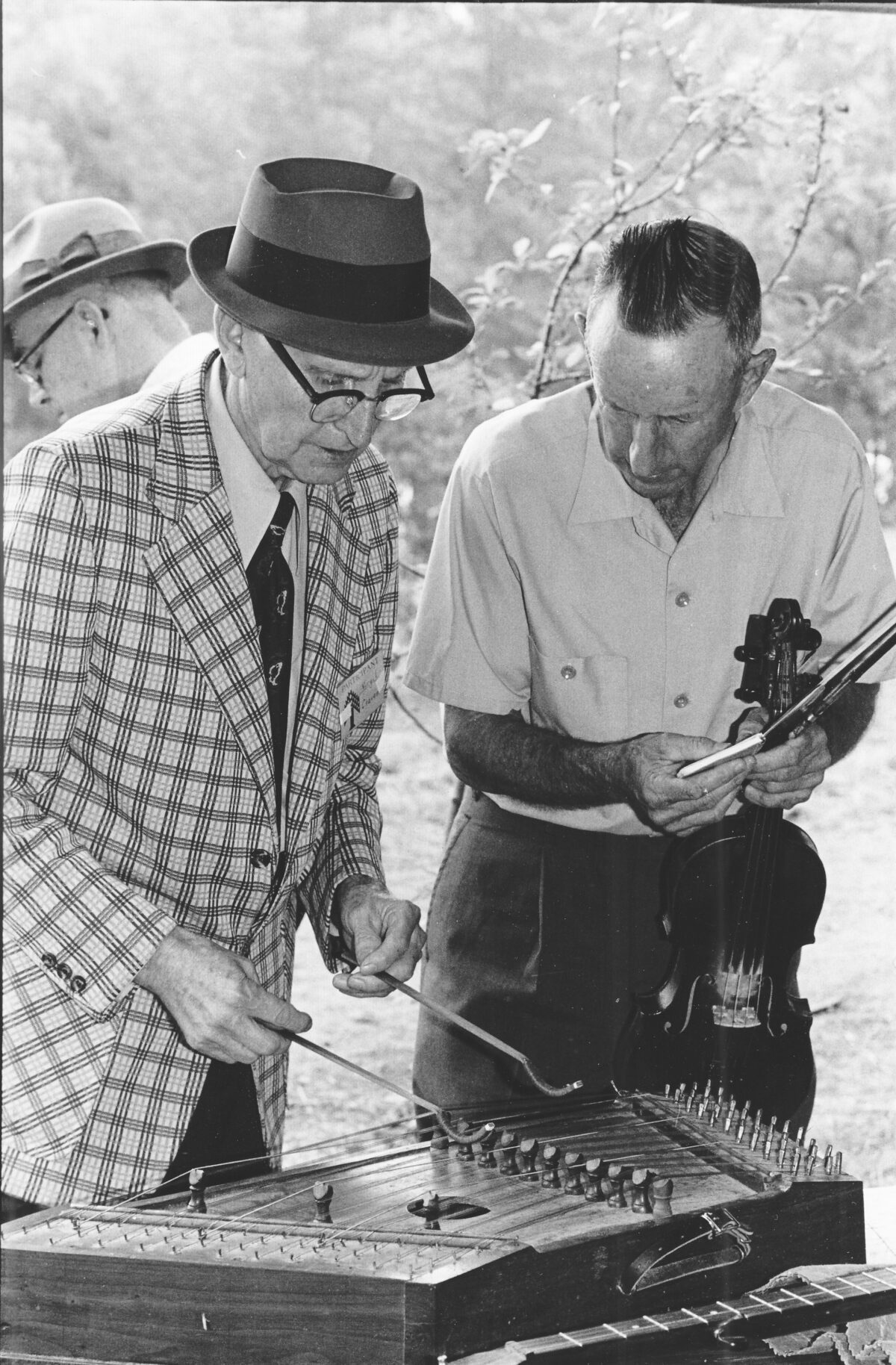
Virgil Craven (Hammered Dulcimer) and Lauchlin Shaw (Fiddle)
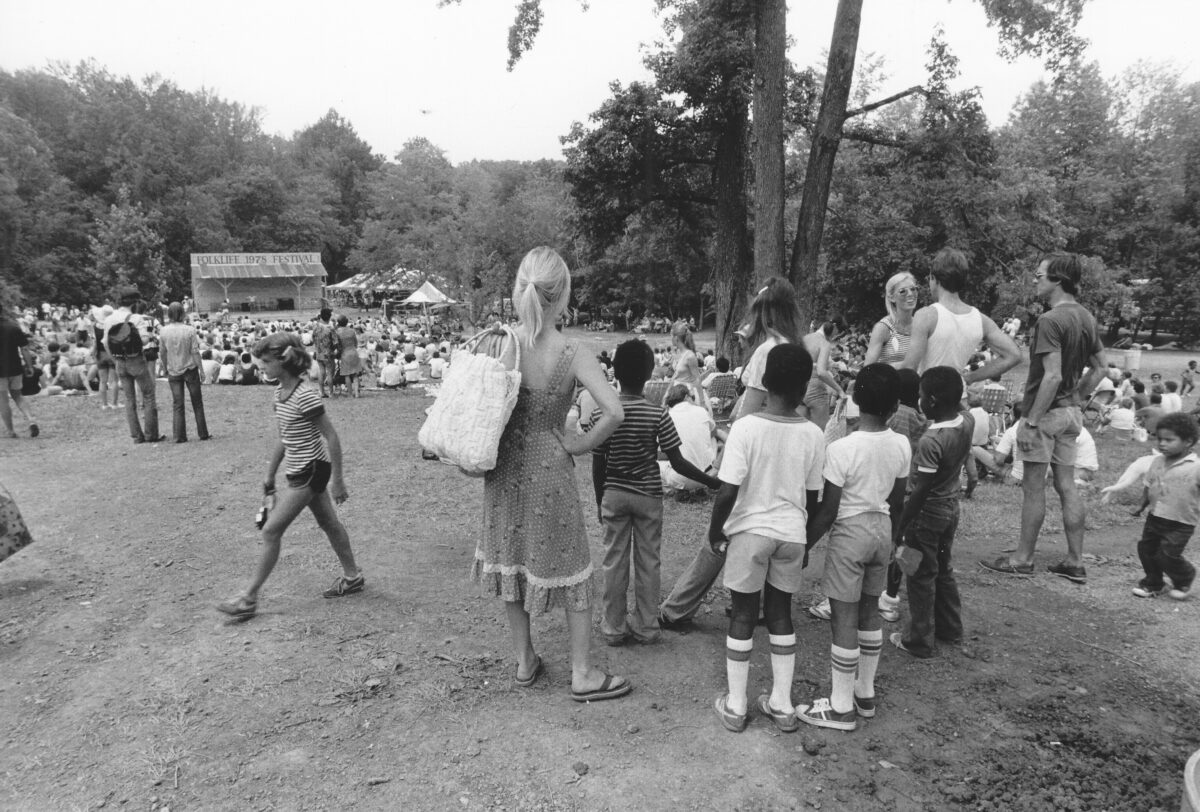
Long View to the Main Stage
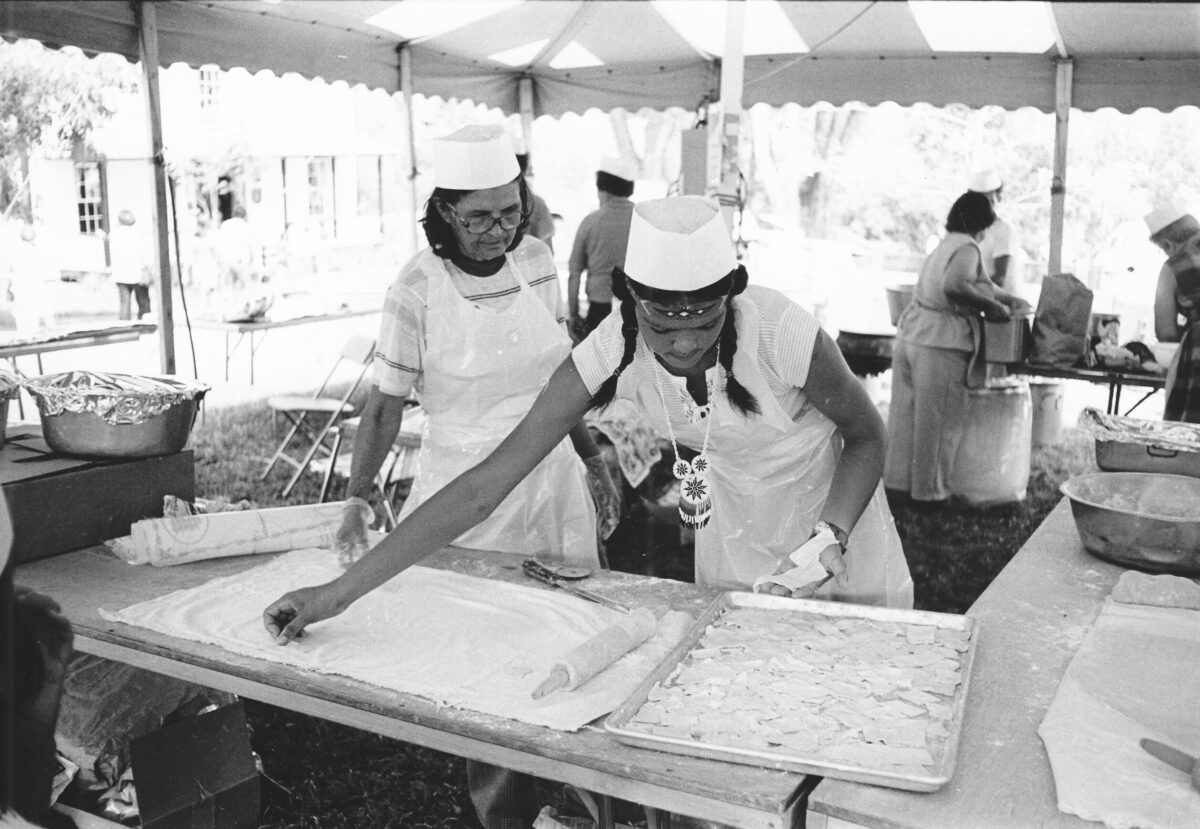
Making Lumbee Chicken and Dumplings
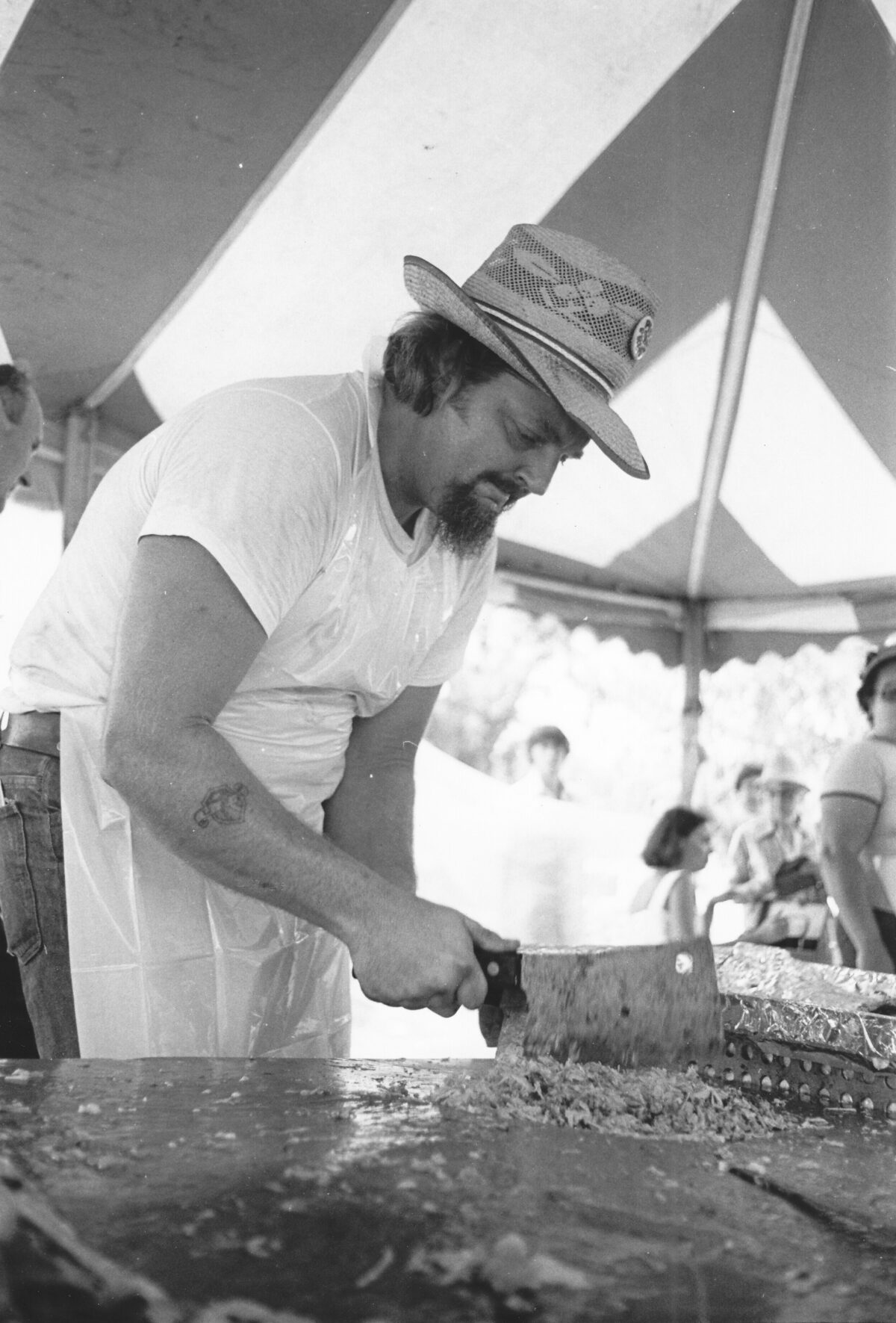
Chopping BBQ
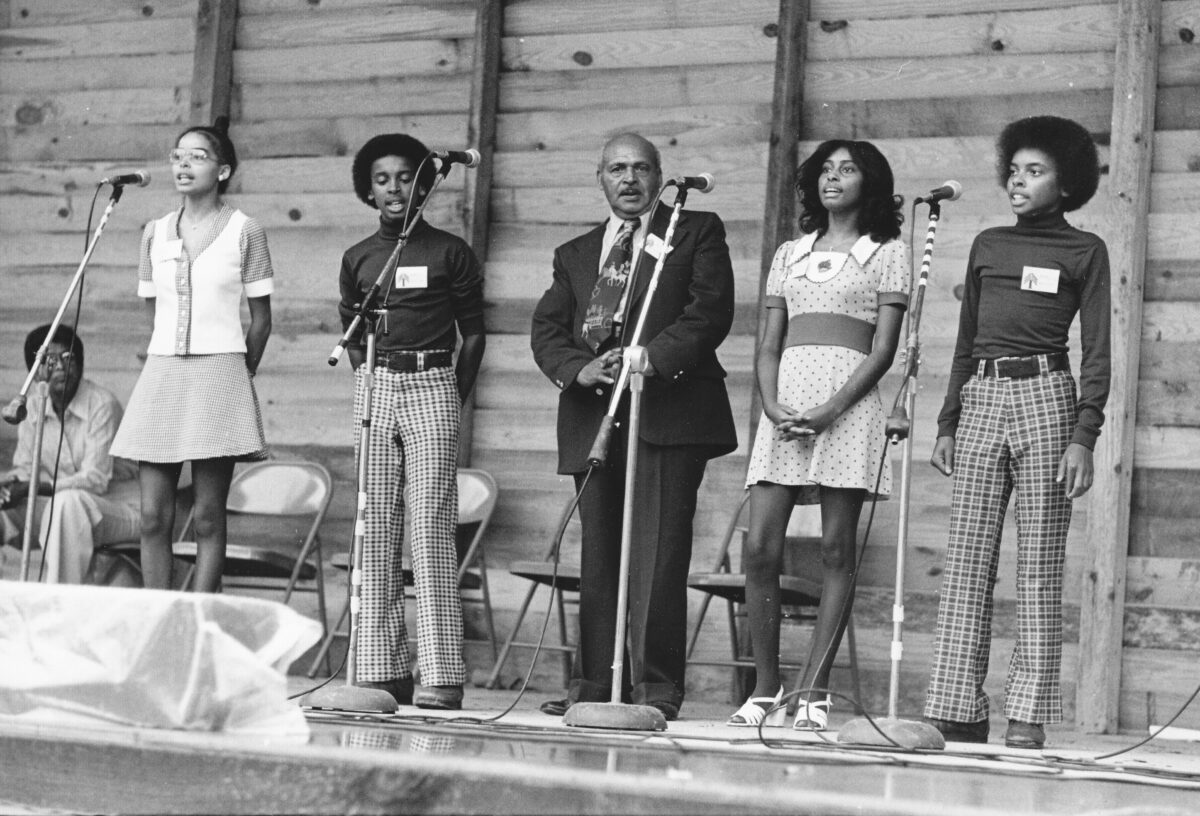
The Machen Family Singers
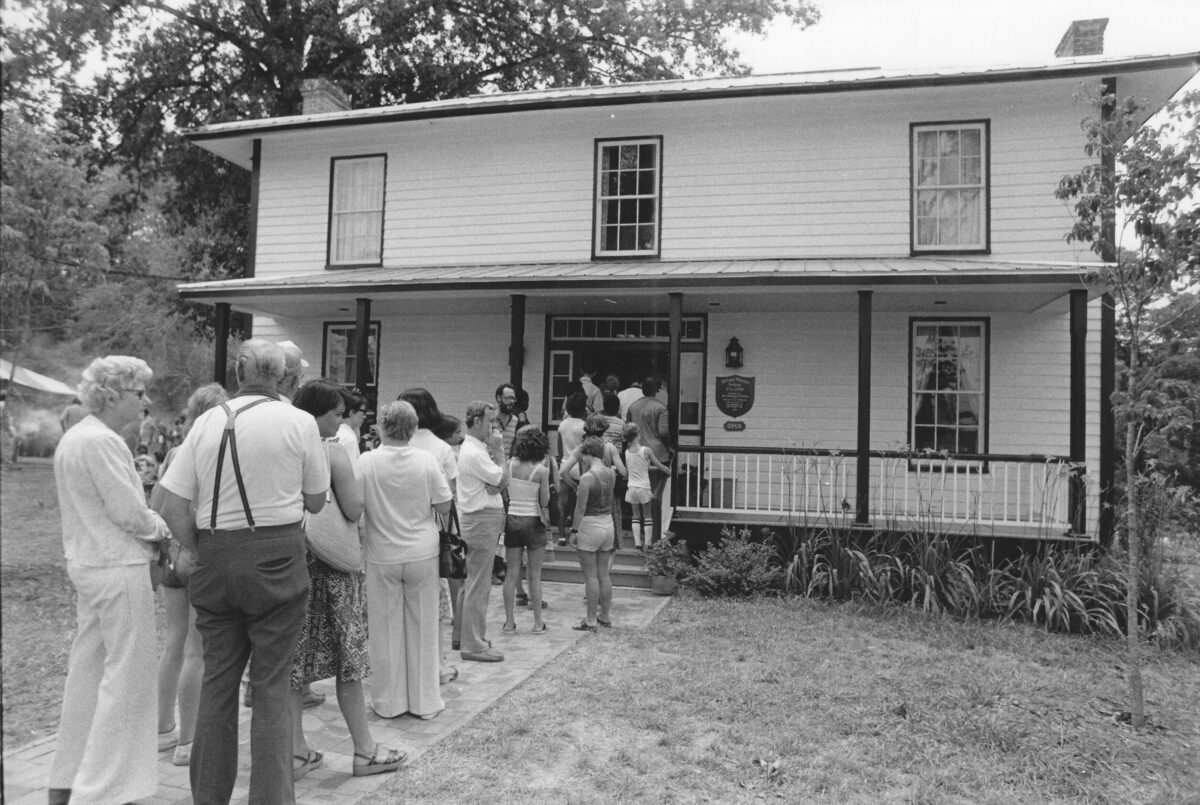
Mangum House at West Point
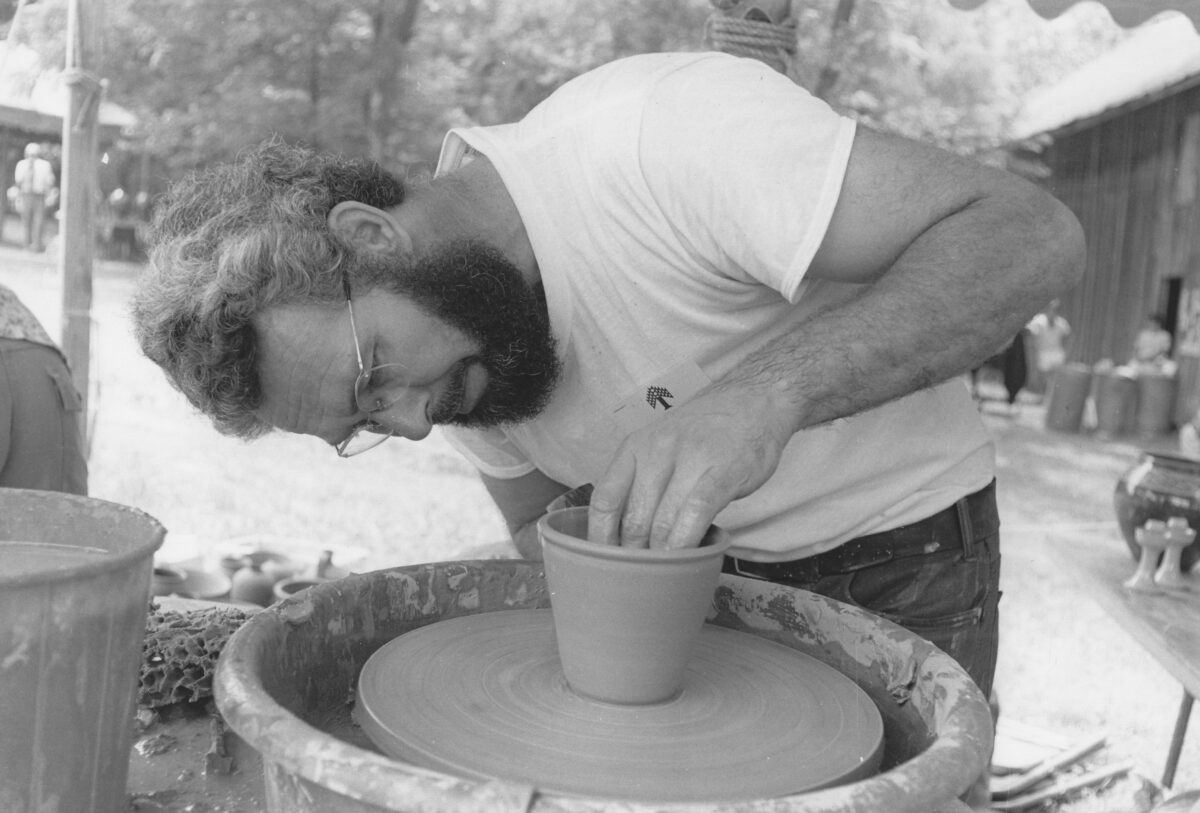
Vernon Owens, Jugtown Pottery
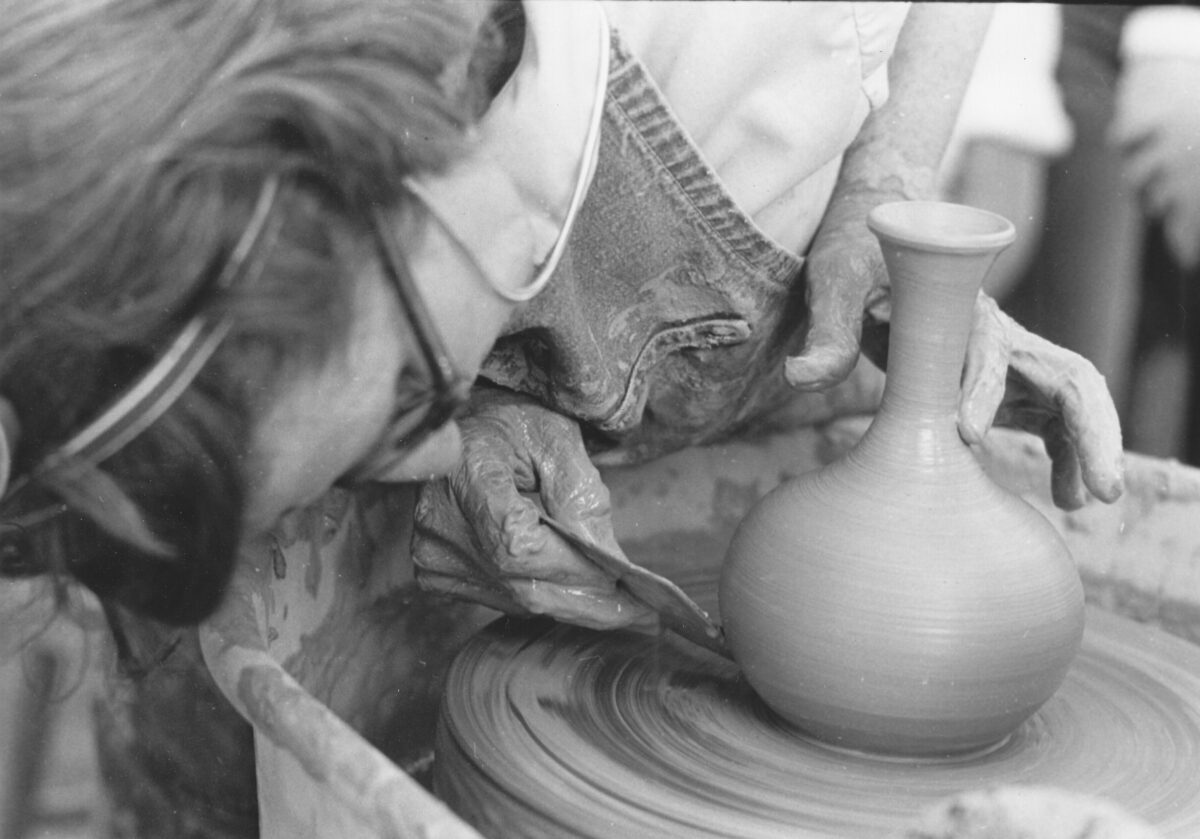
Nancy Sweezy, Jugtown Pottery
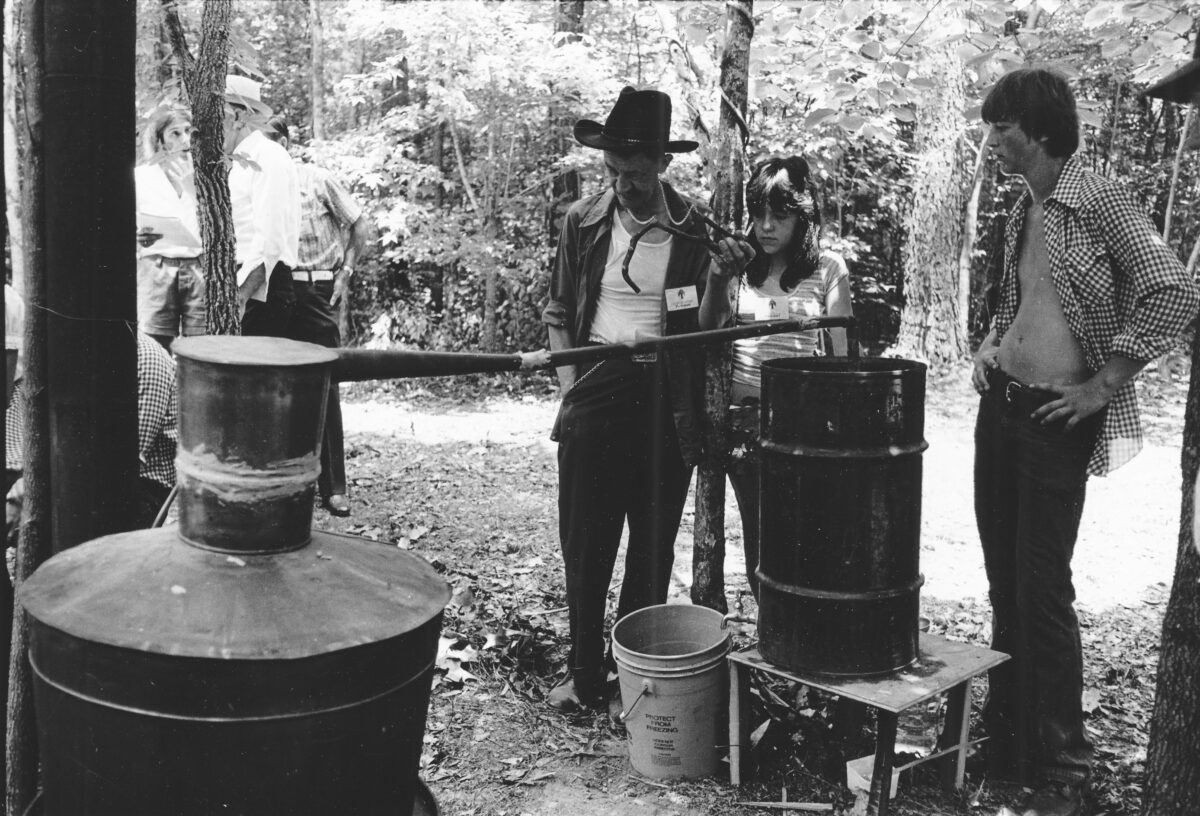
Willard Watson's Moonshine Still
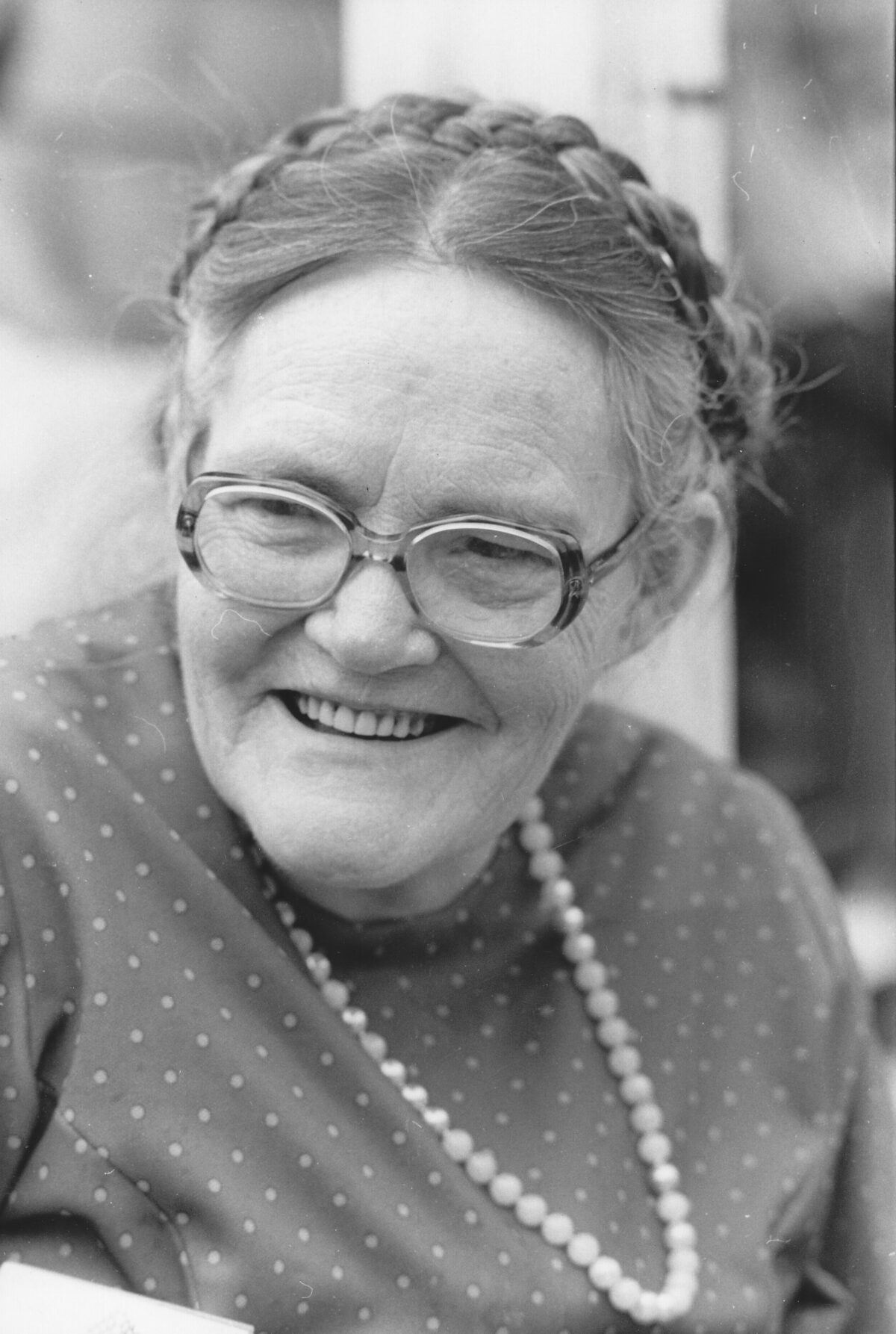
Ora Watson
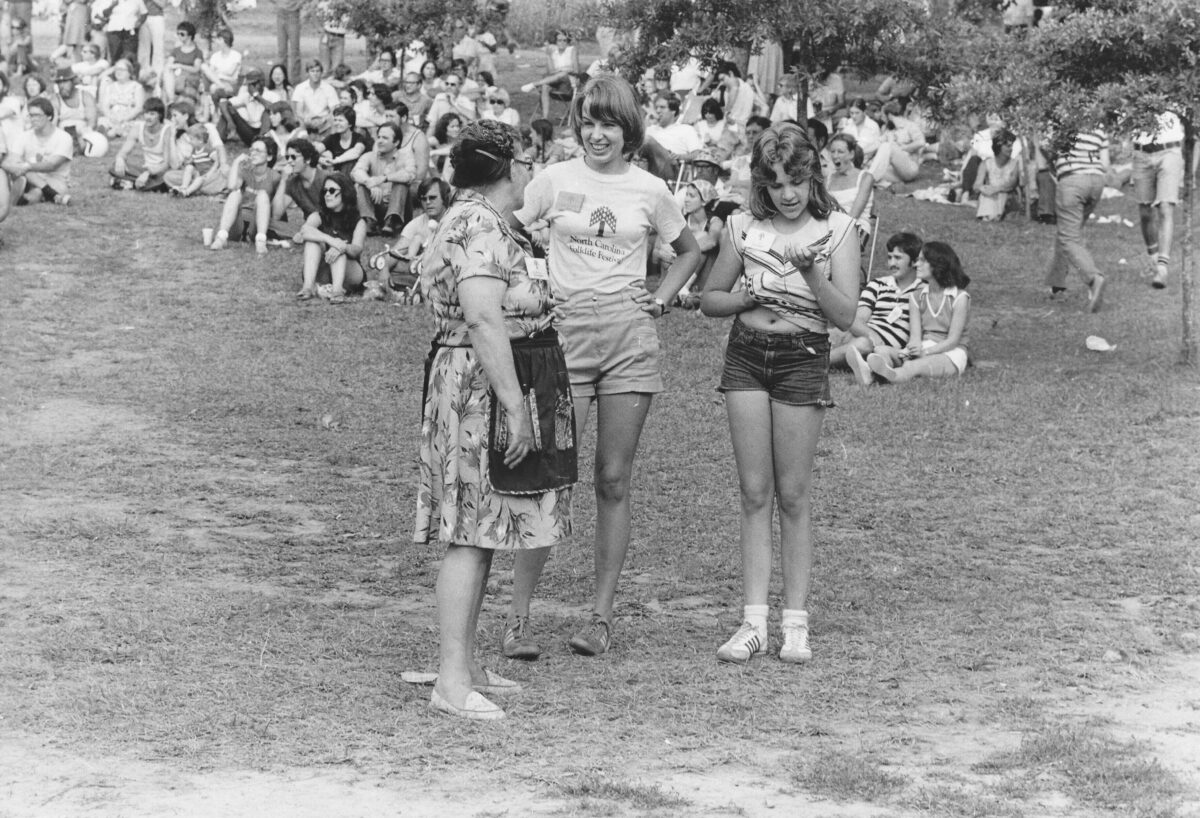
Ora Watson, Lanier Rand, and Polly Watson (Ora's Granddaughter)
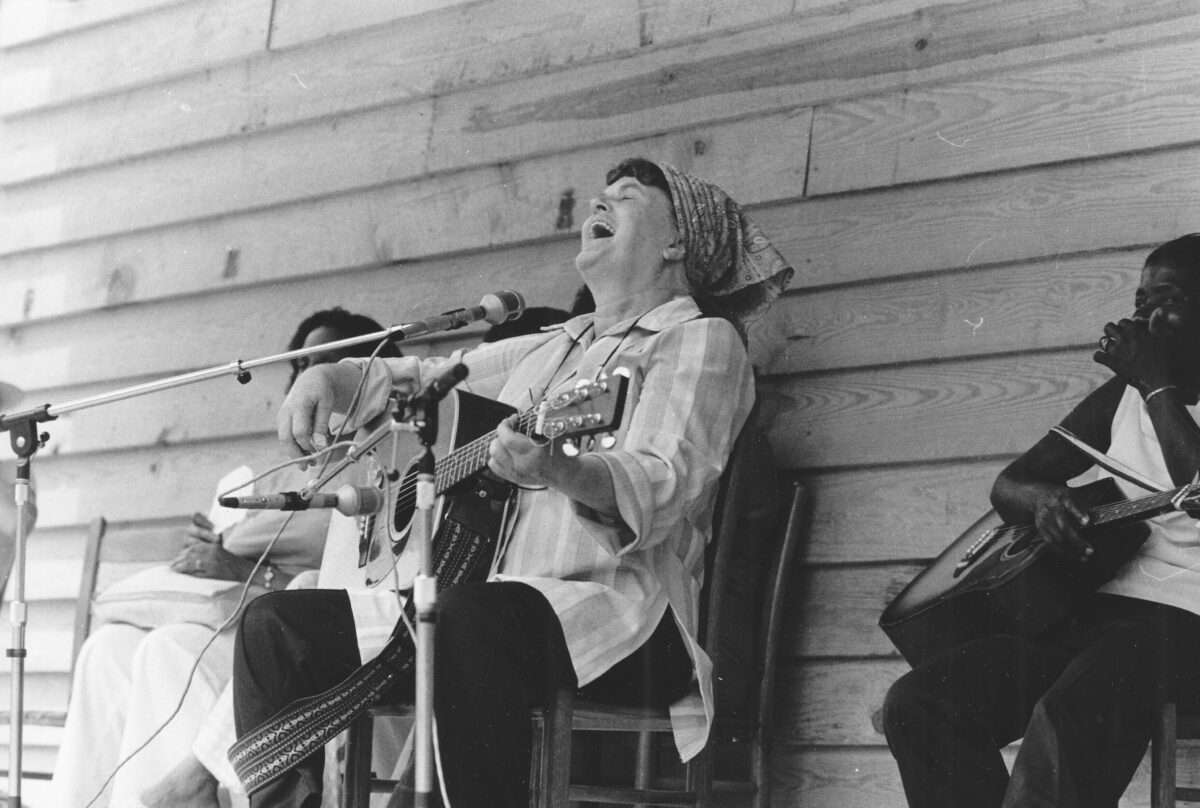
Ola Belle Reed
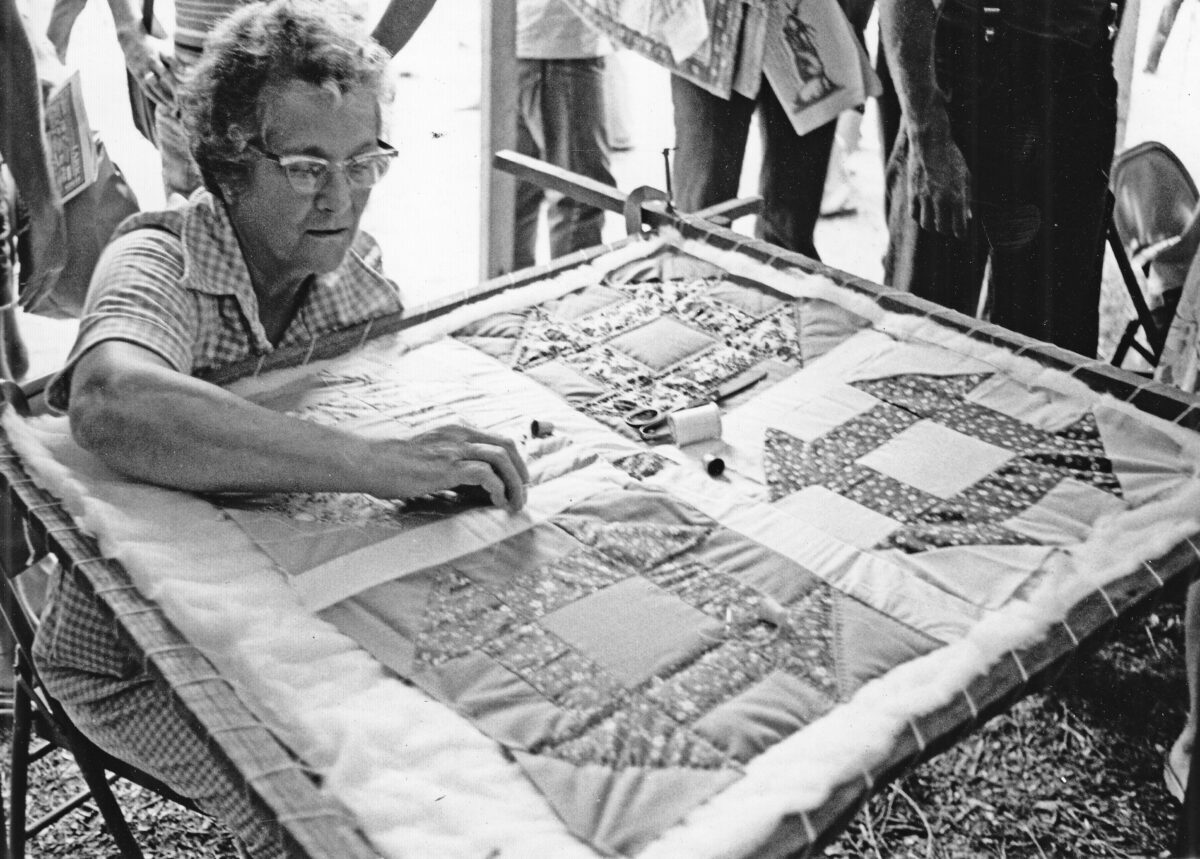
Quilting
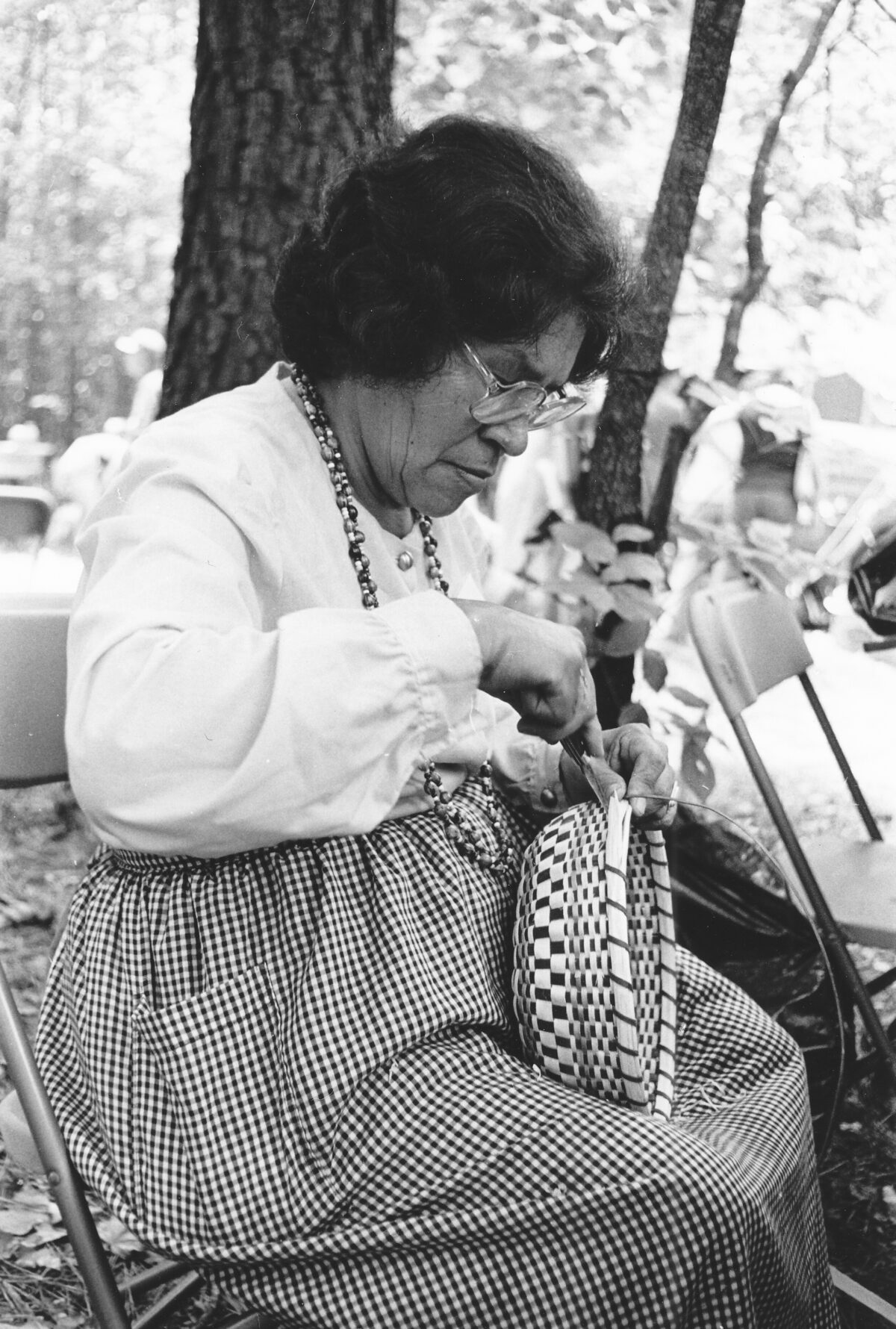
Juanita Wolf, Cherokee Basket Weaving
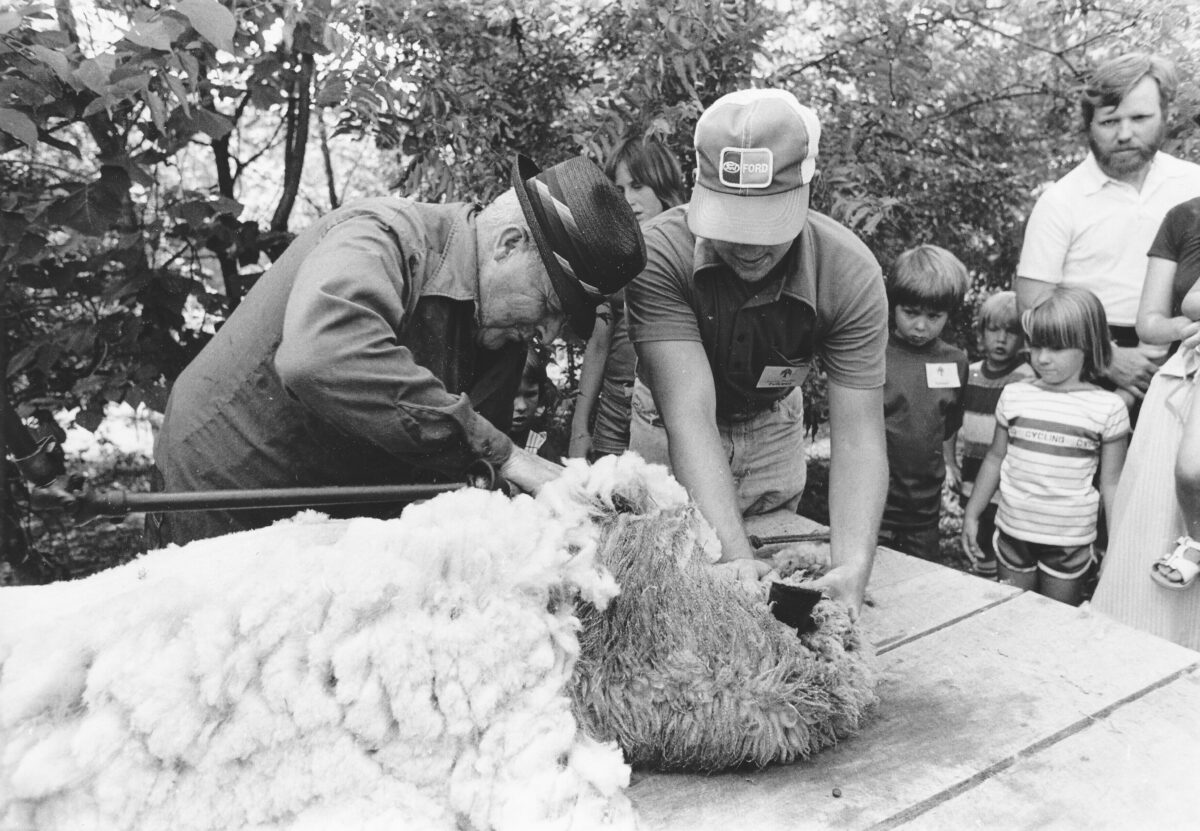
Sheep Shearing with Hand-Cranked Shears
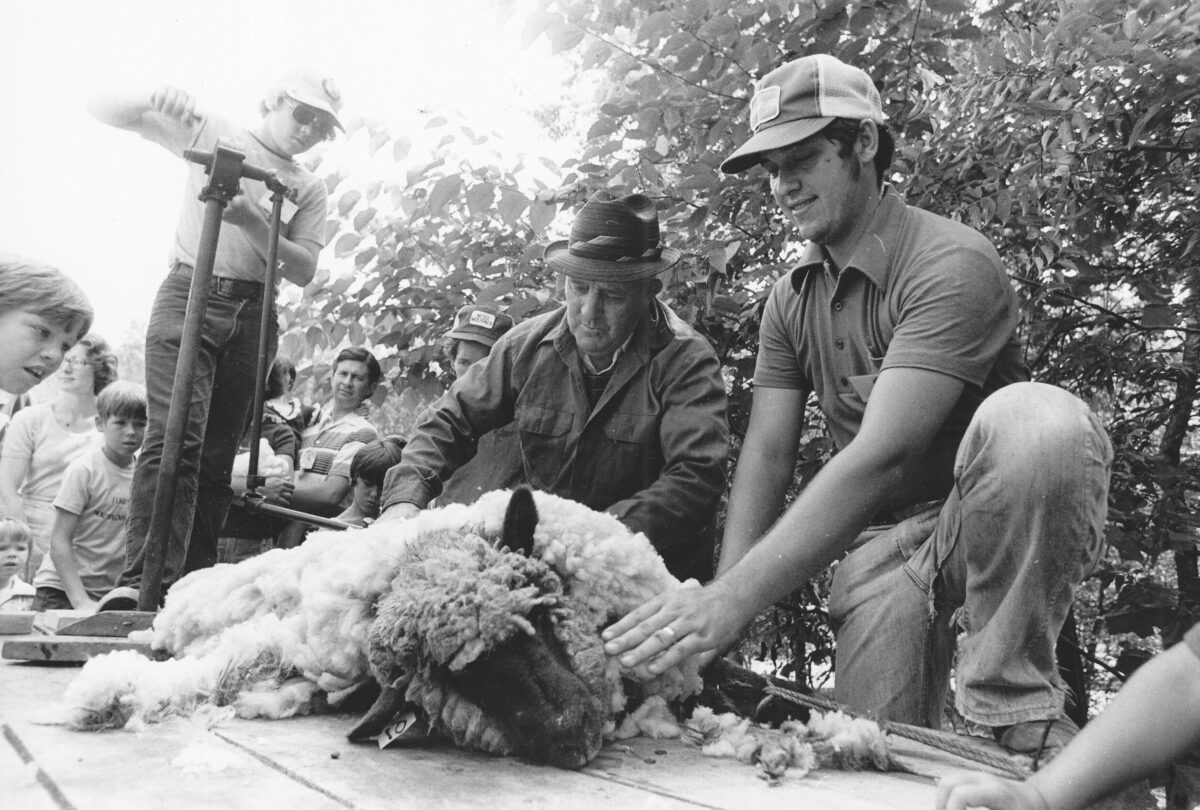
Sheep Shearing with Hand-Cranked Shears
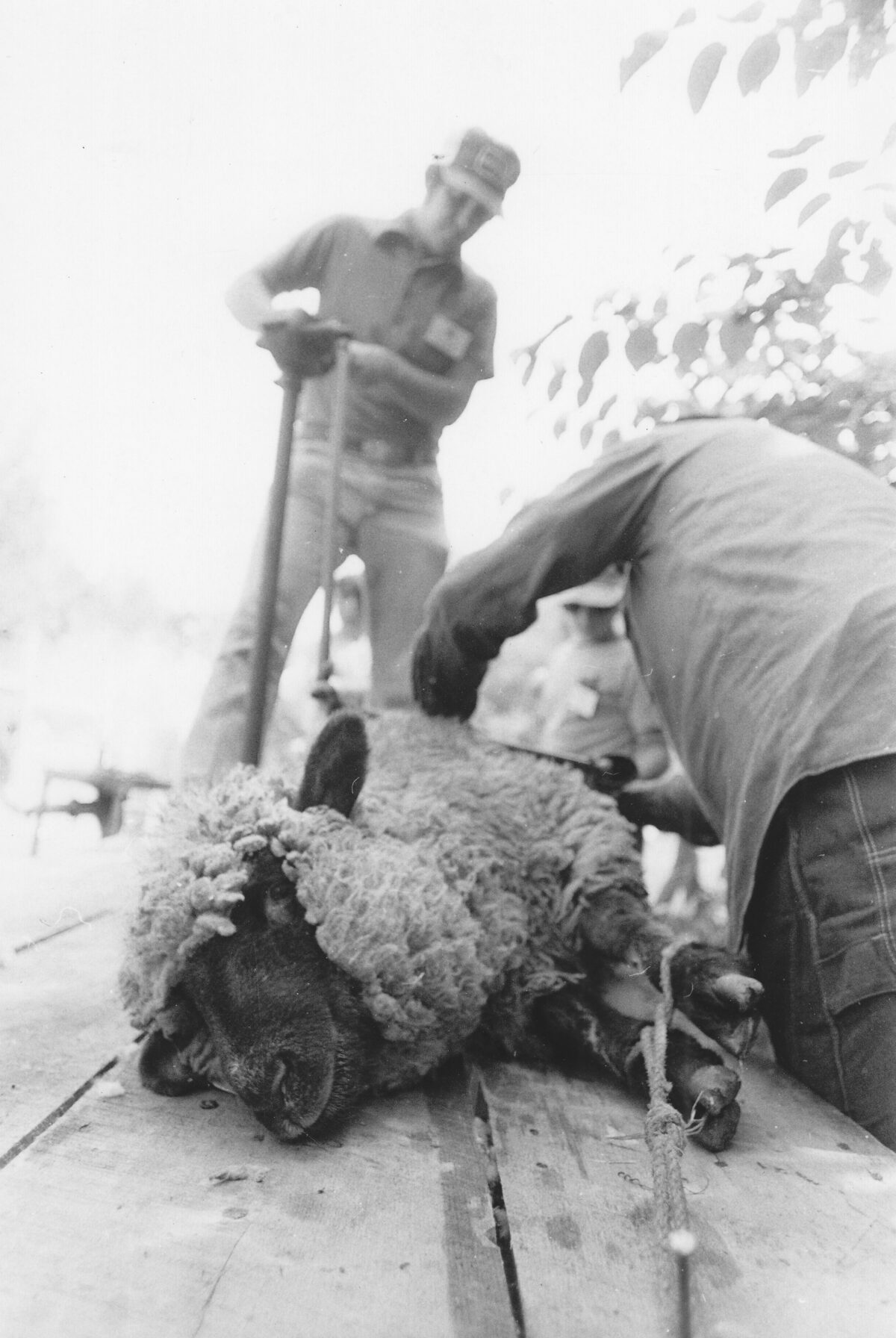
Sheep Shearing with Hand-Cranked Shears
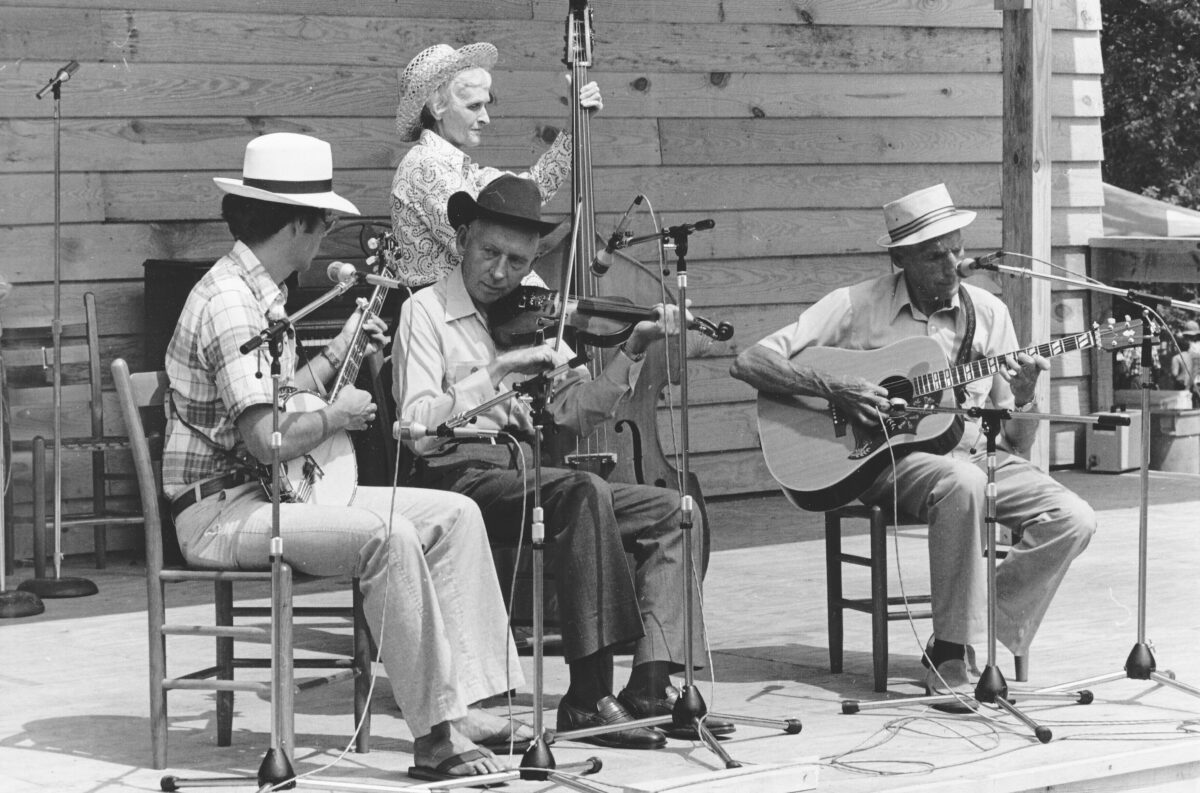
Smathers Family Band, with David Holt on Banjo
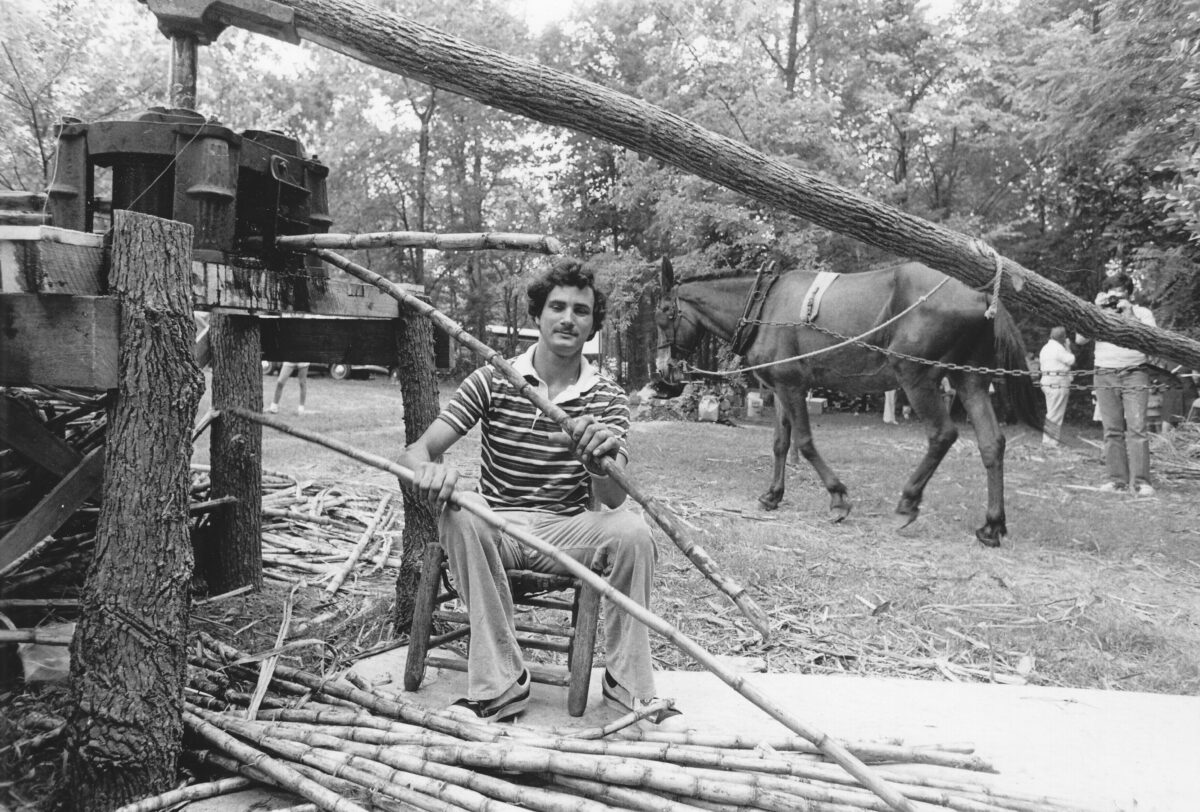
Feeding the Sorghum Mill
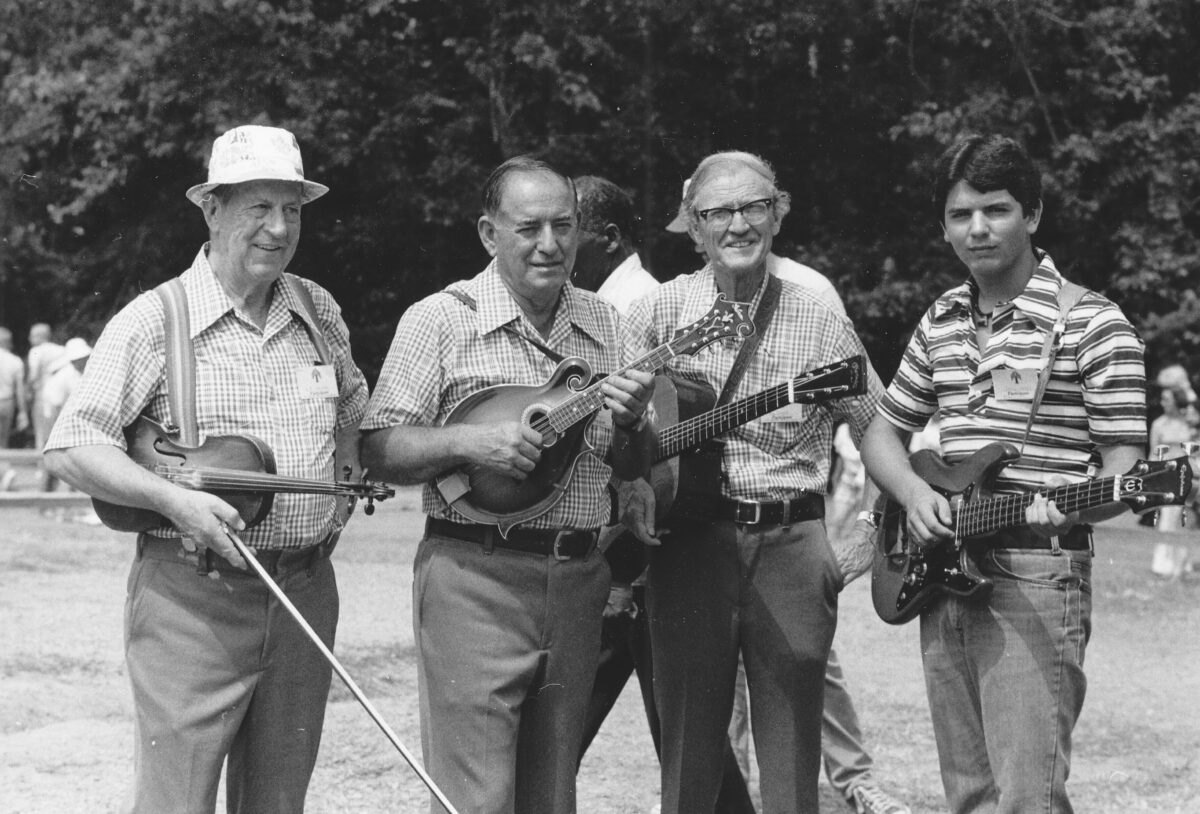
The Briarhoppers: Hank Warren (Fiddle), Arval Hogan (Mandolin), and "Whitey" Grant (Guitar)
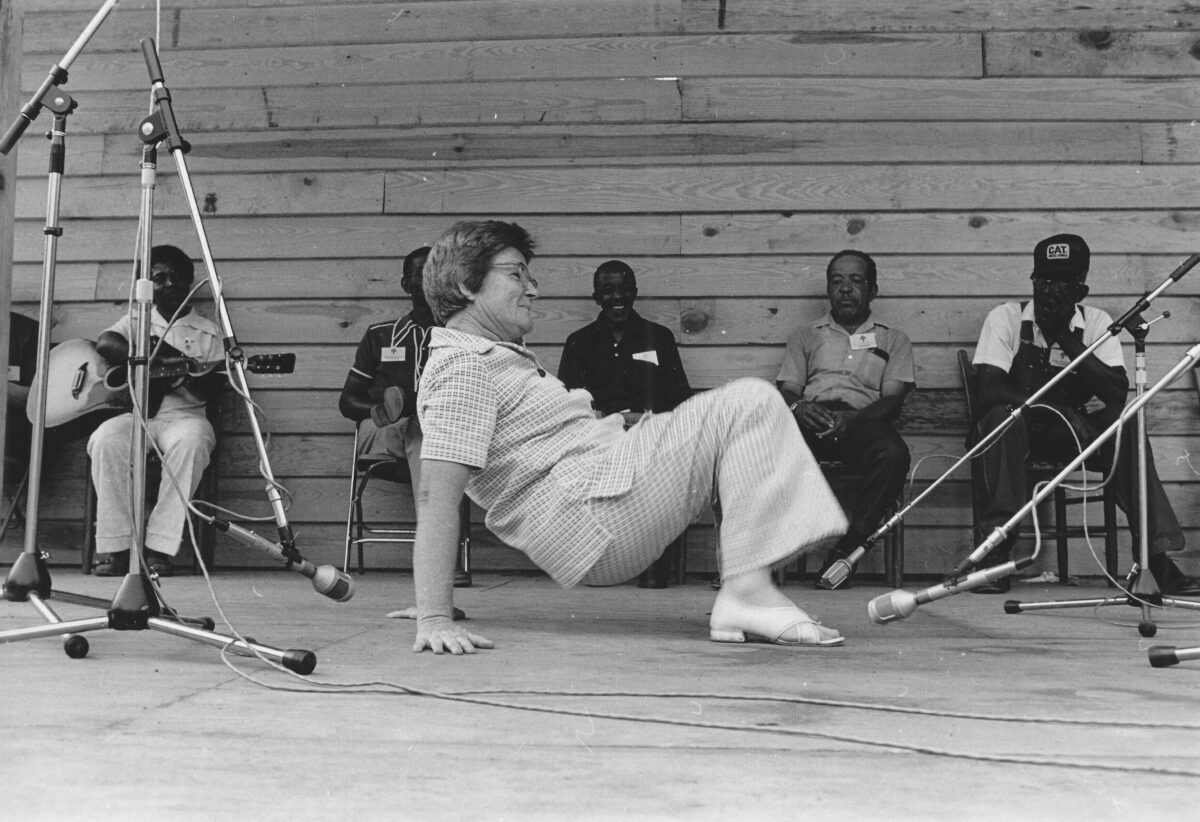
Mary Ellen Edwards, Performing the Rabbit Dance
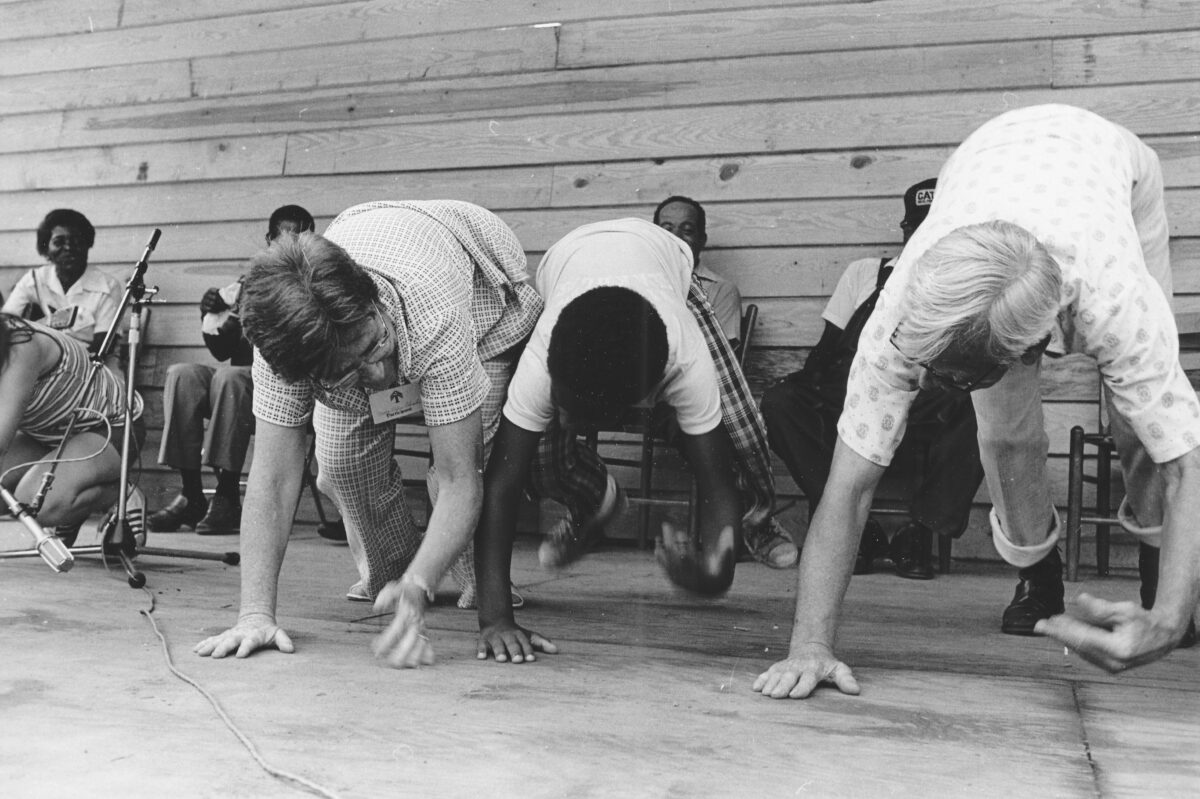
Teaching The Rabbit Dance
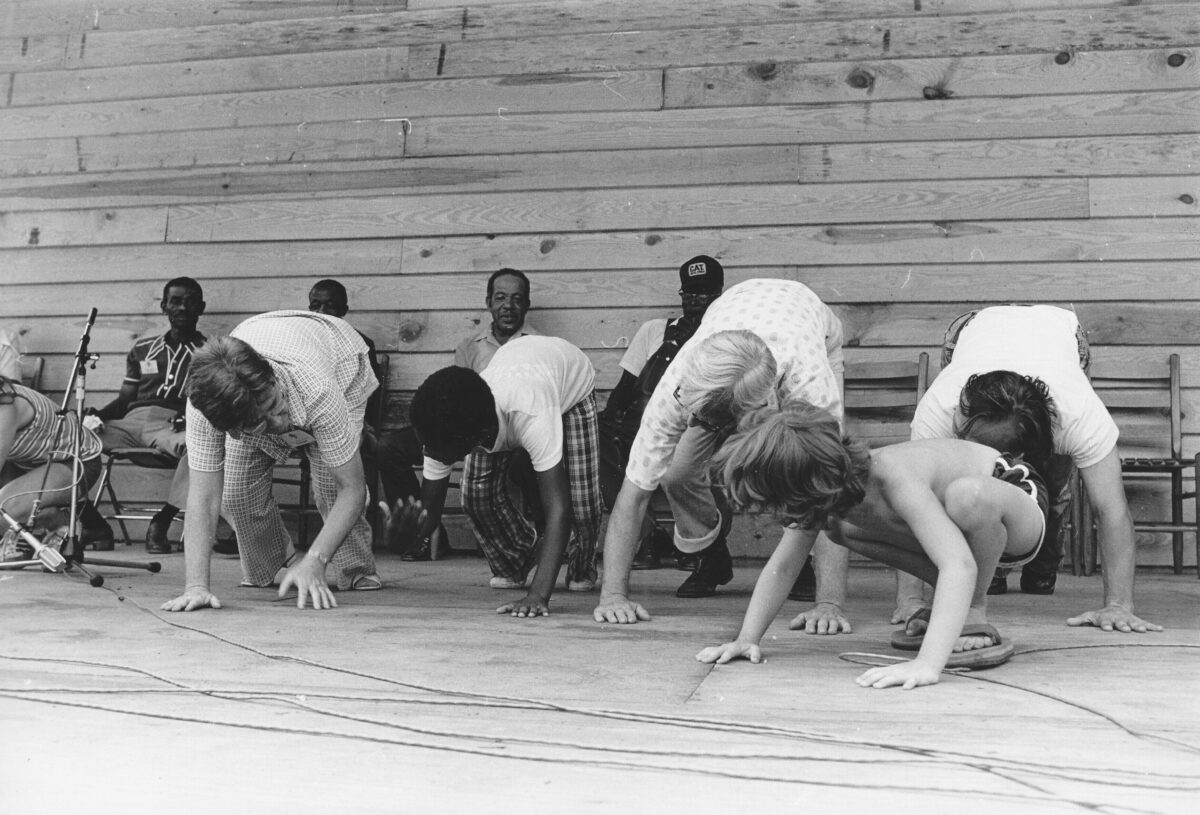
Teaching The Rabbit Dance
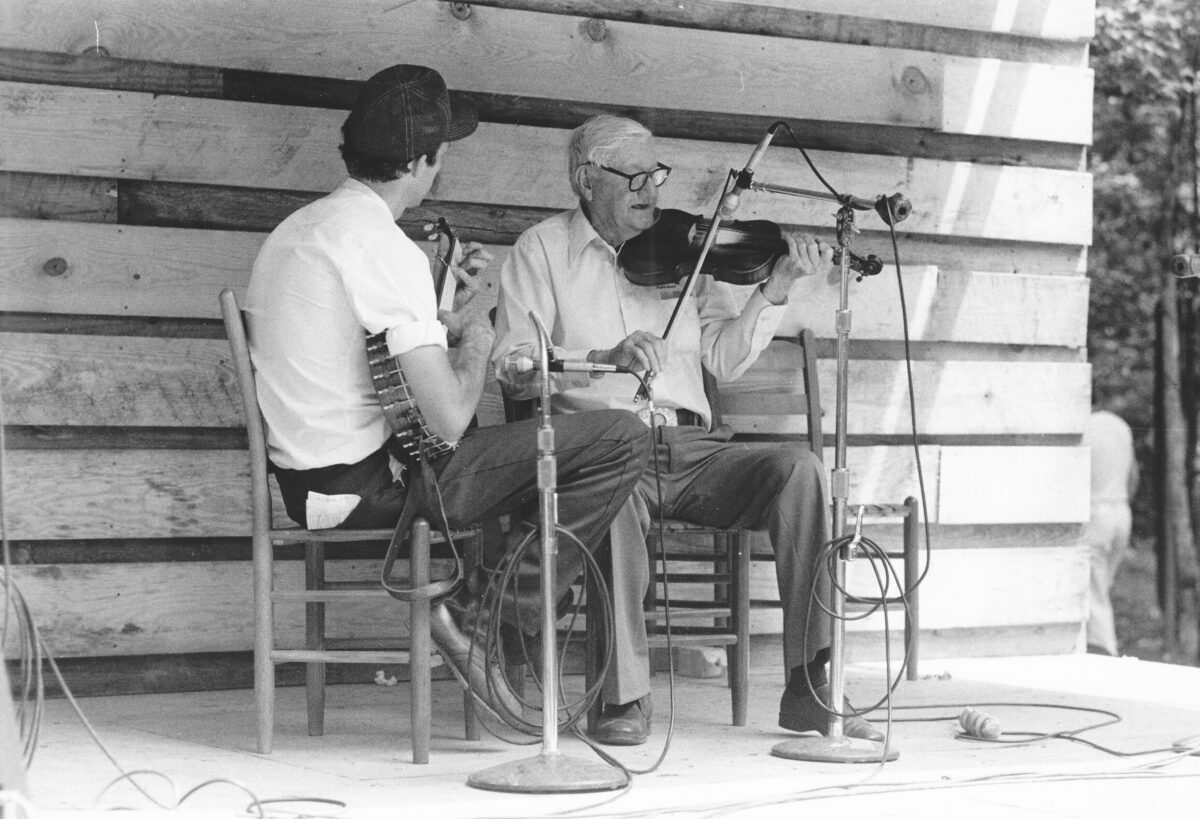
Blanton Owen and Tommy Jarrell
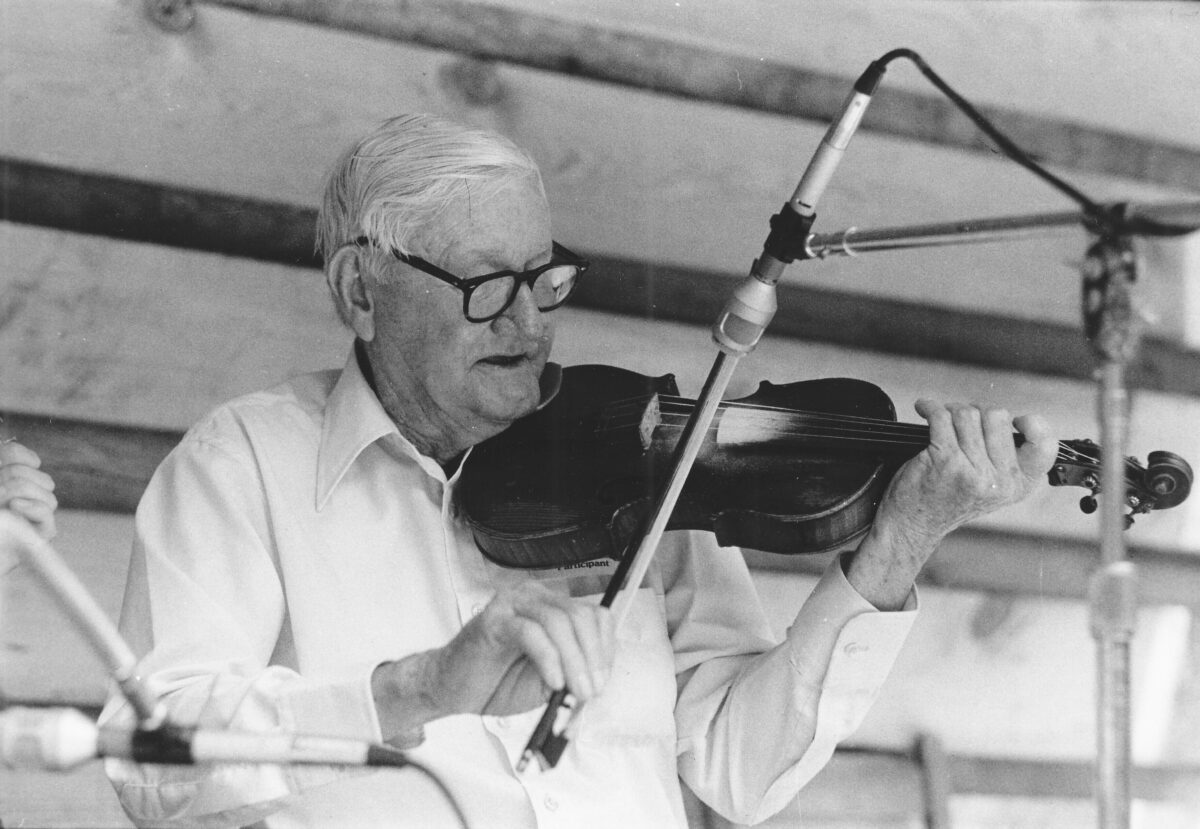
Tommy Jarrell
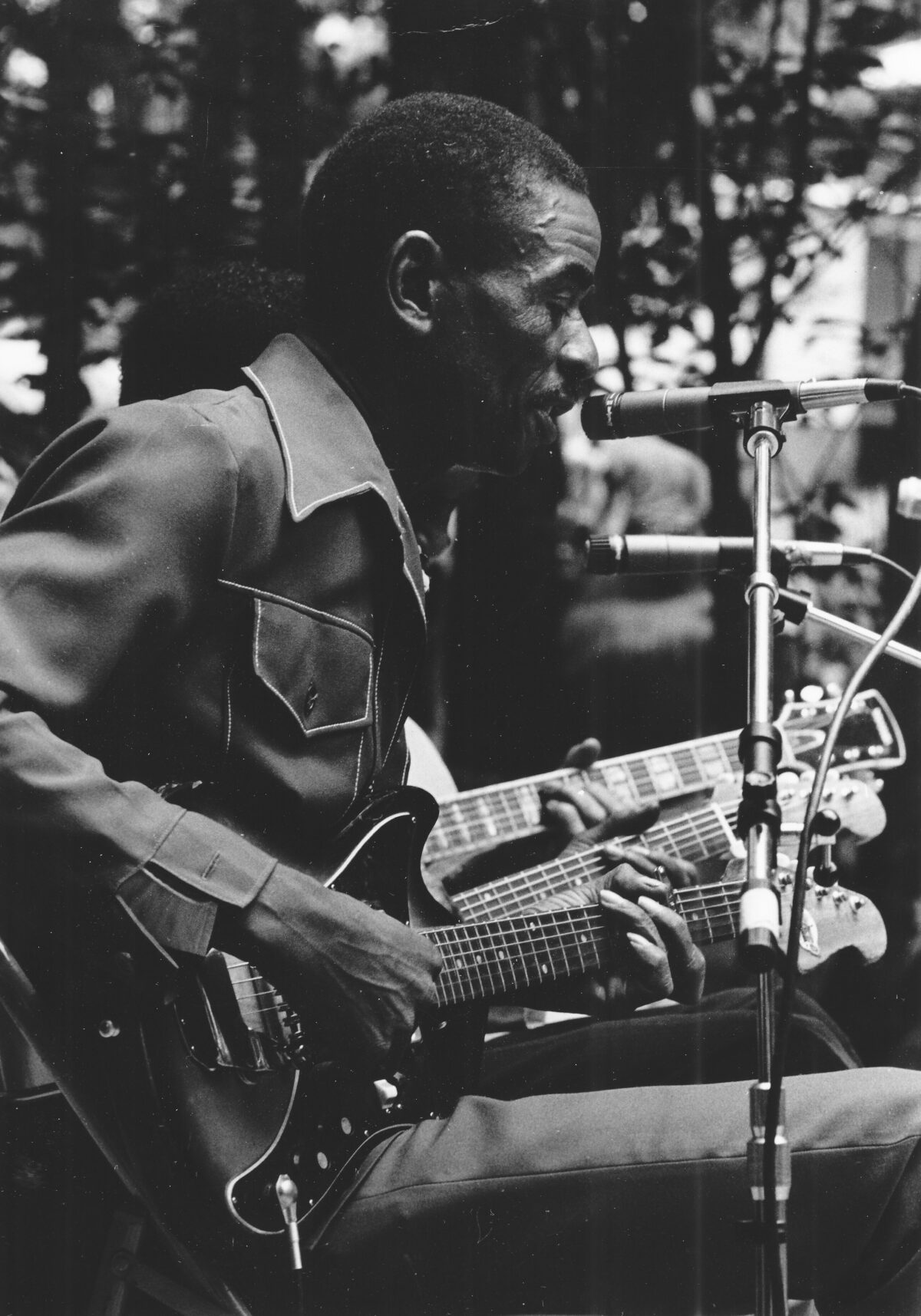
John Dee Holeman, Singing the Blues
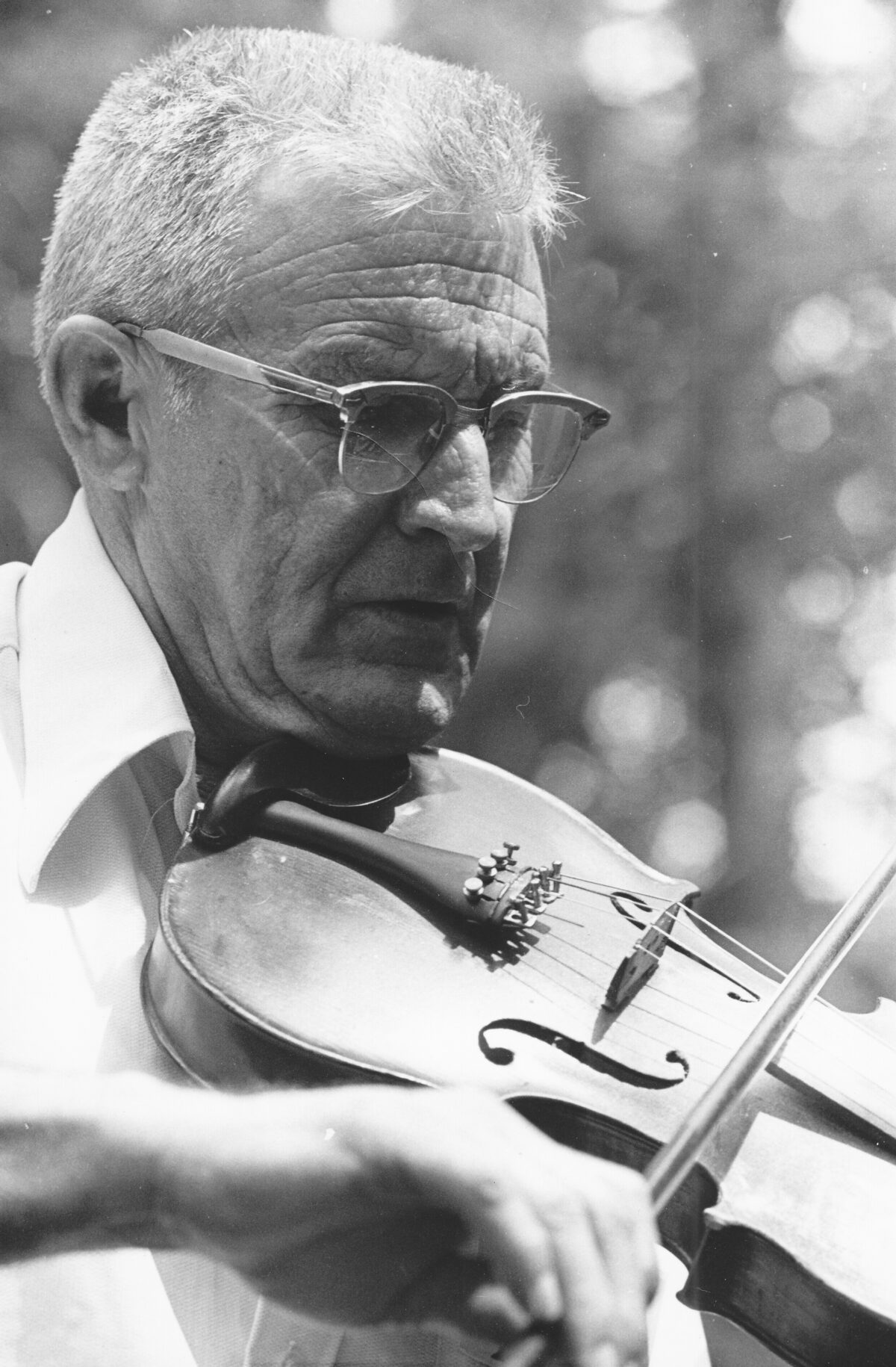
Ernest East
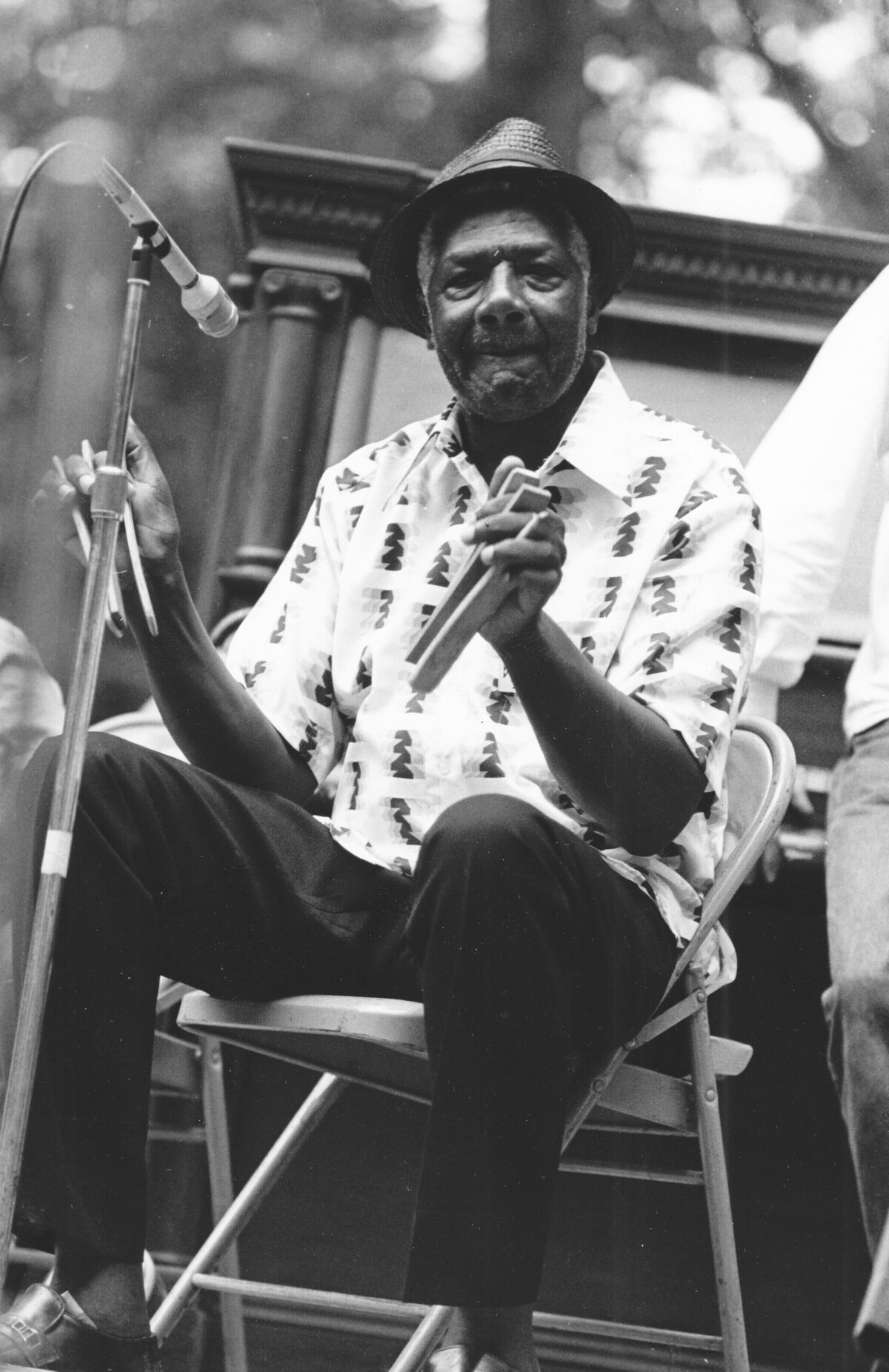
James Borders, Playing the Bones
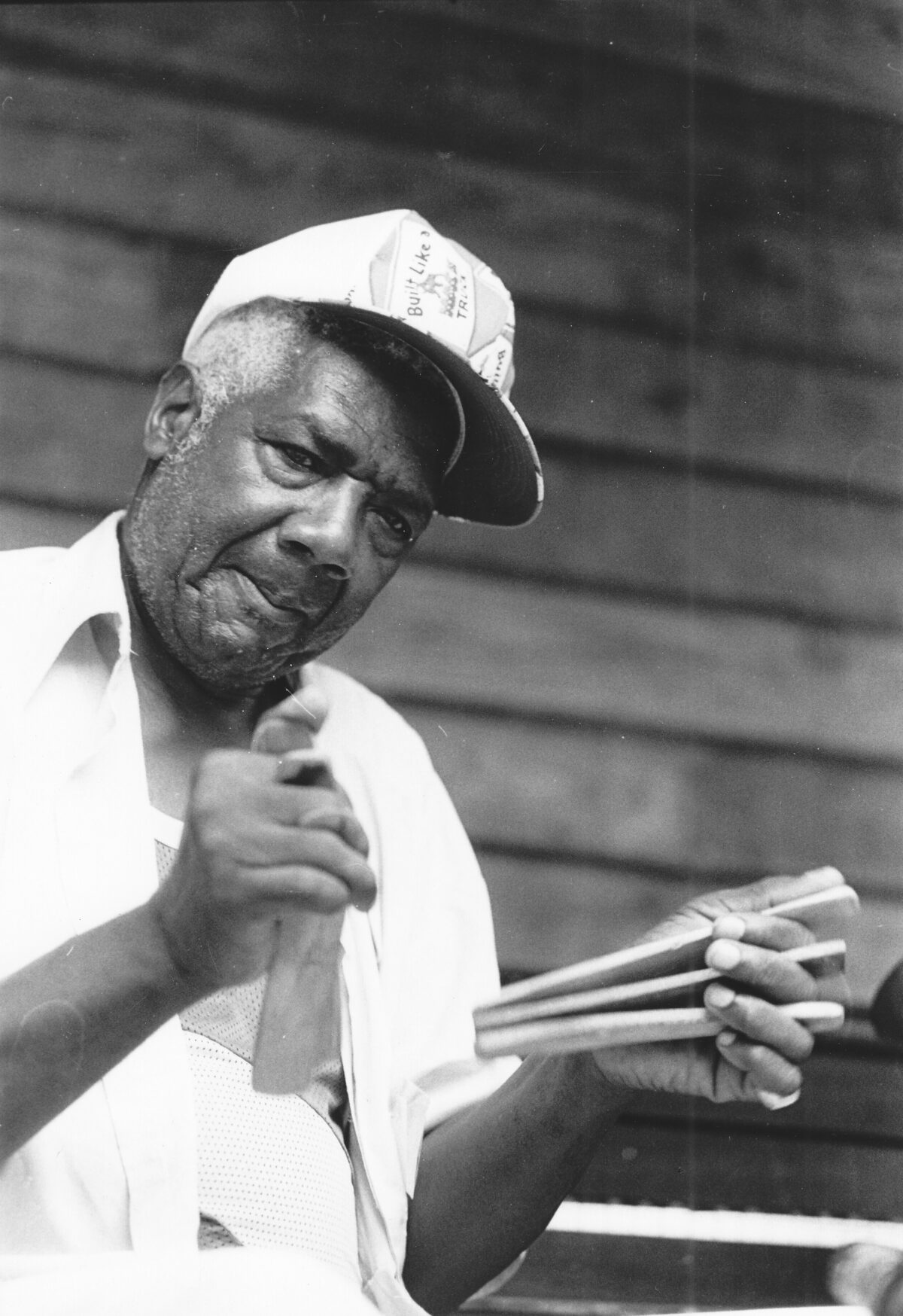
James Borders, Playing the Bones
Photos by Jim Sparks and Jim Thornton, from the Durham Herald Co. Newspaper Photograph Collection, North Carolina Collection Photographic Archives, Wilson Special Collections Library, University of North Carolina at Chapel Hill.
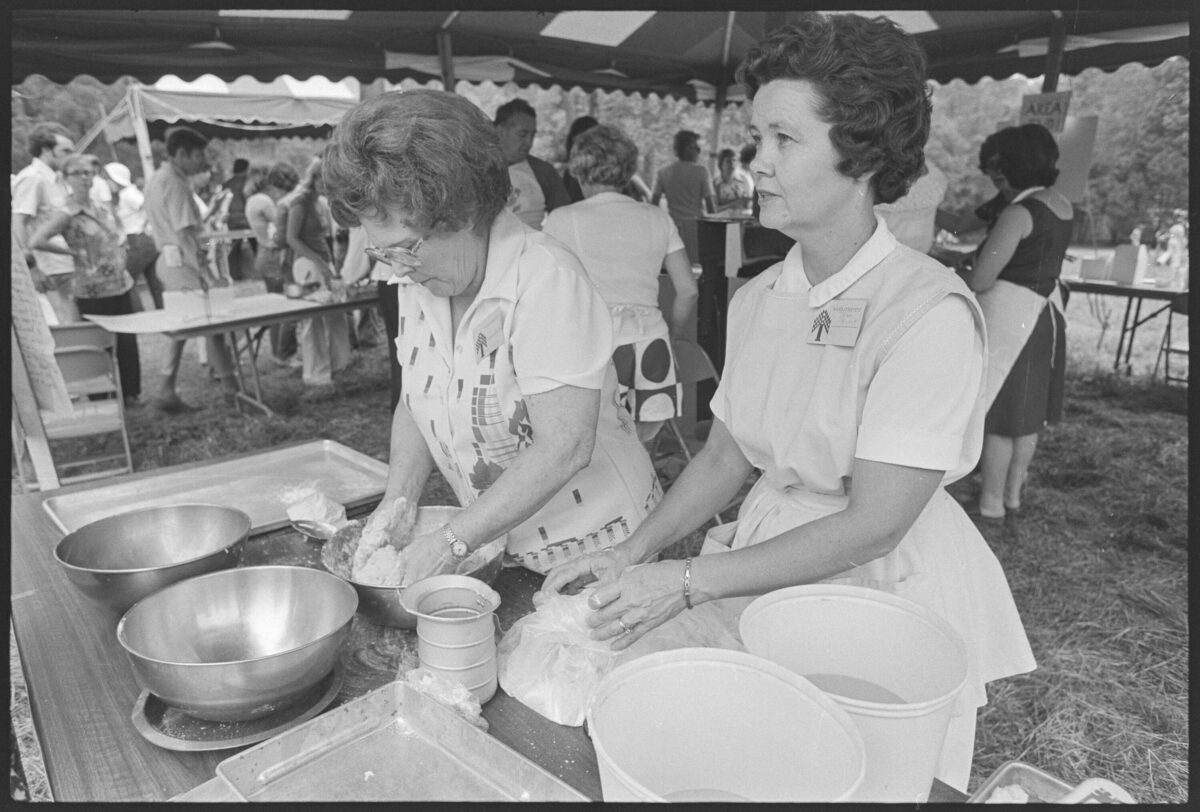
Biscuit Making
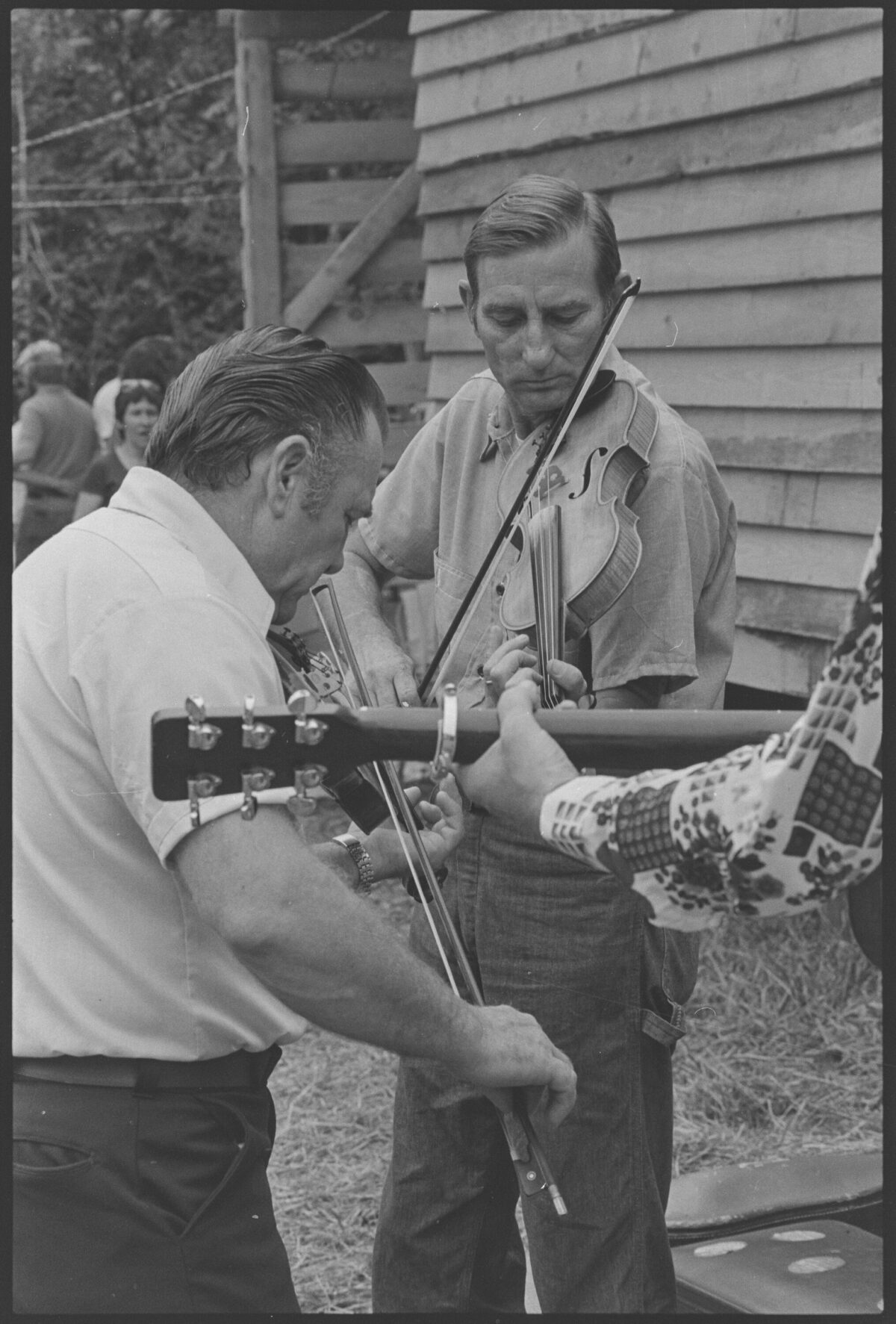
Bluegrass Jam
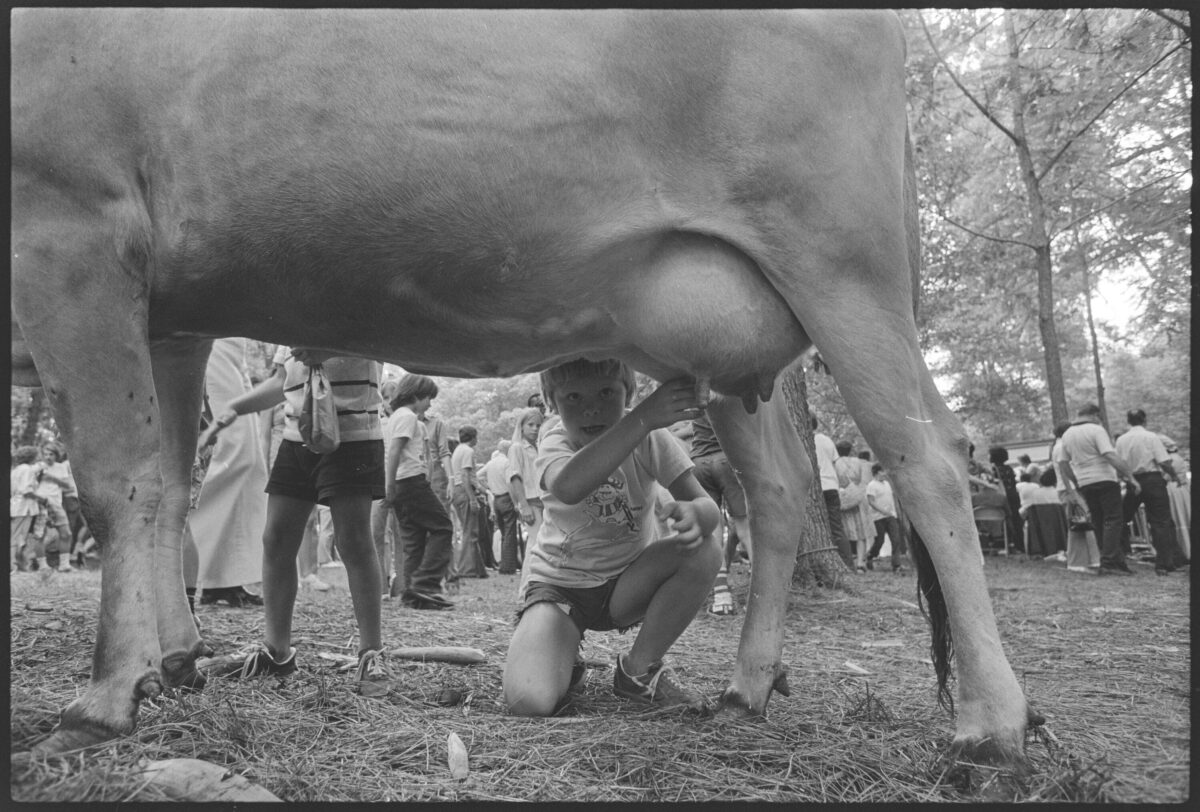
Child Milking a Cow
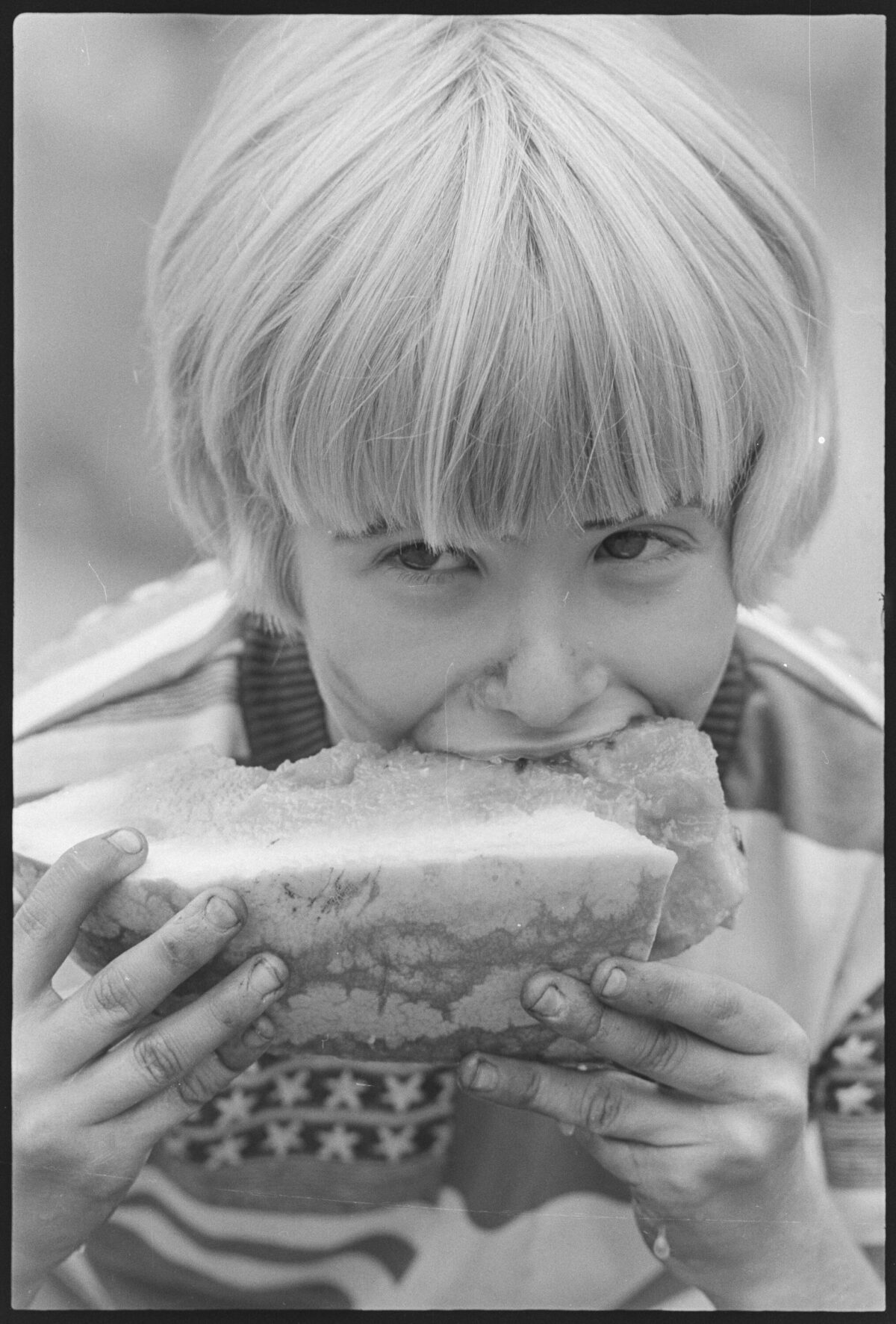
Child with Watermelon
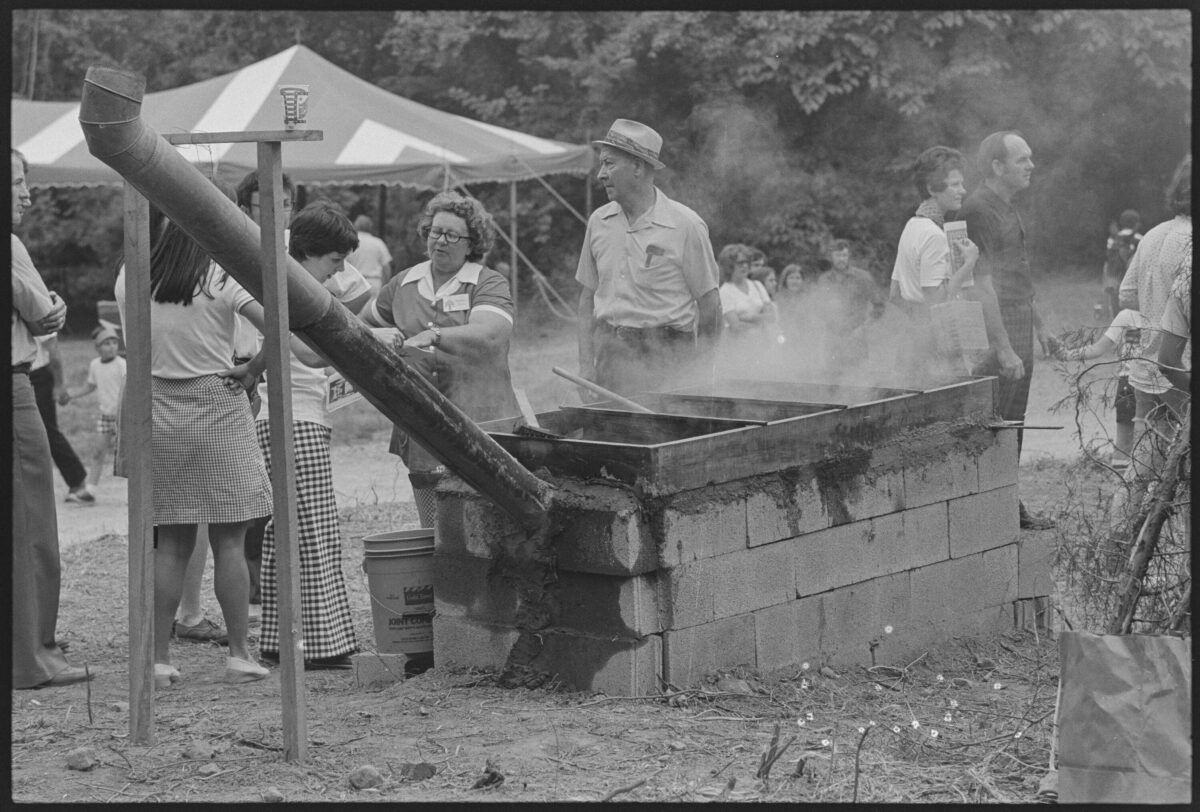
Cooking Molasses
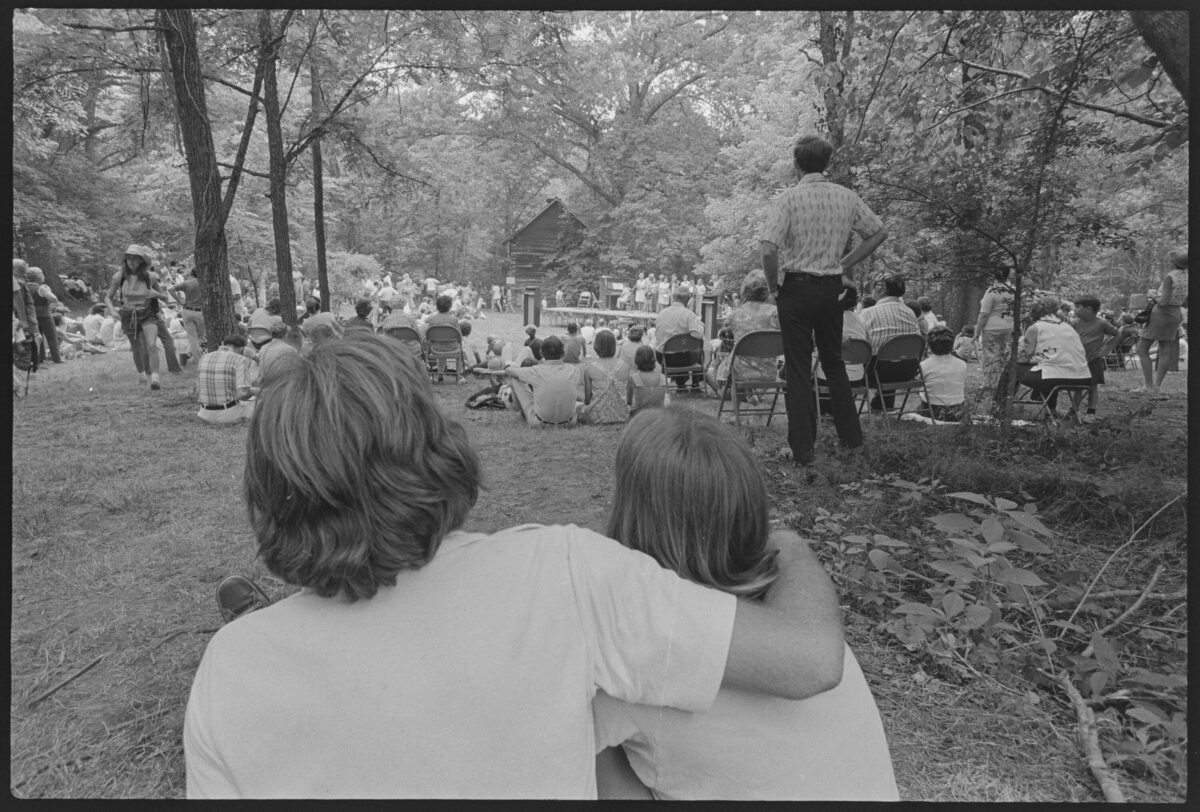
Crowd at the Piedmont Stage
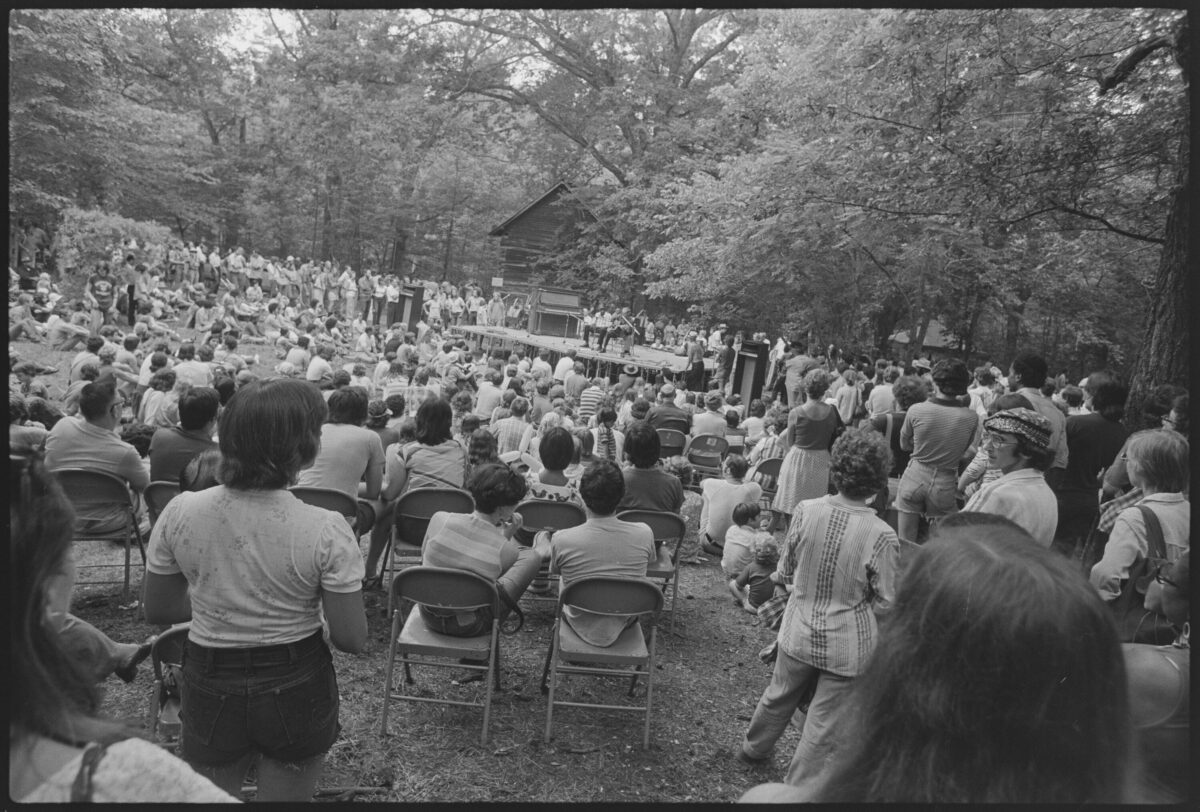
Crowd at the Piedmont Stage
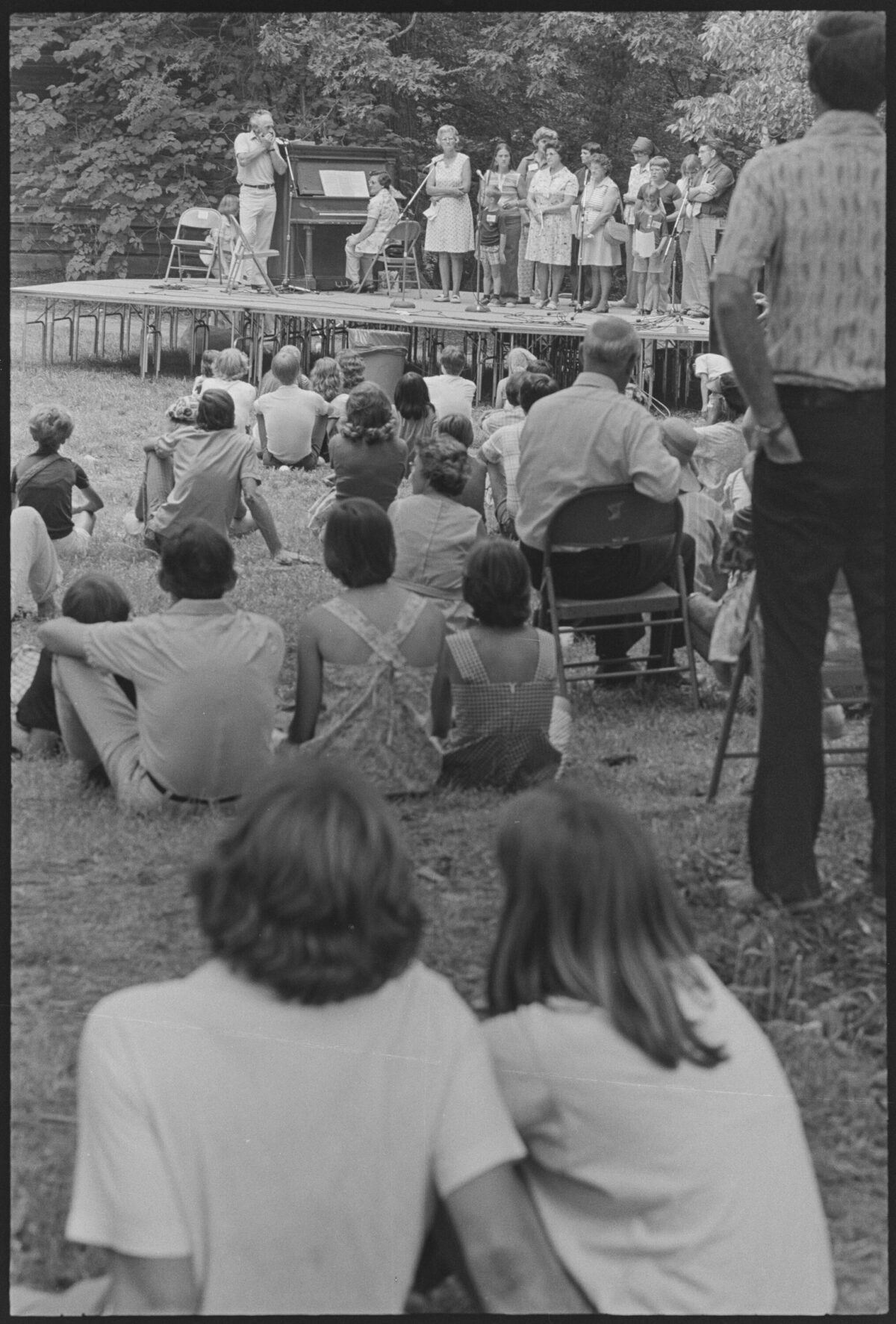
Dutch Choral Group
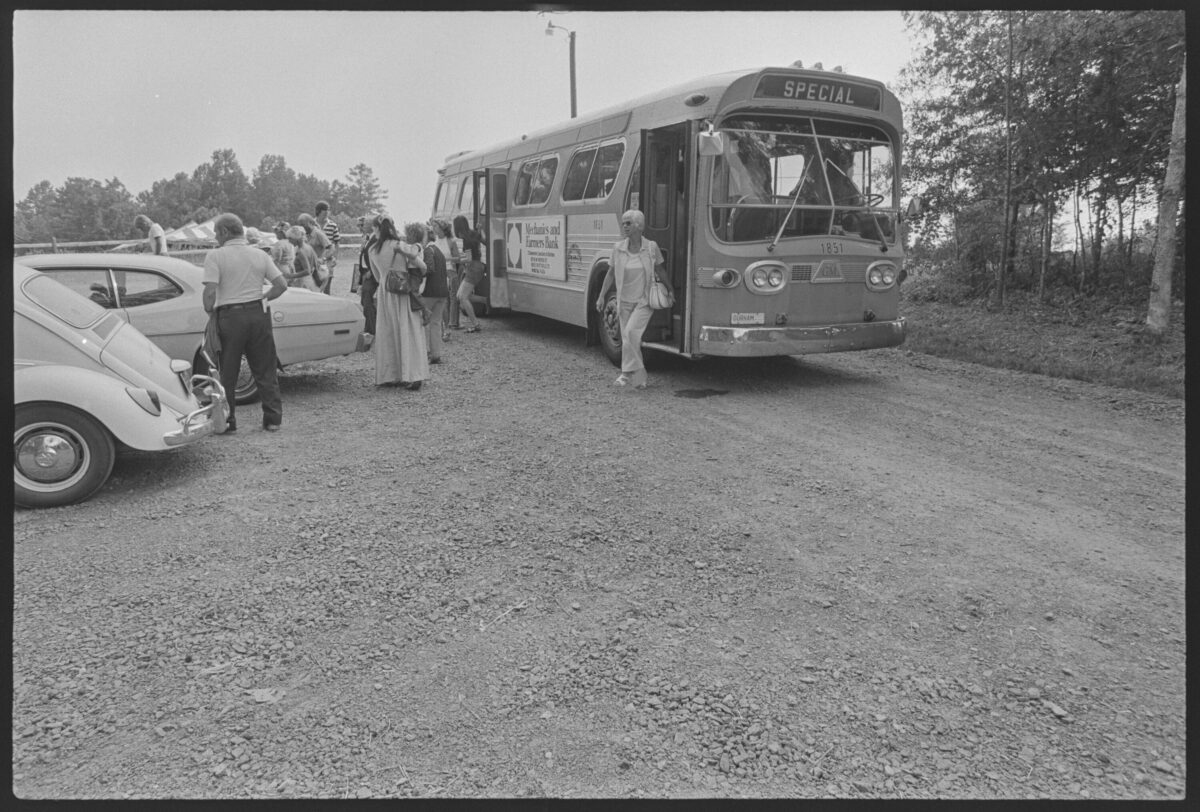
Shuttle Bus to the Festival
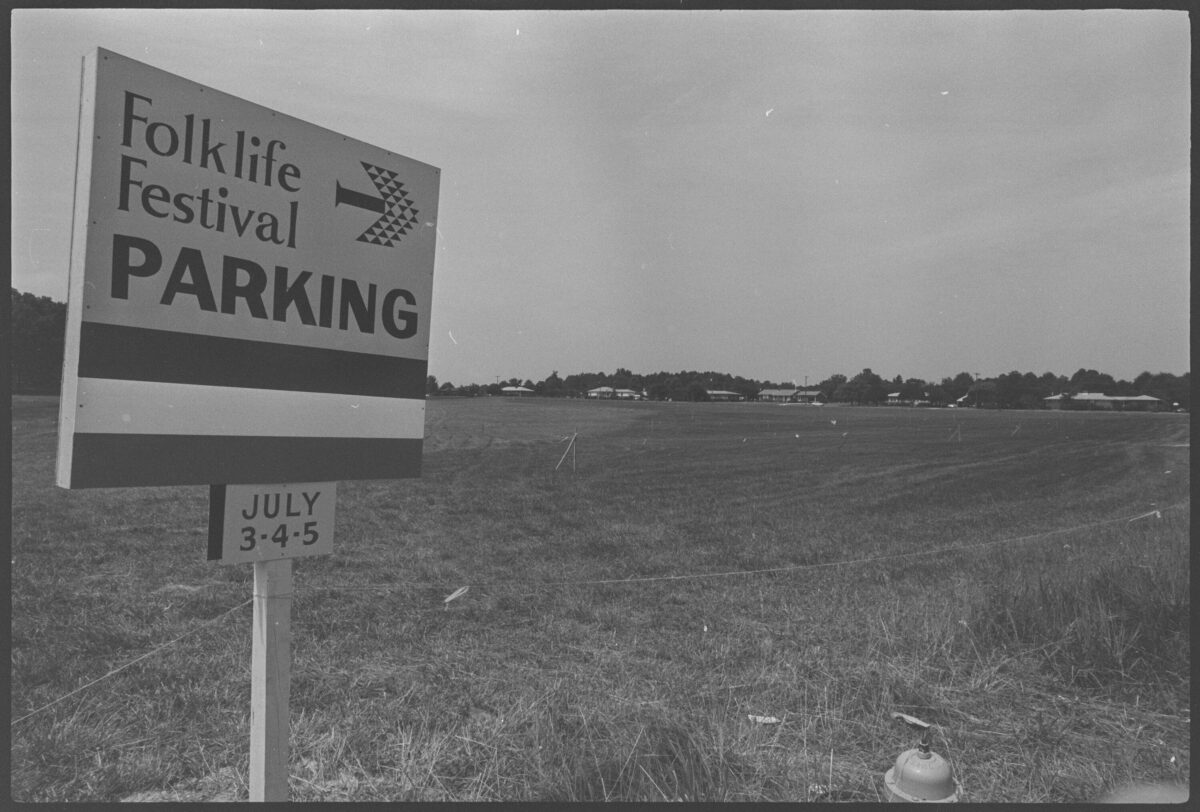
Festival Parking Sign
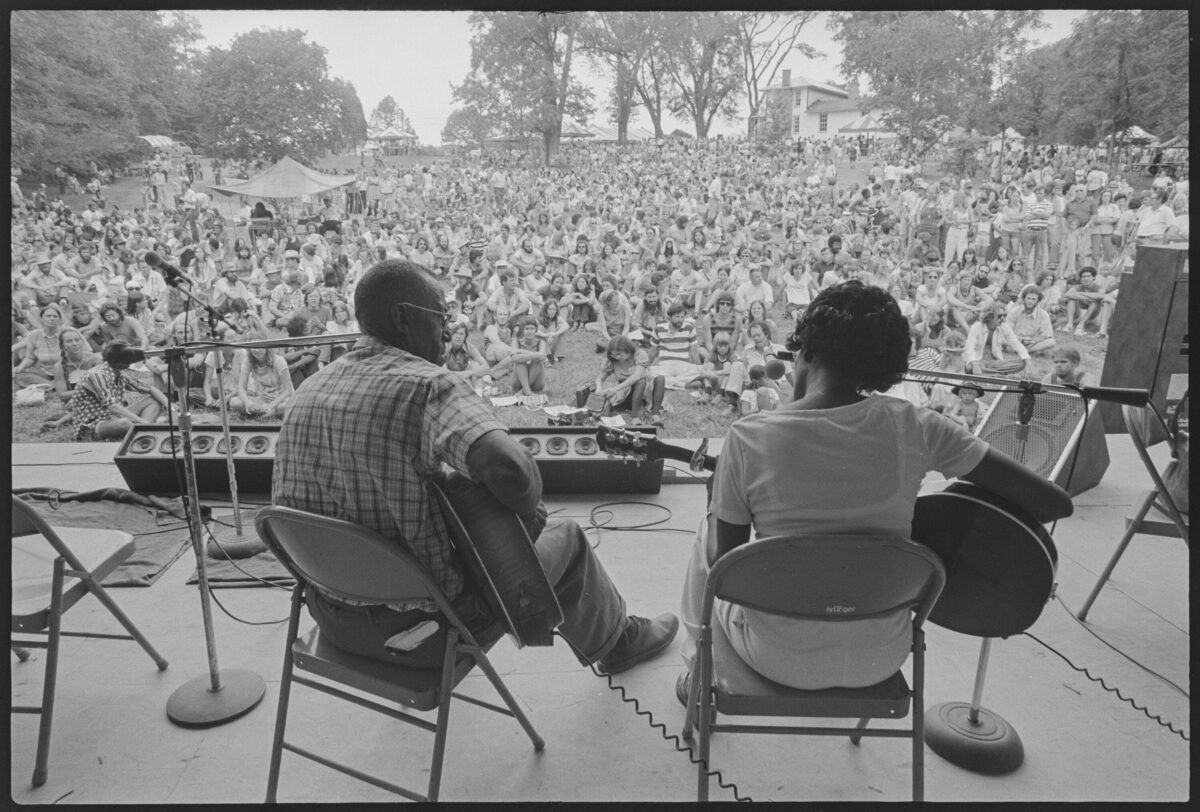
Guitar Slim on Main Stage
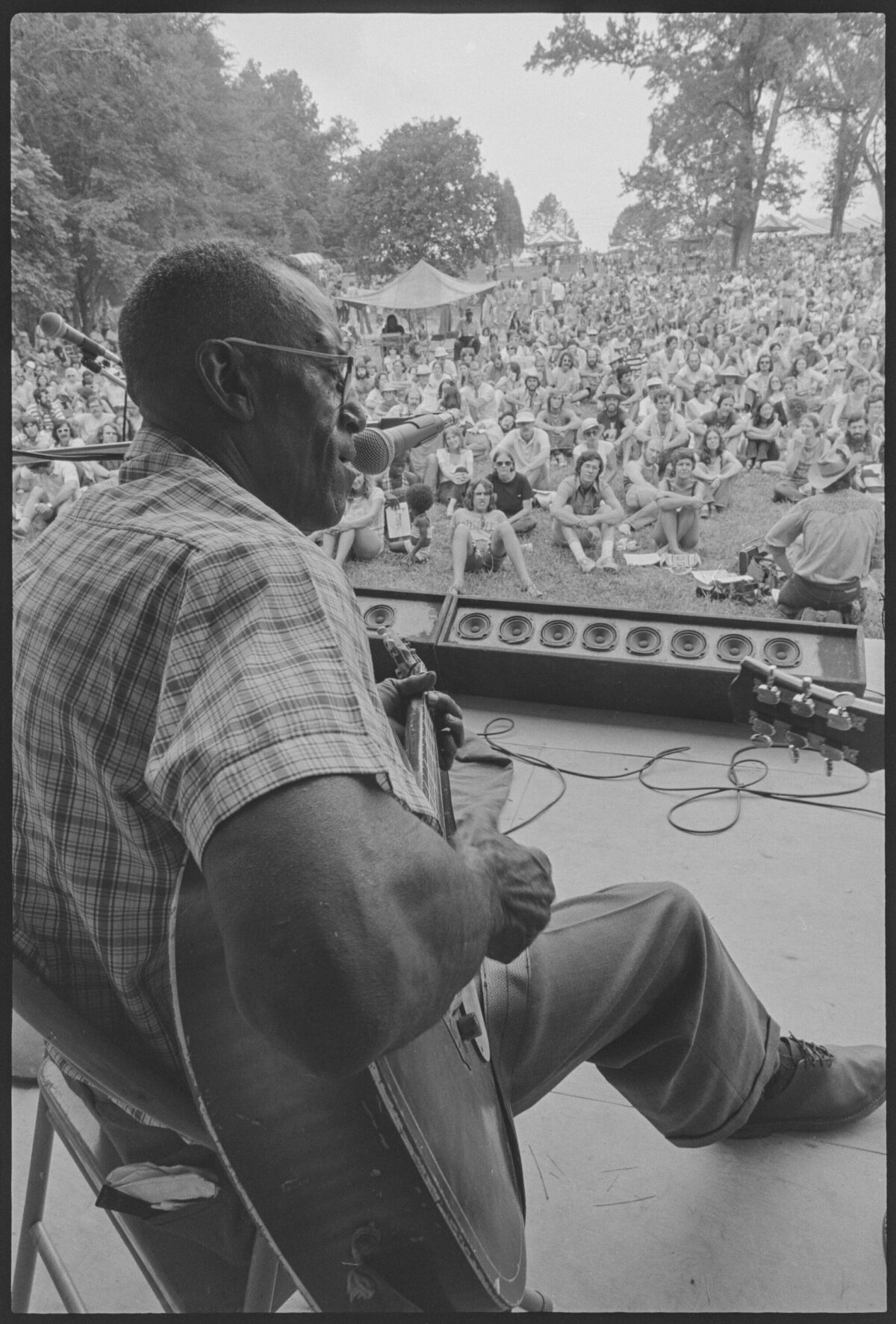
Guitar Slim on Main Stage
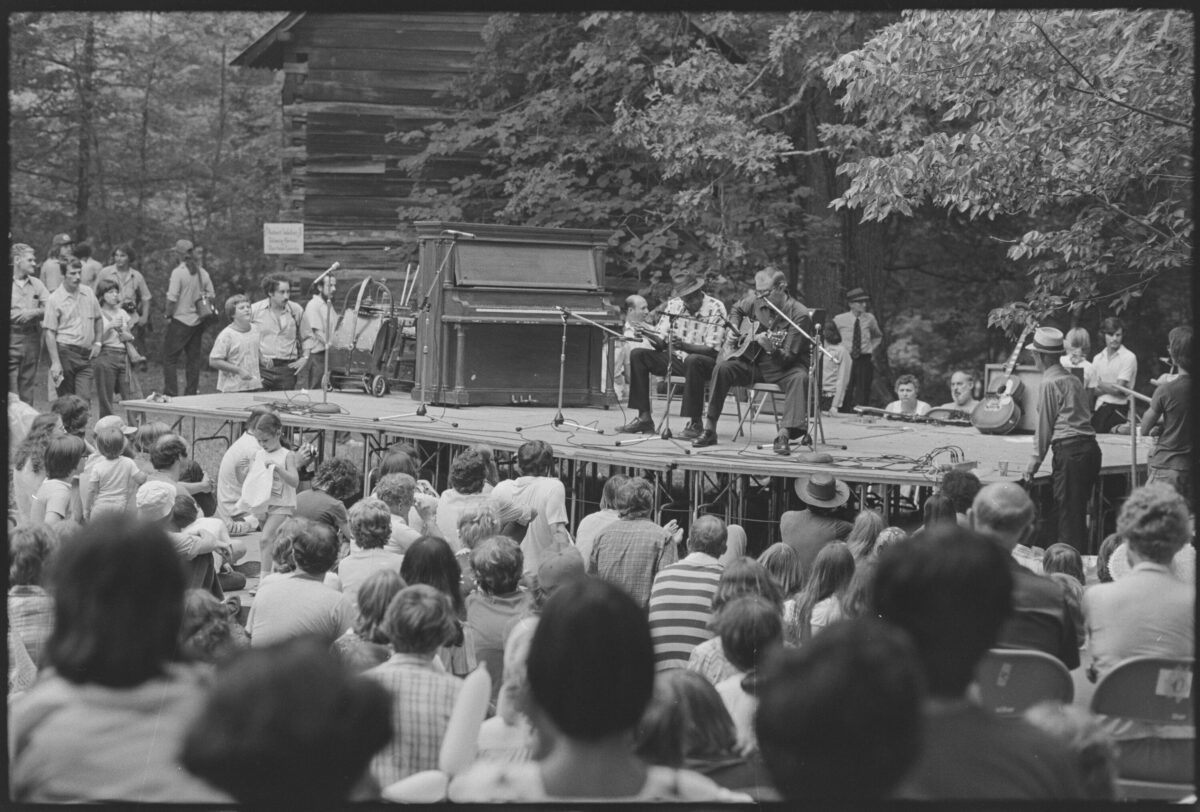
Piedmont Stage with E.C. Ball and James Borders
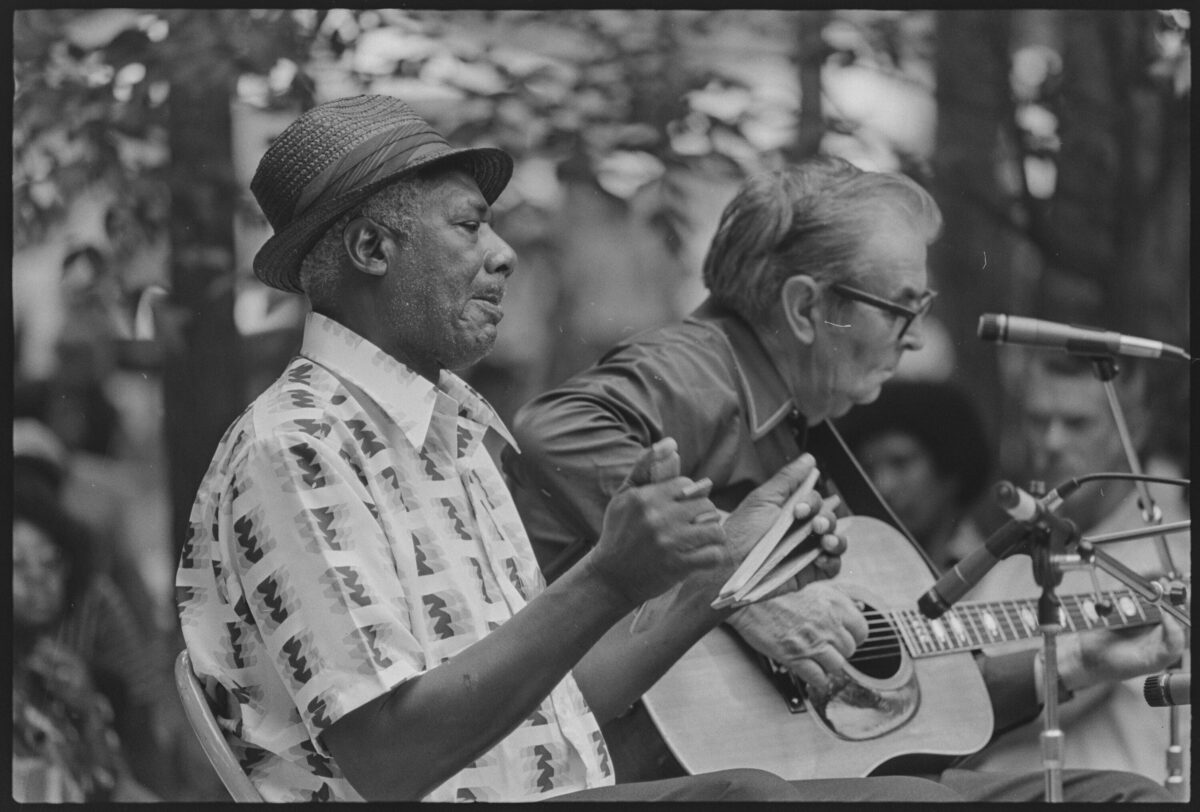
James Borders with E.C. Ball
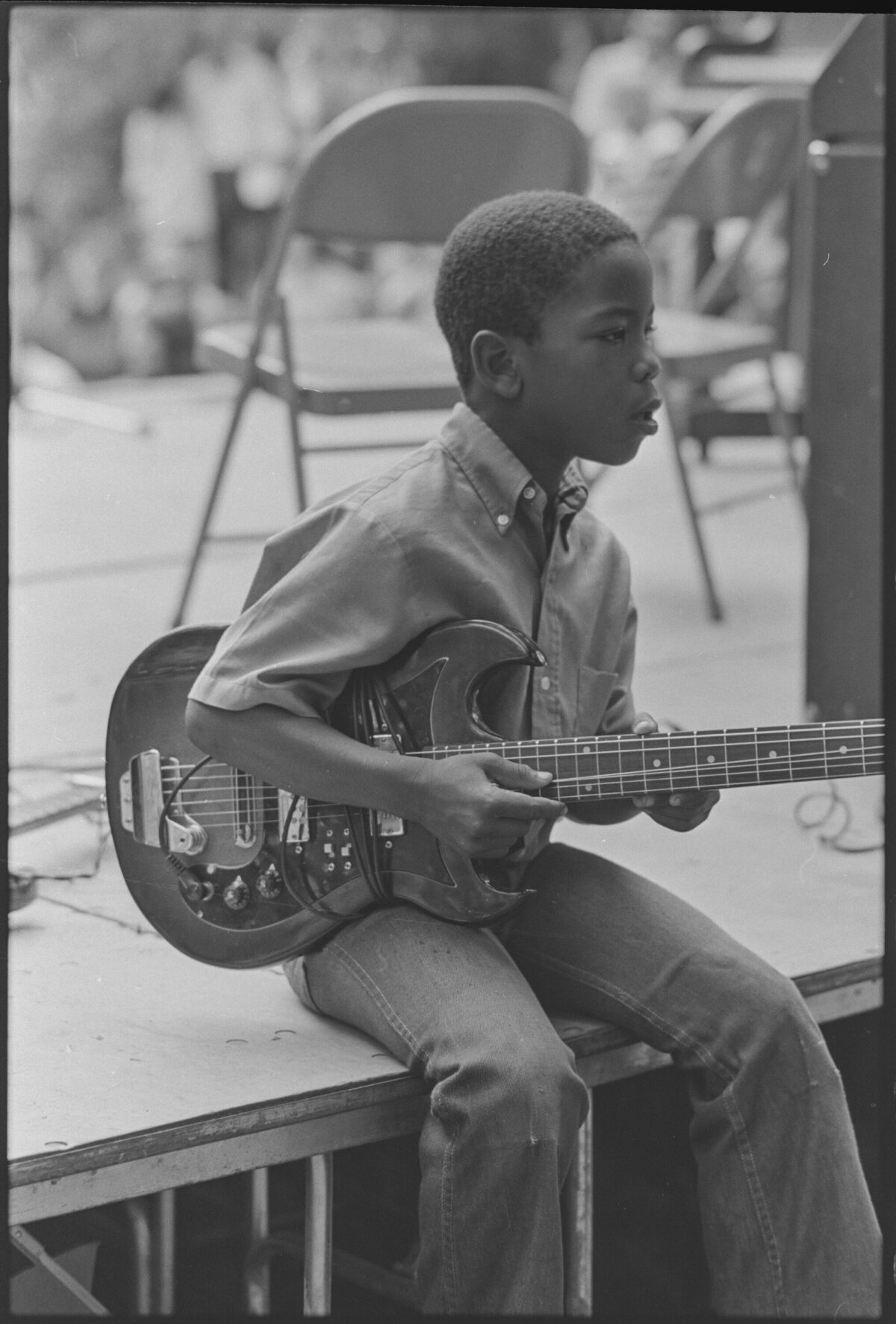
Learning the Blues
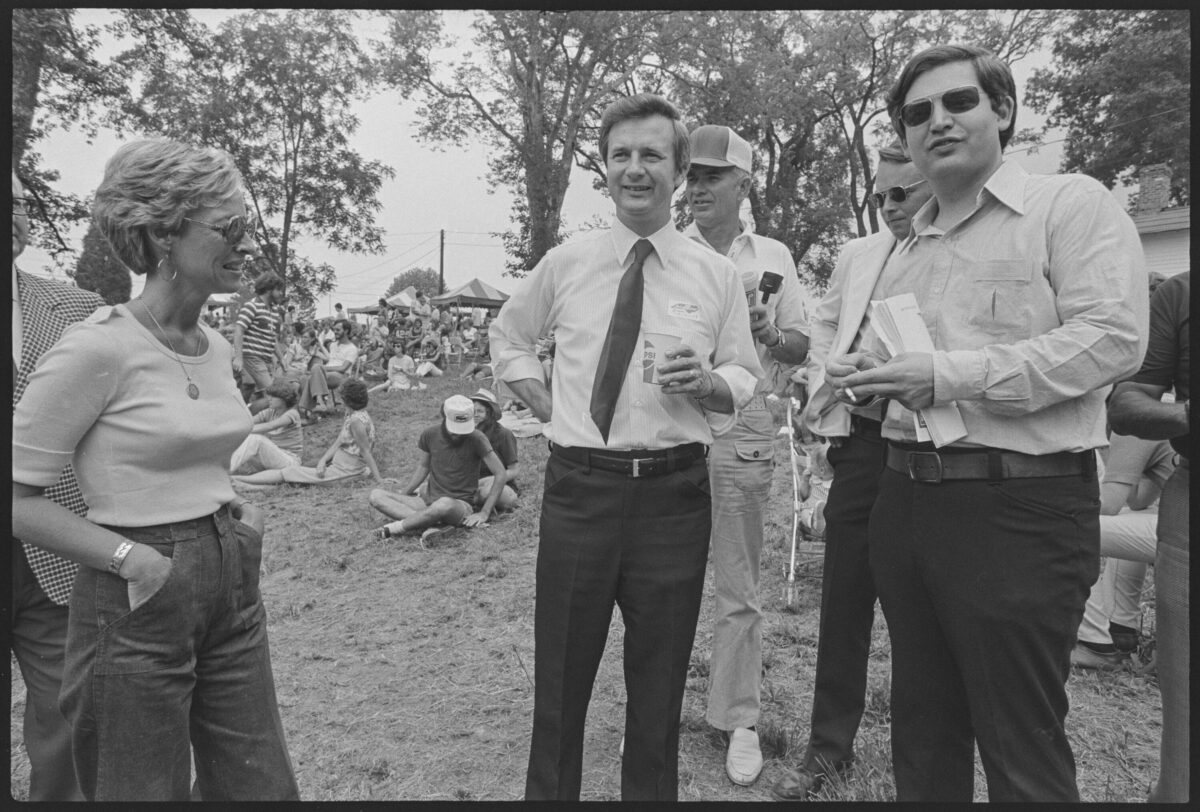
Lt. Governor James B. Hunt
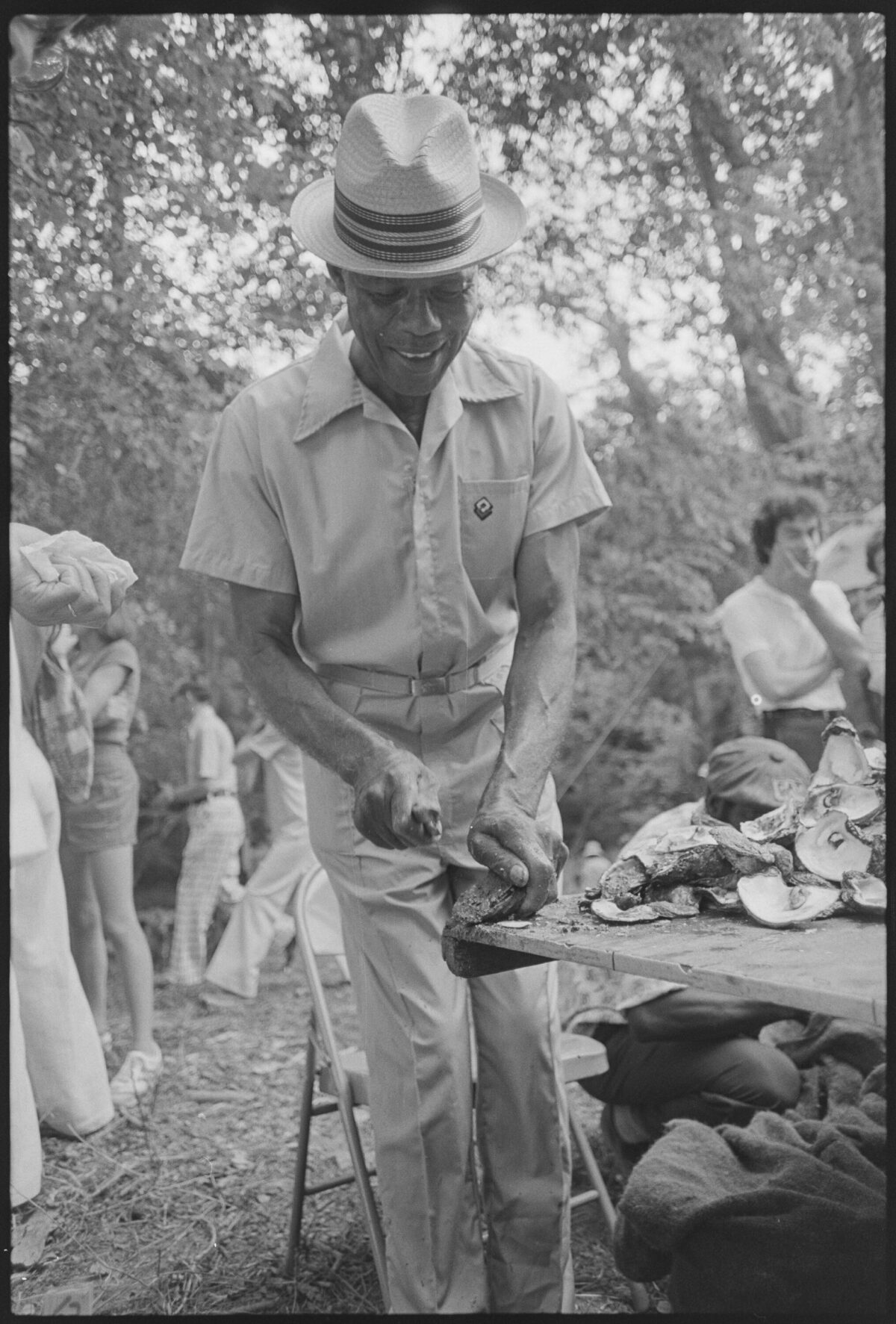
Luke Dudley Demonstrates Oyster Shucking
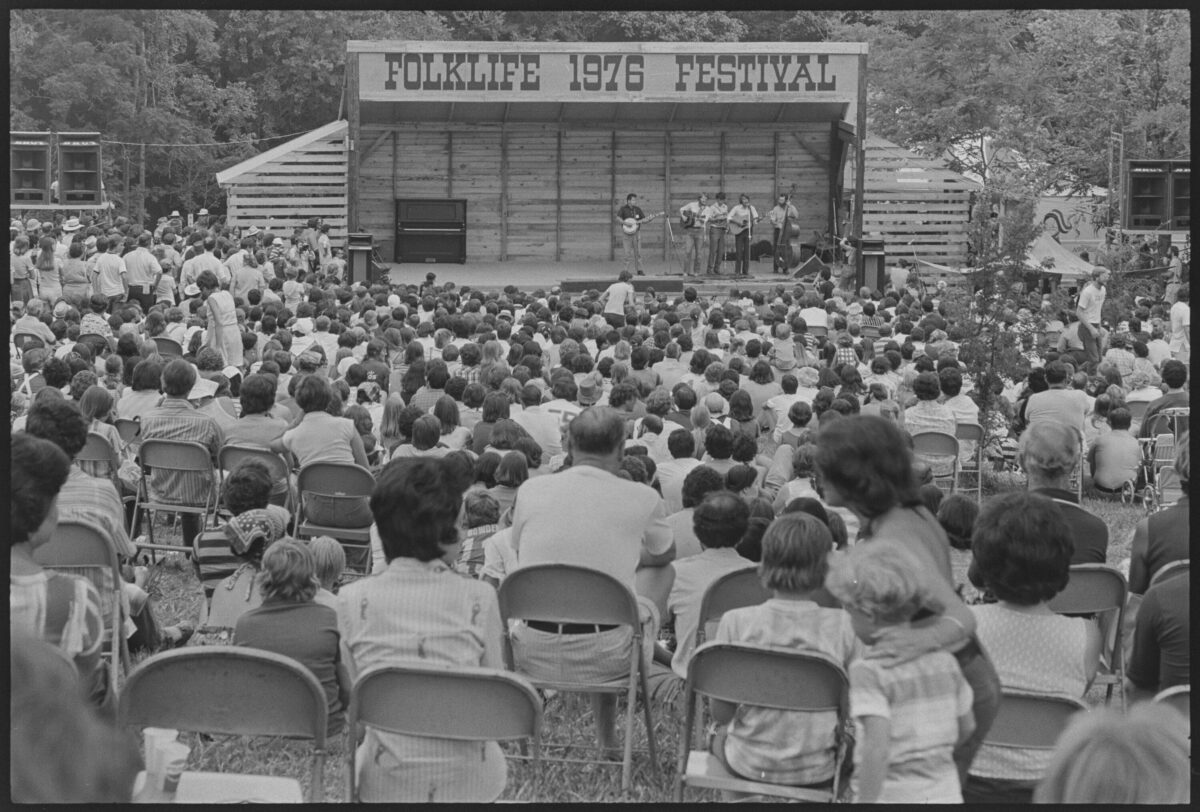
Main Stage
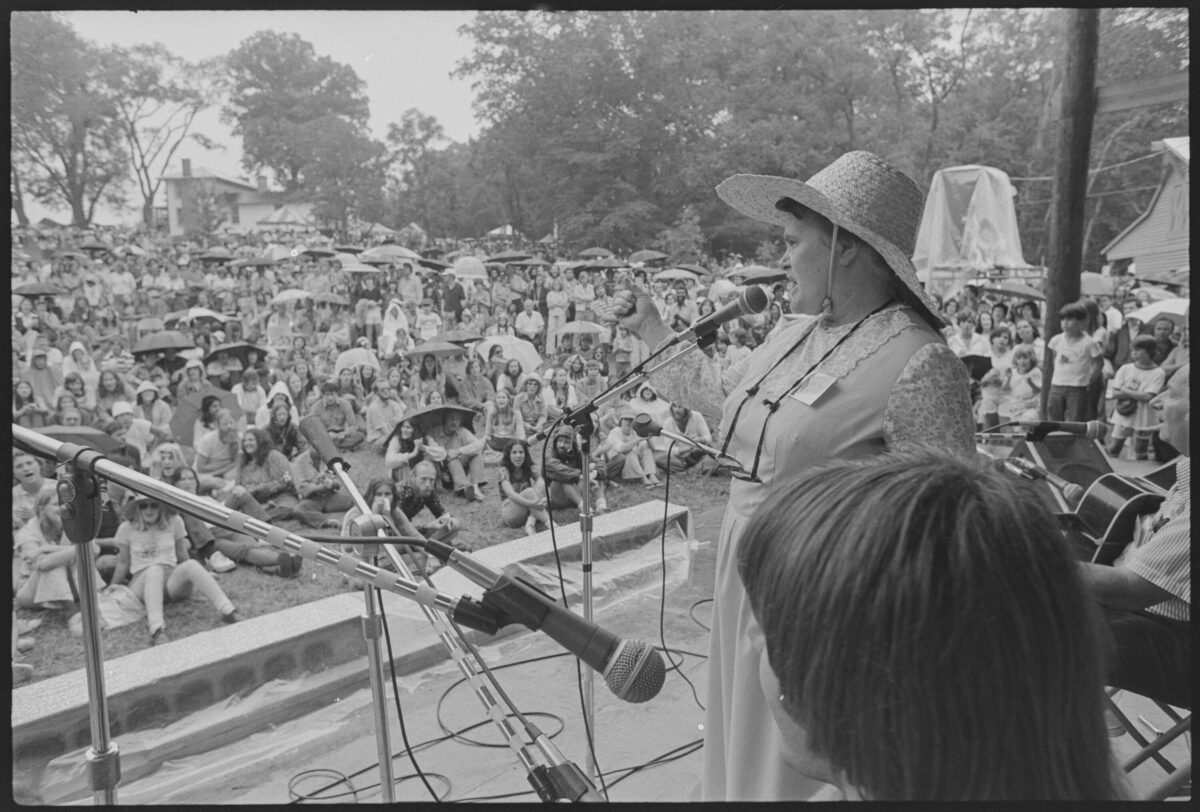
Ola Belle Reed and Family Performs to a Wet Crowd
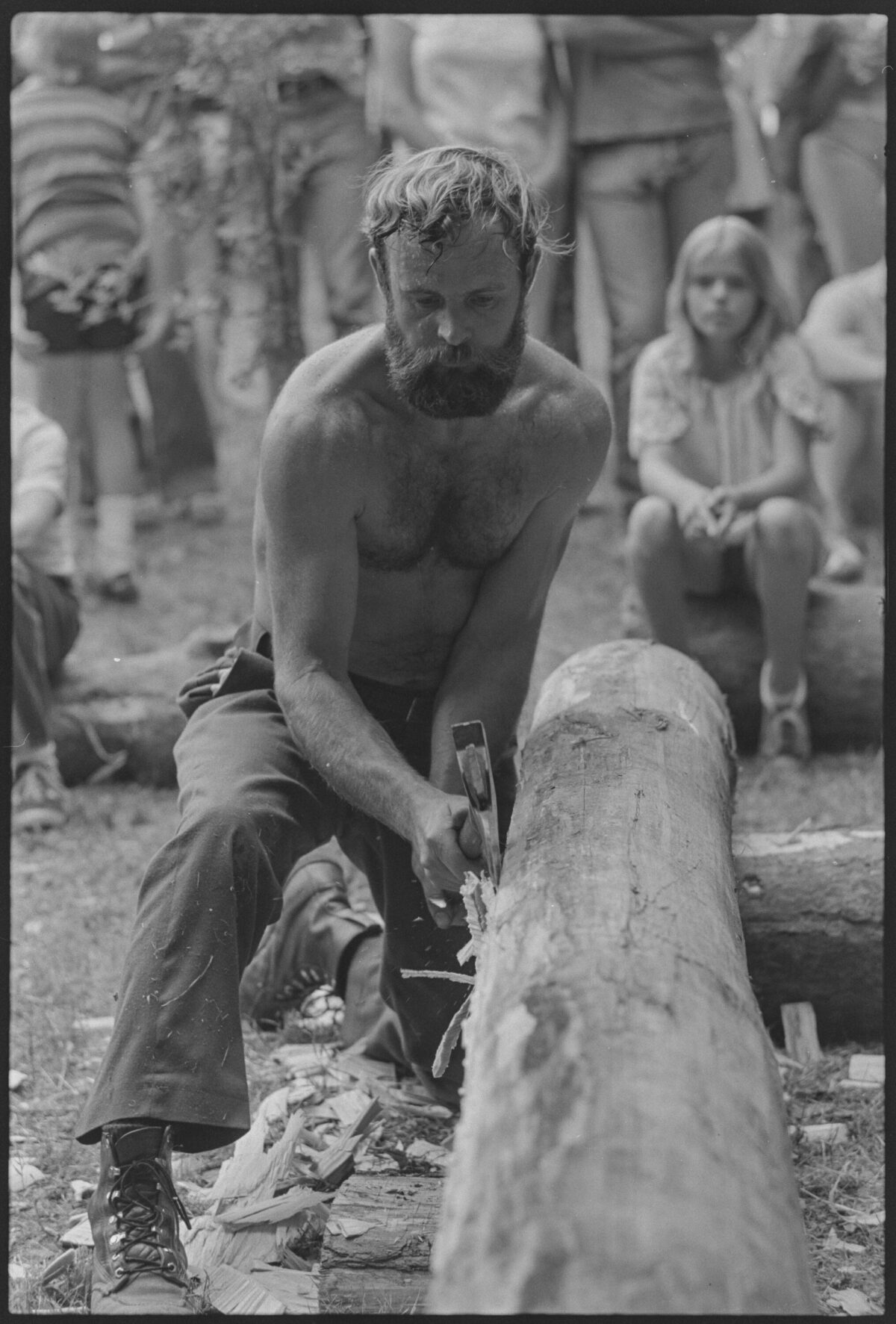
Peter Gott Hewing Logs for Log Cabin Construction
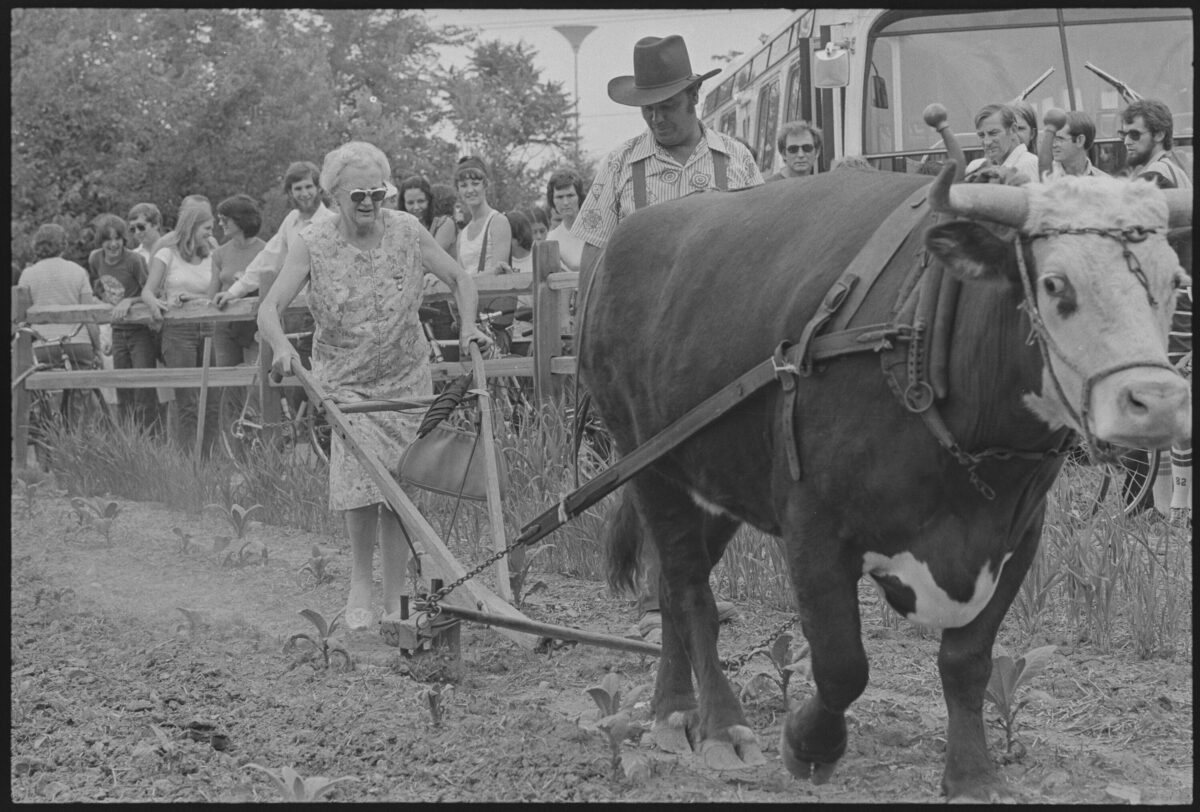
Plowing Demonstration
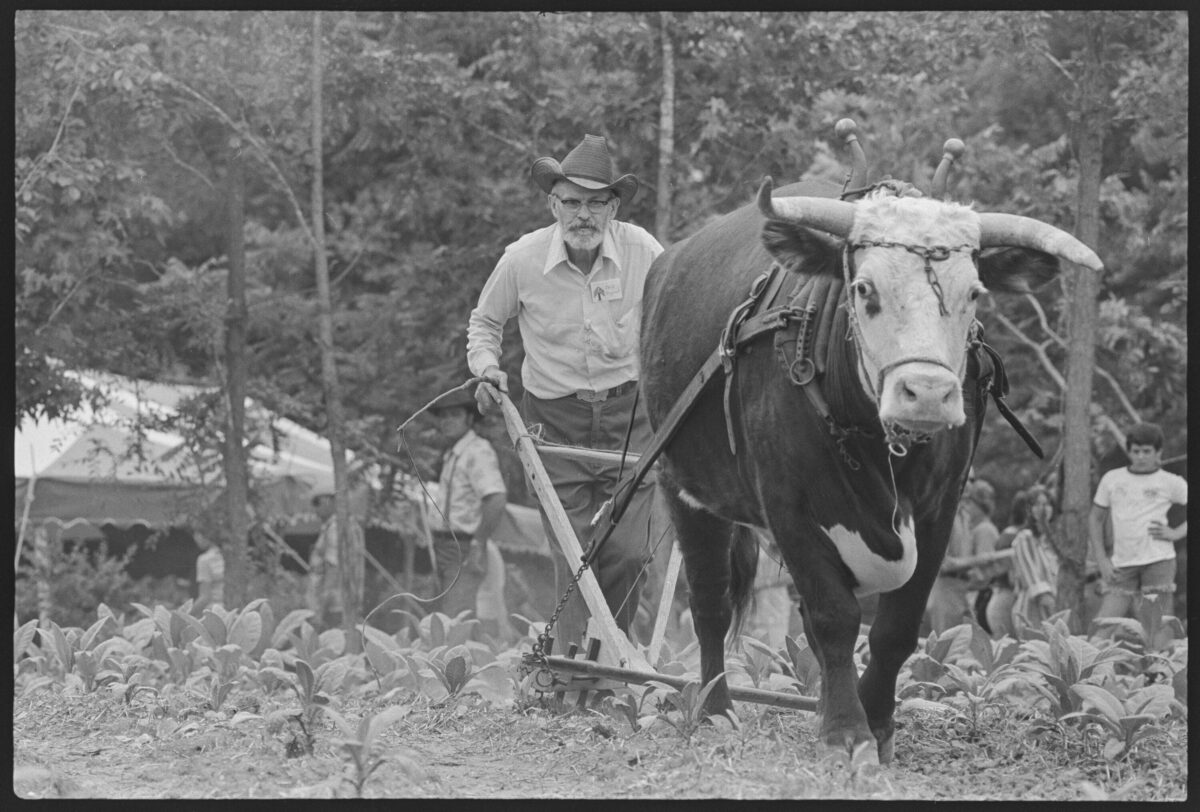
Plowing Demonstration
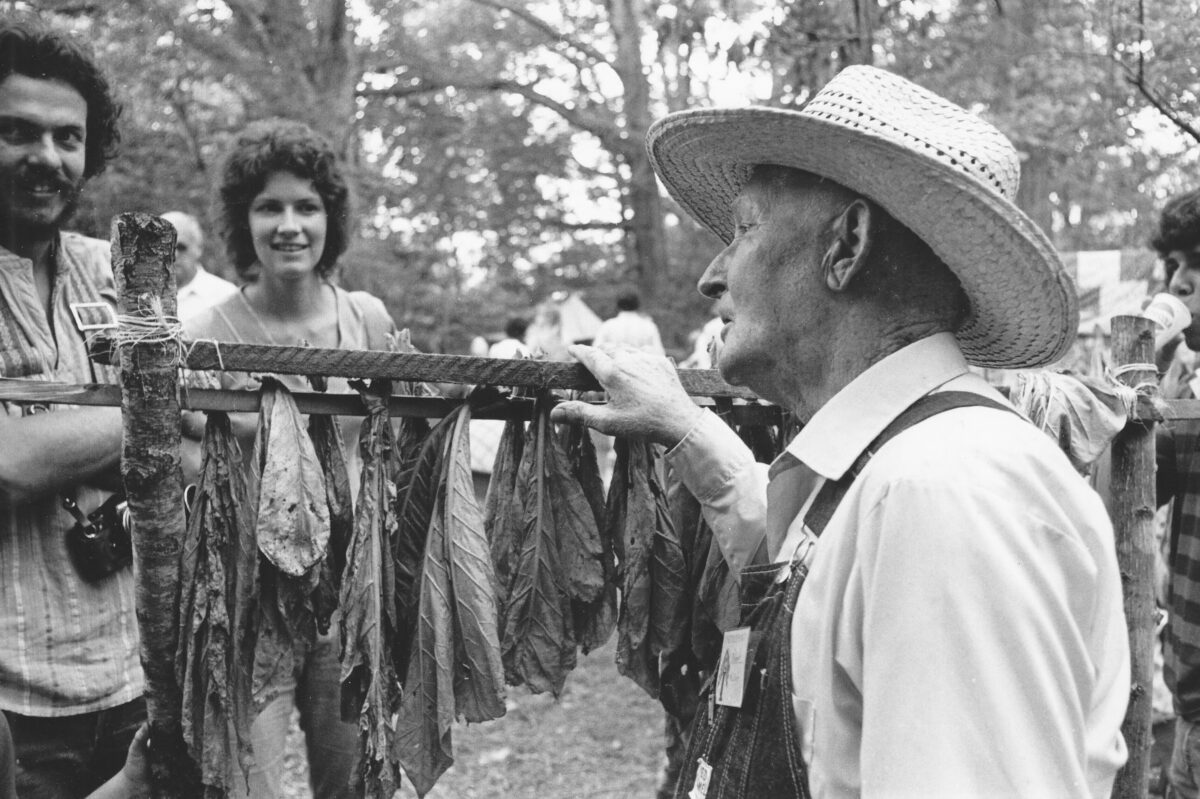
Robert Walker Shows How to String Tobacco
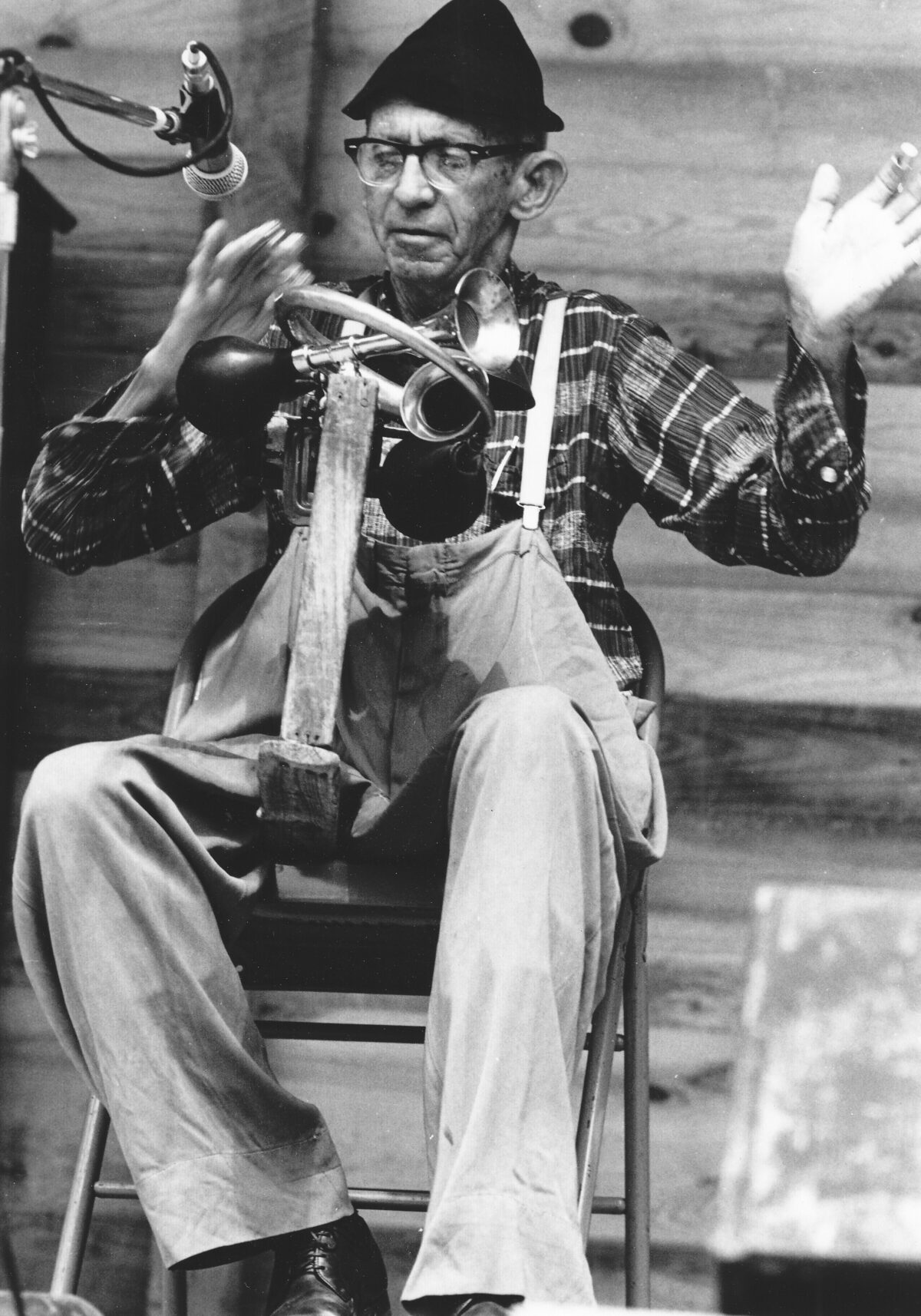
Snuffy Jenkins of the Hired Hands
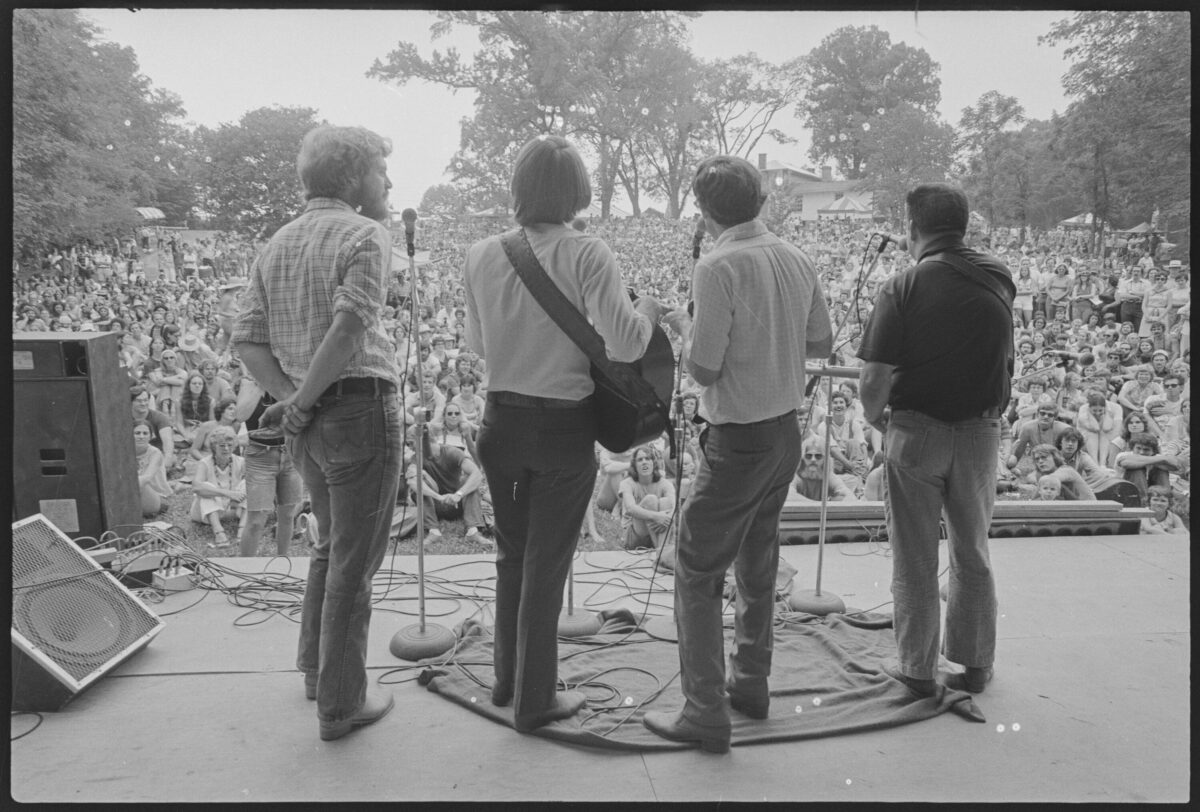
Crowd enjoying the Bluegrass Experience
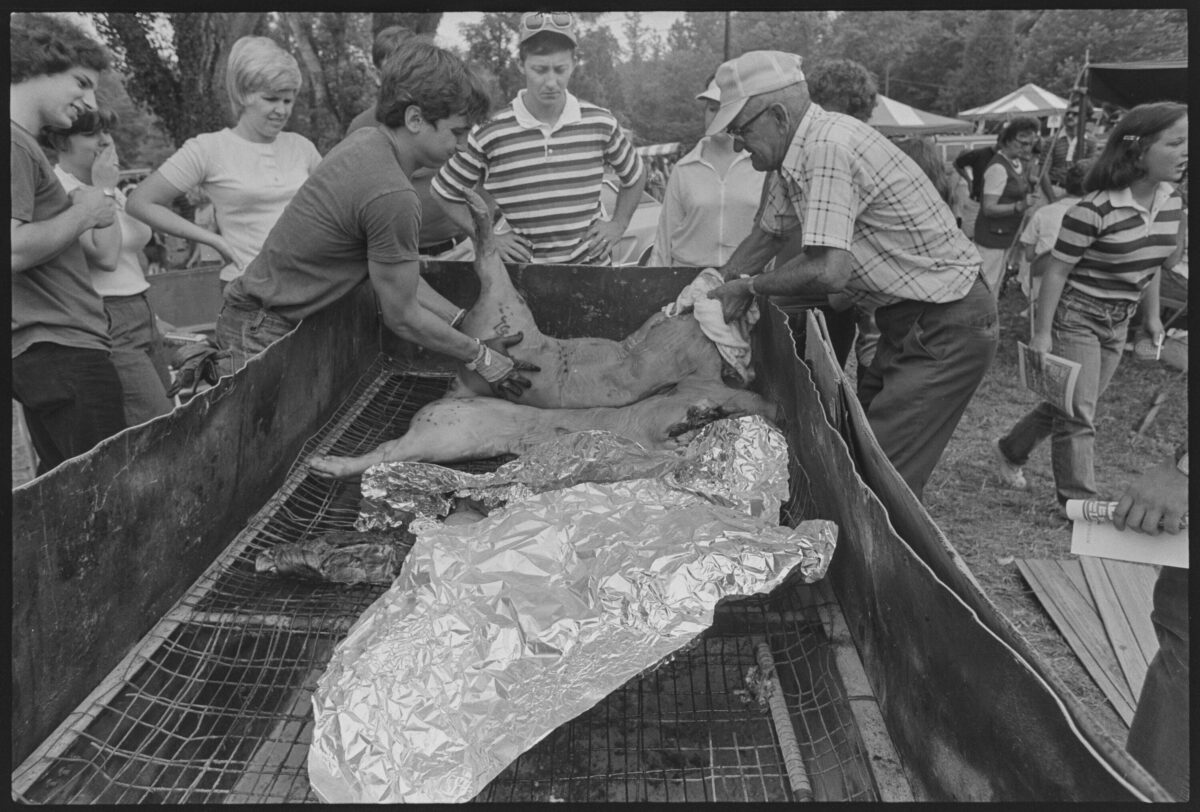
Whole Hog BBQ with Johnnie William
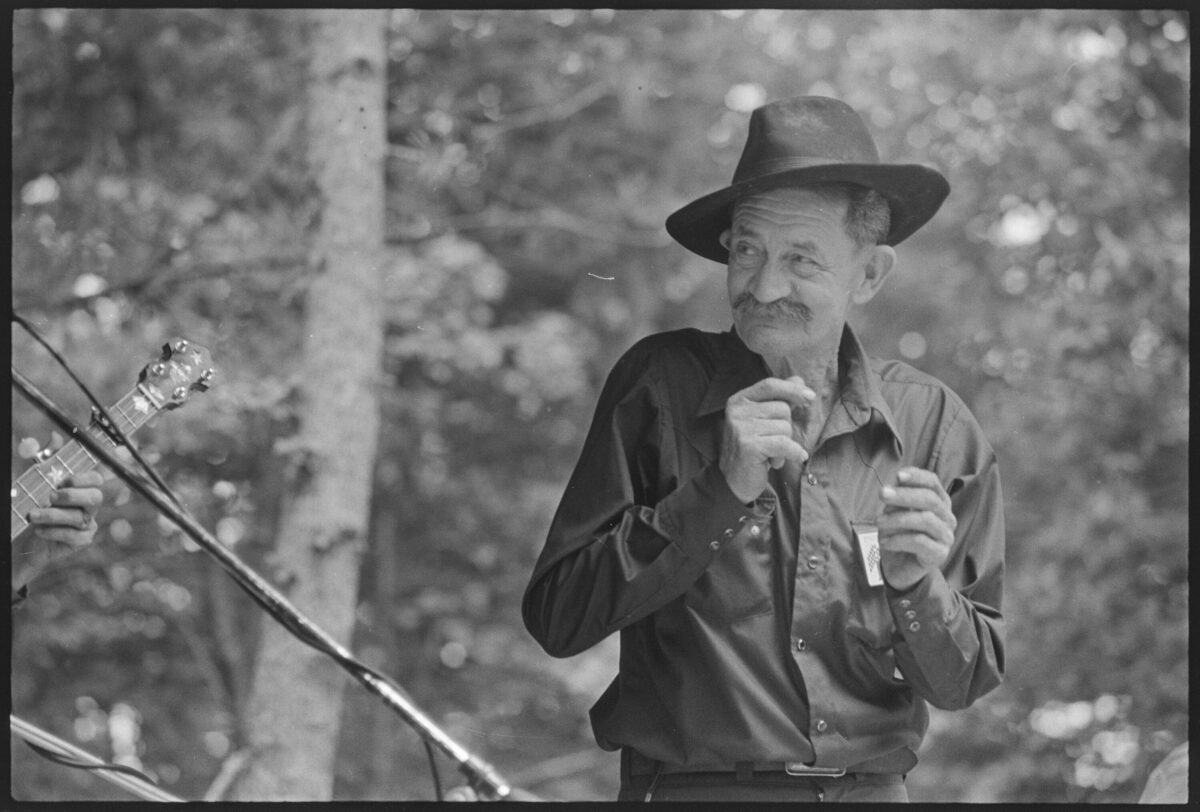
Willard Watson
Photos by Duncan Heron
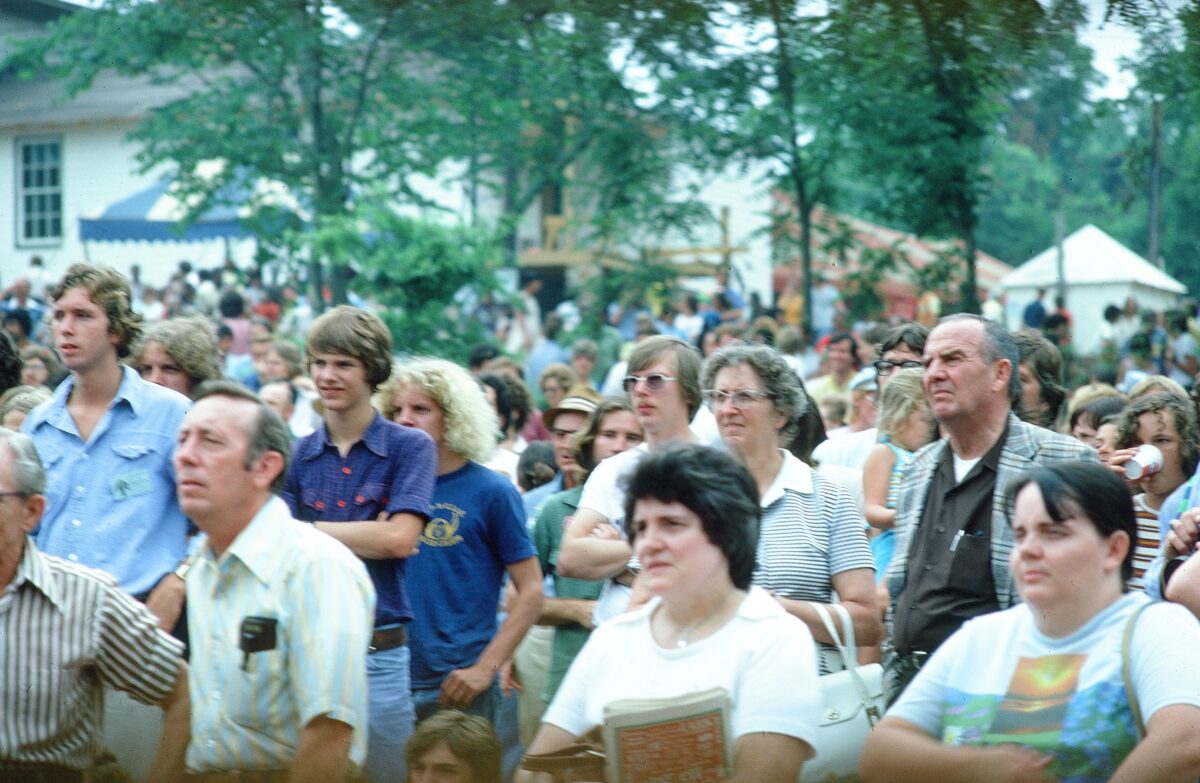
Enjoying the Show
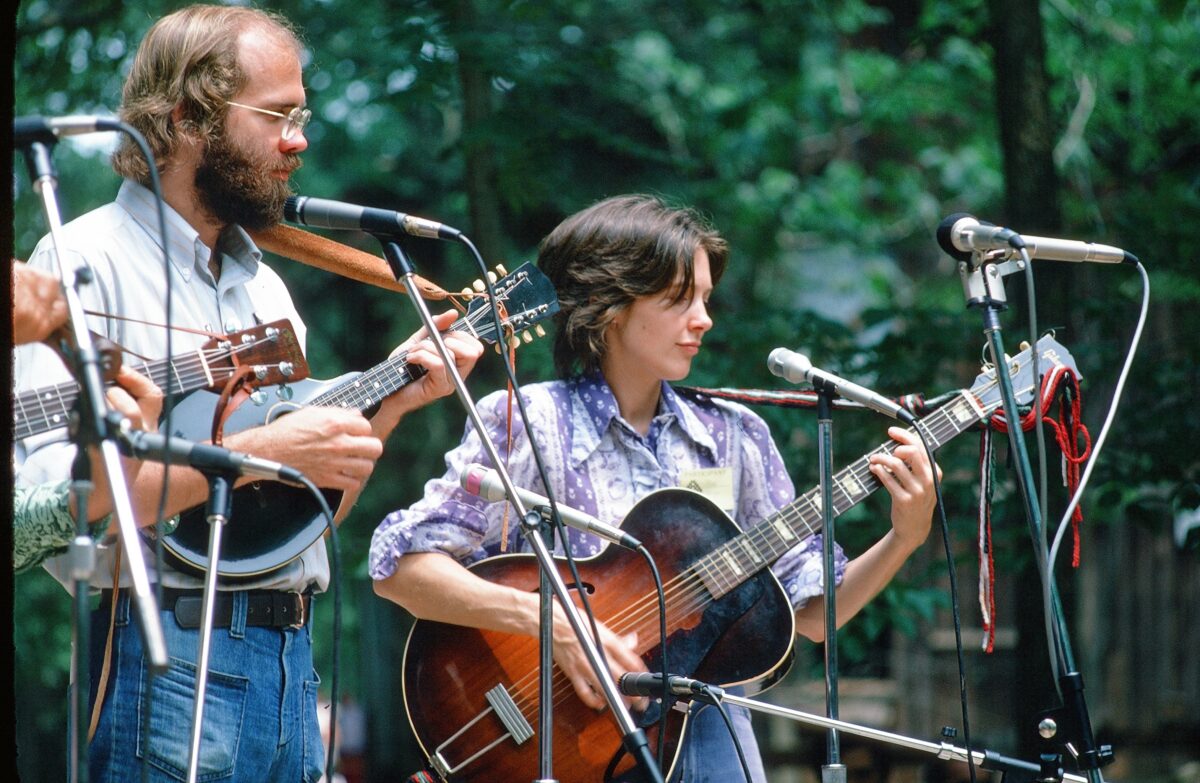
Bill Phillips and Jenny Knoop, with Hash House Harvey Swing Band
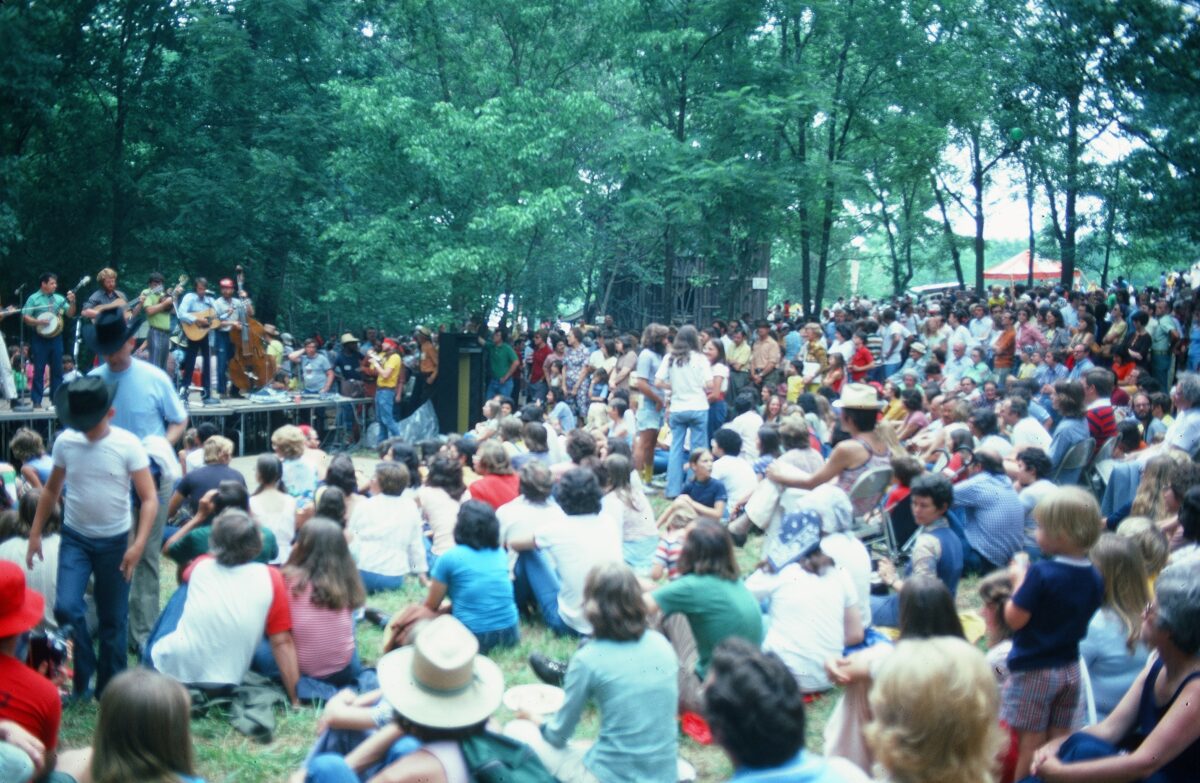
Enjoying the Bluegrass Experience
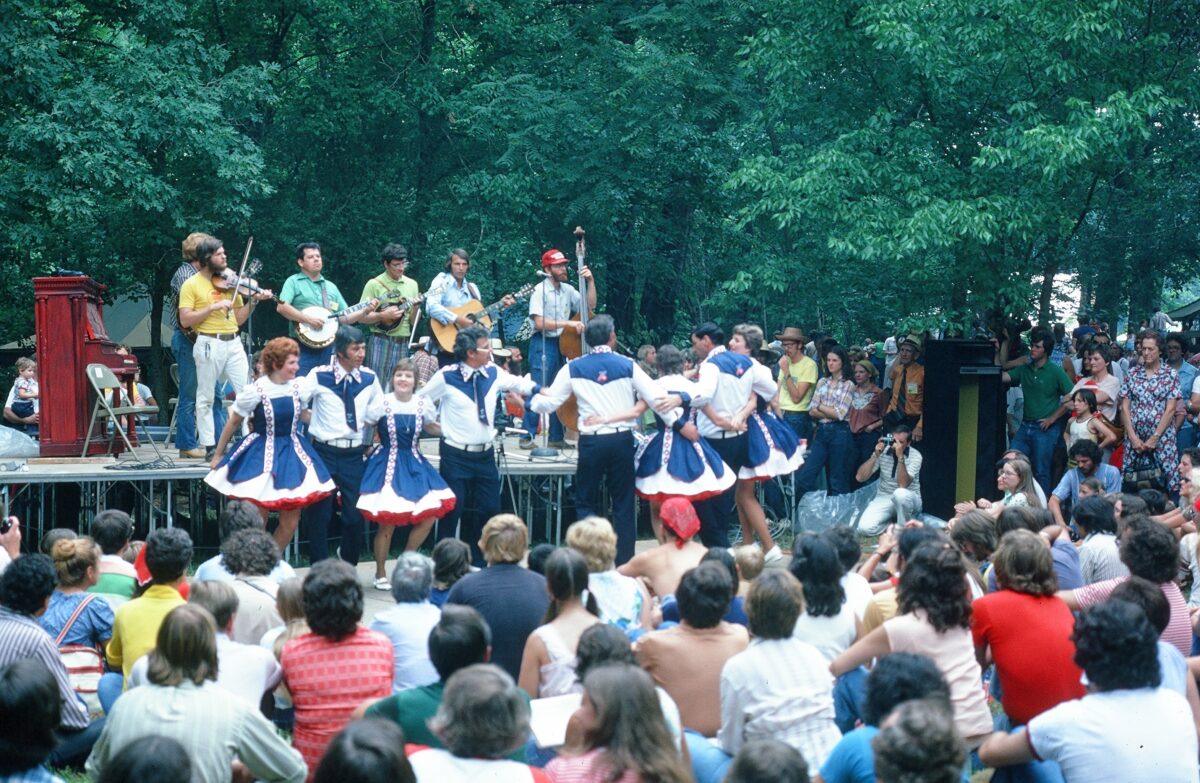
Bluegrass Experience and Mountain Clogging
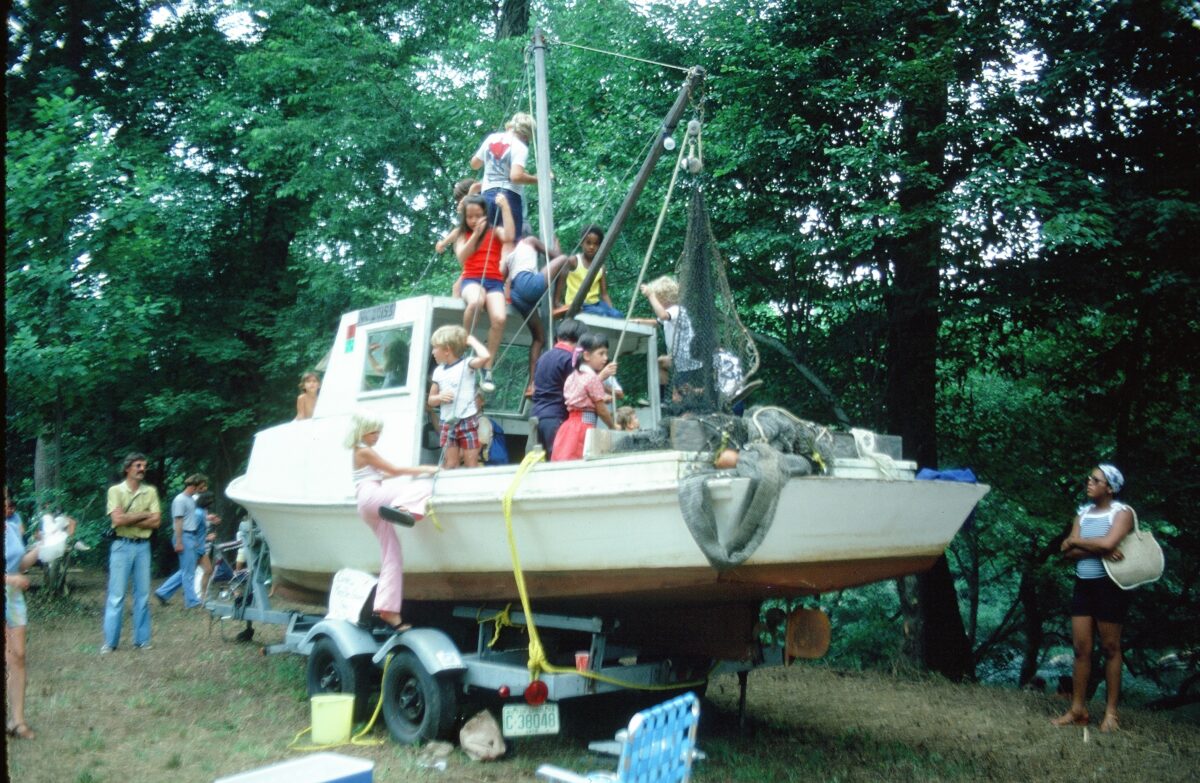
Children Playing on a Down East Shrimp Boat
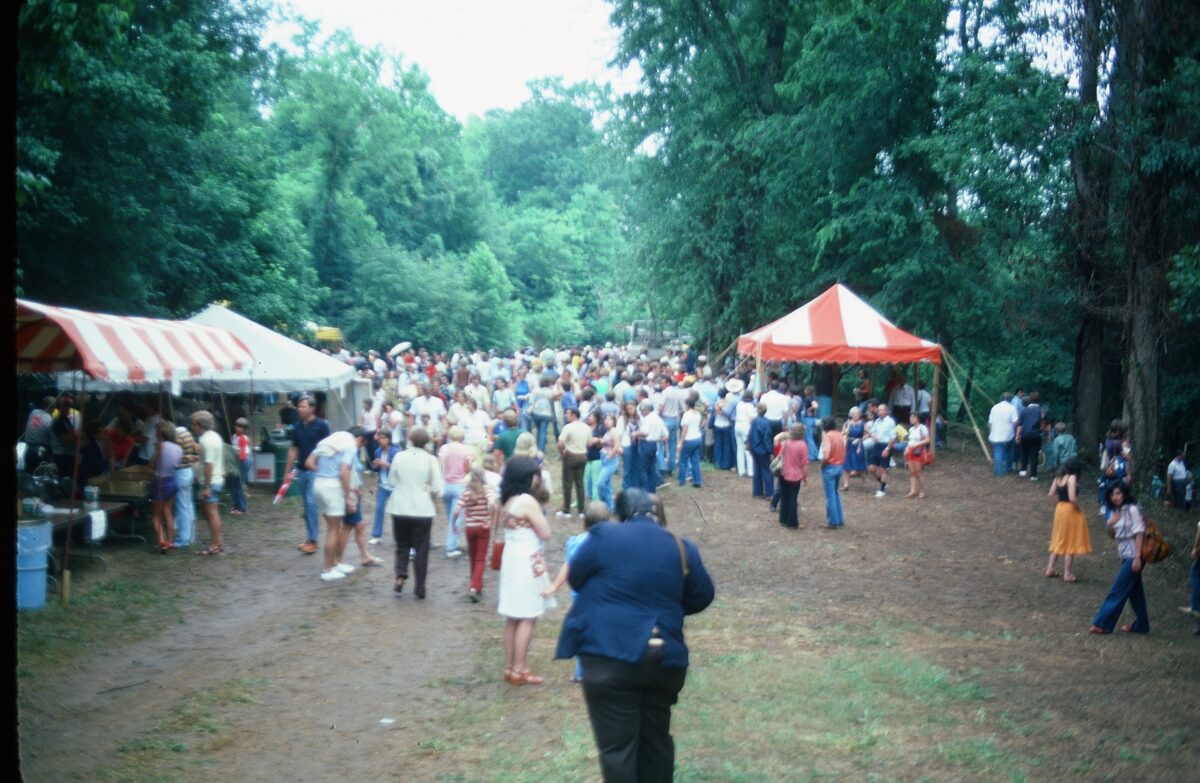
Visiting the Festival's Coastal Program
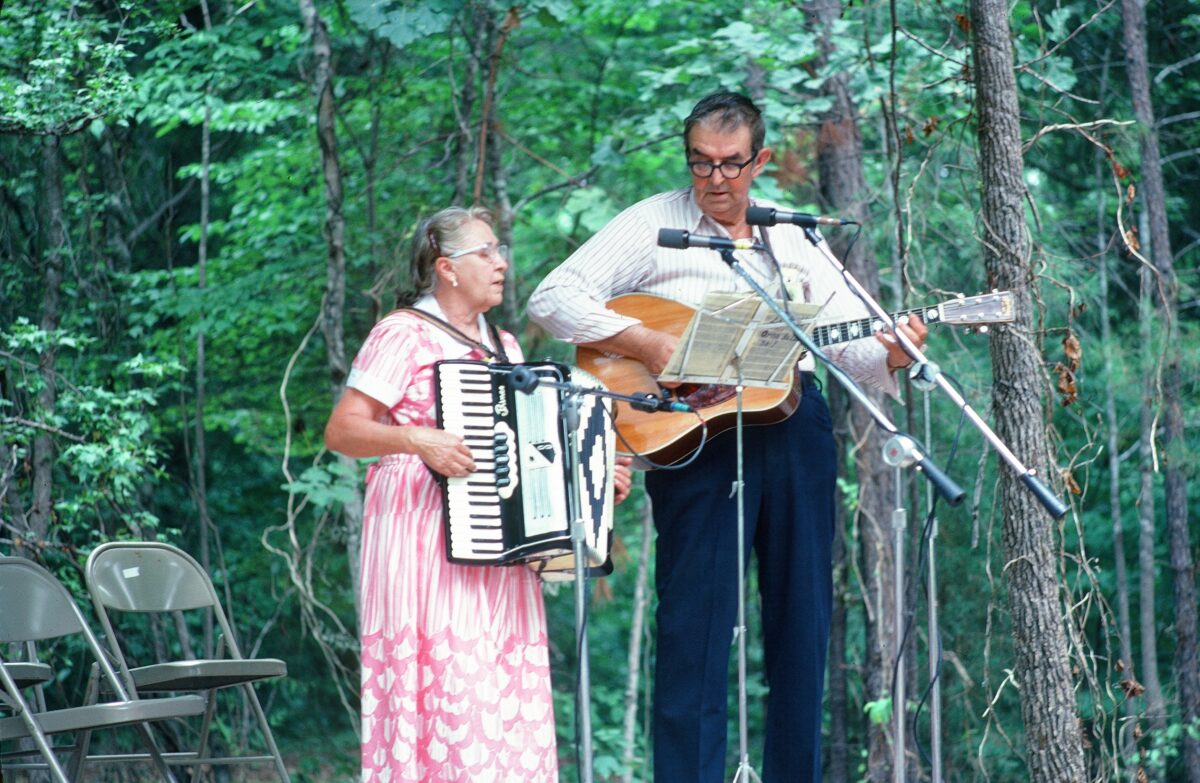
Orna and E.C. Ball
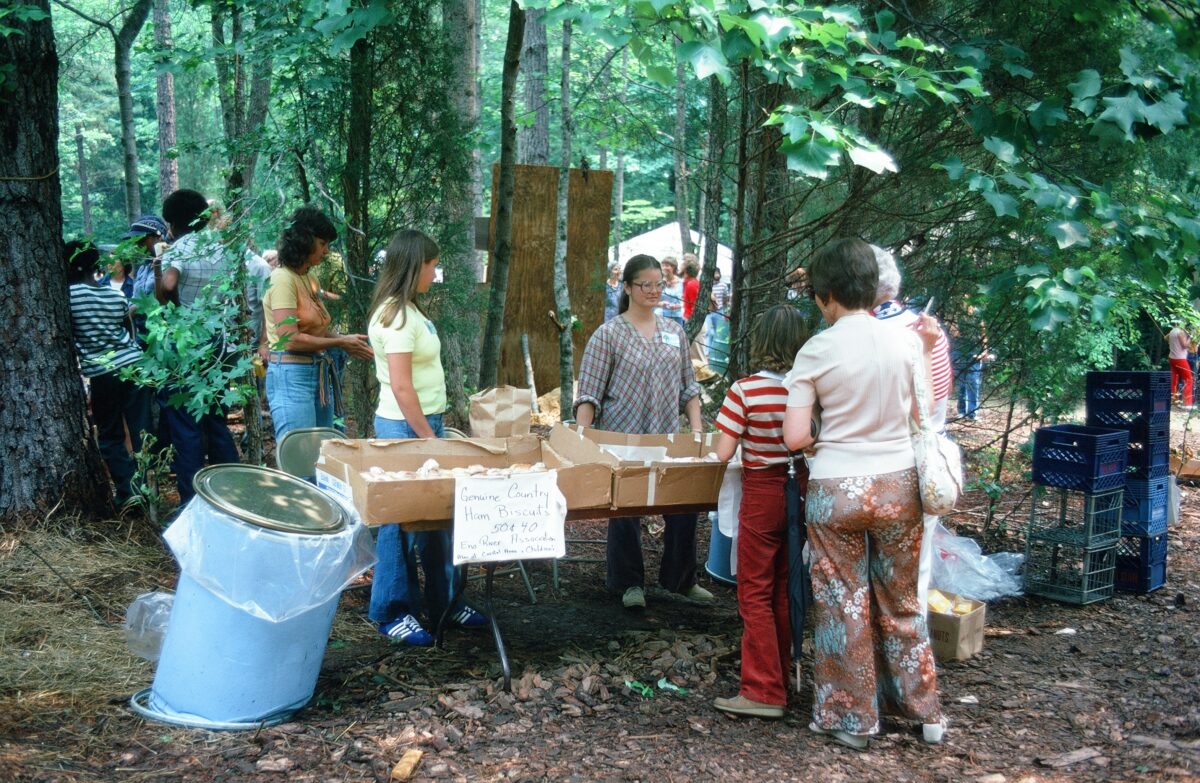
Ham Biscuits for Sale
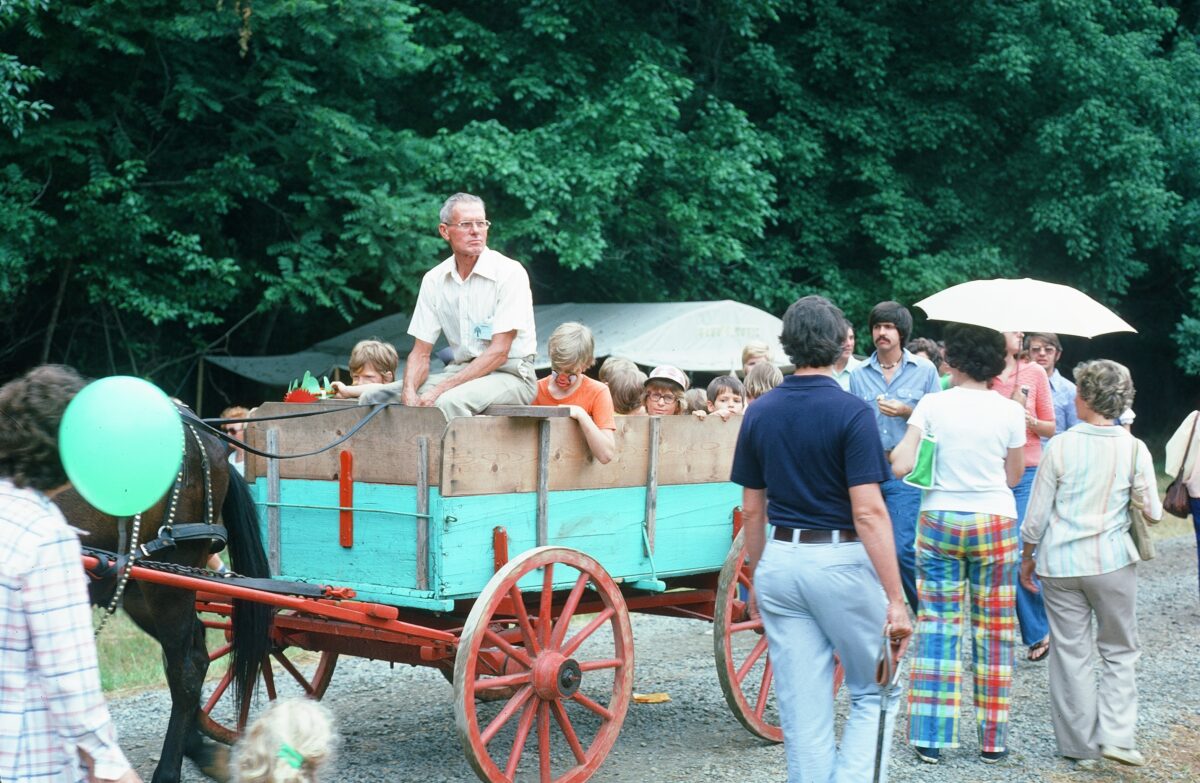
Enjoying a Hayride
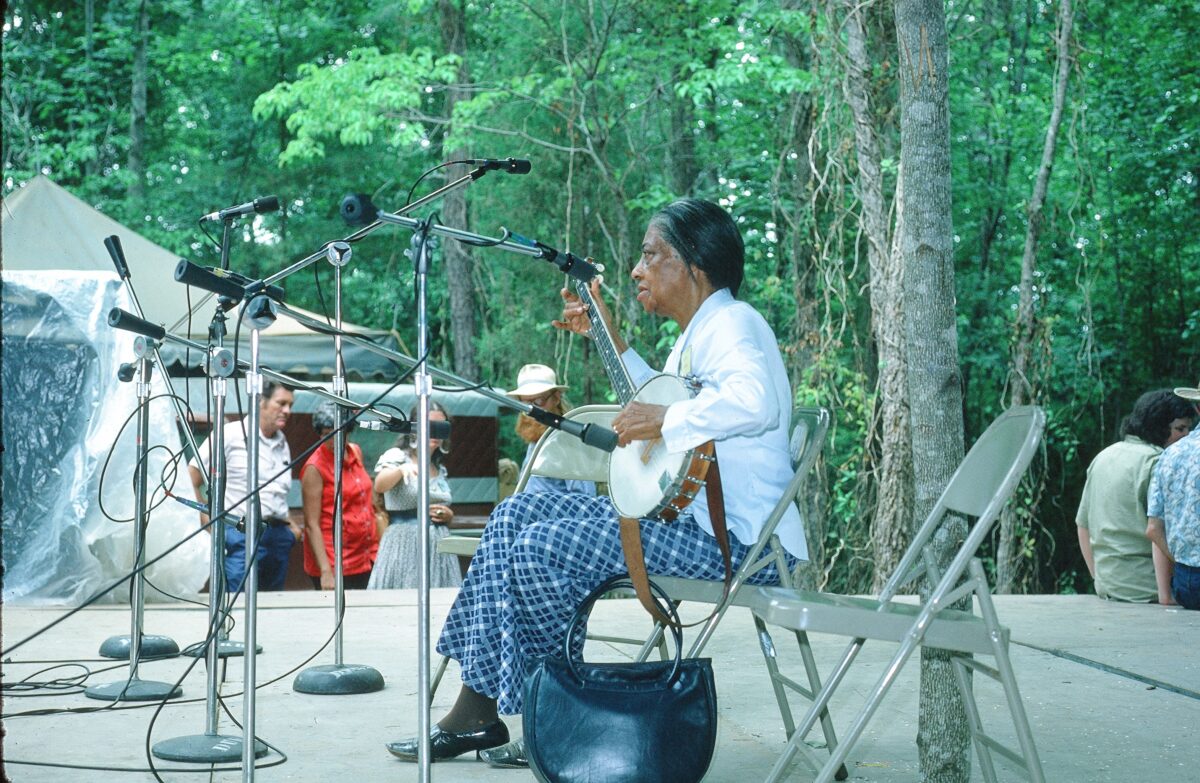
Elizabeth Cotten, Playing her Banjo
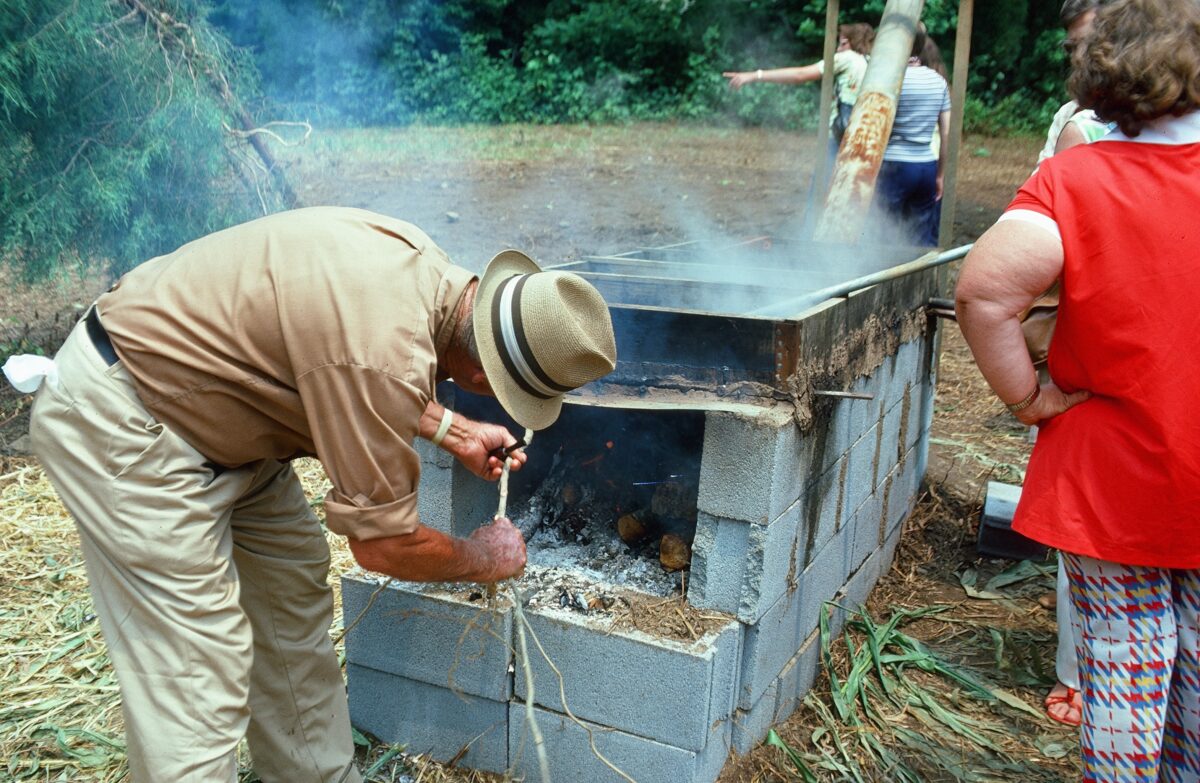
Molasses Cook-Off
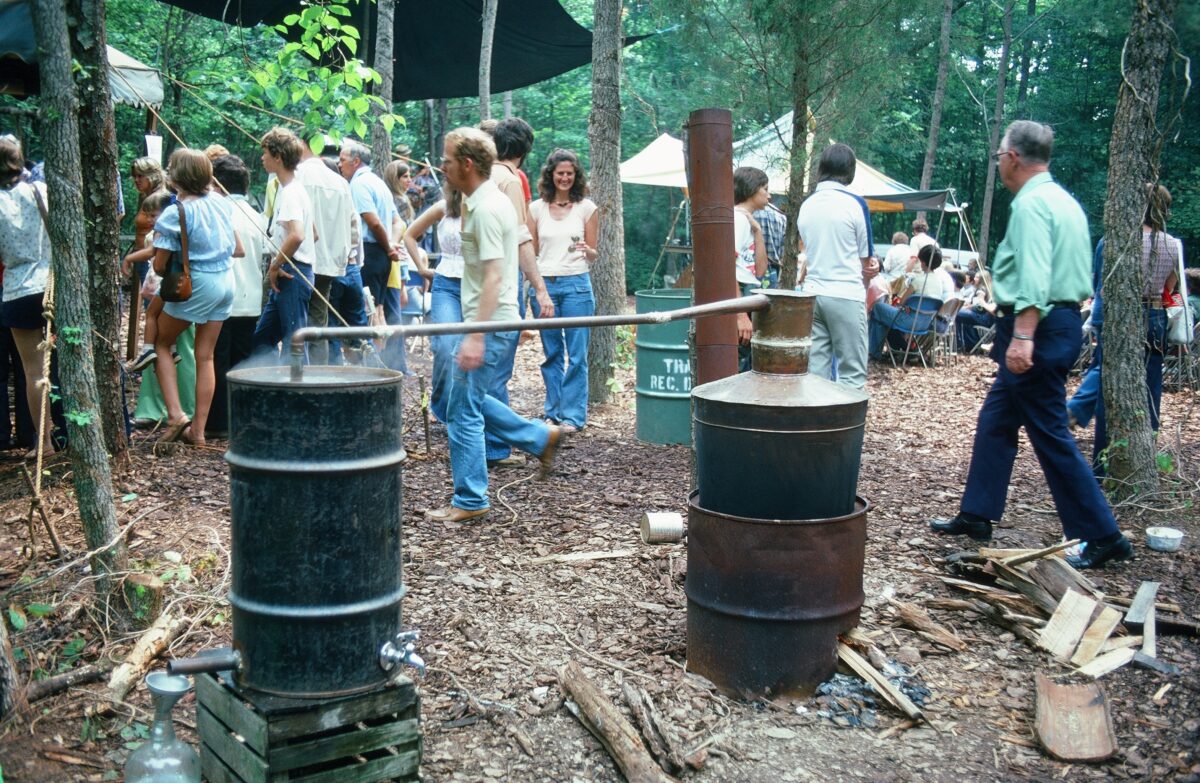
Willard Watson's Moonshine Still
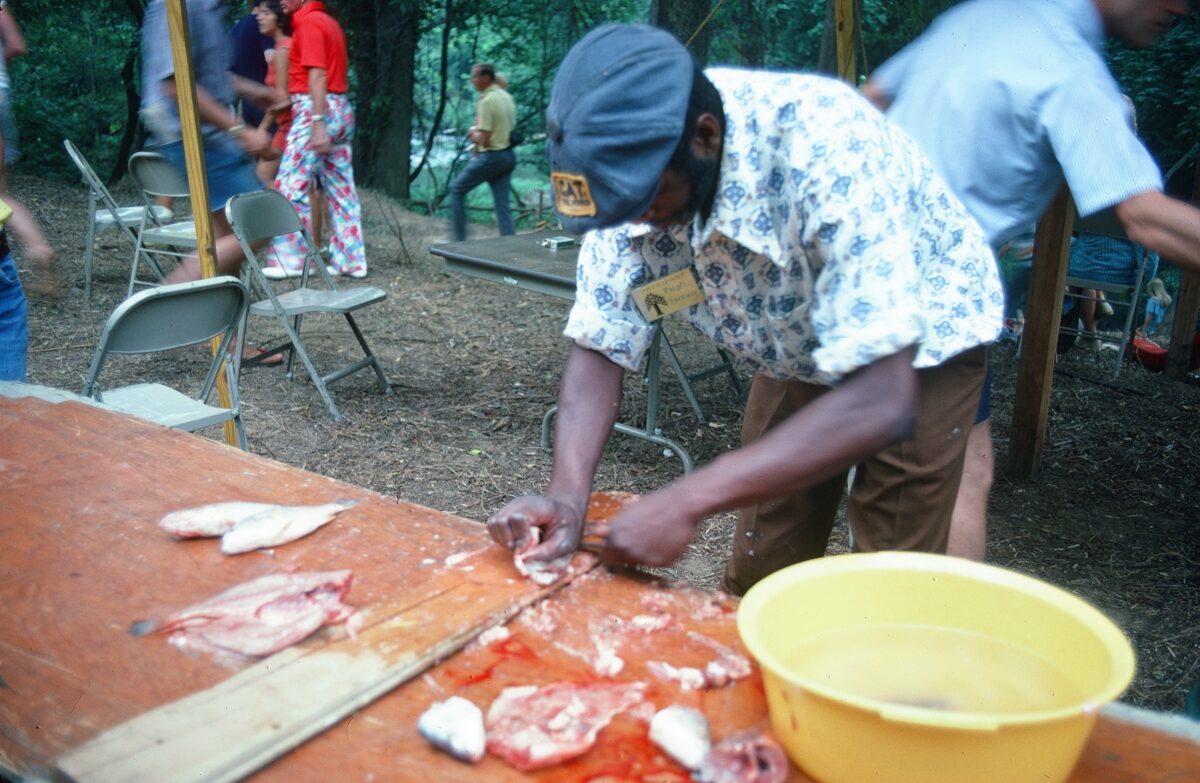
Ralph Yancey, Fileting Fish the Proper Way
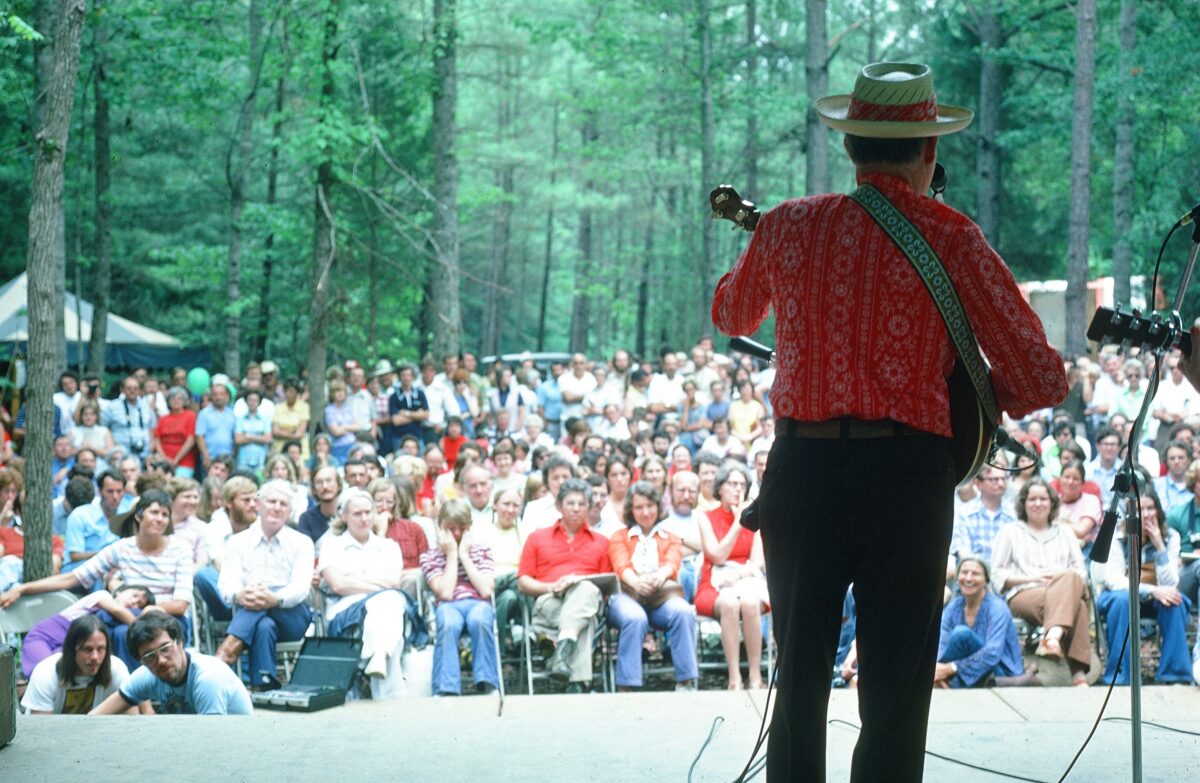
Scotty Wiseman Performs for the Crowd
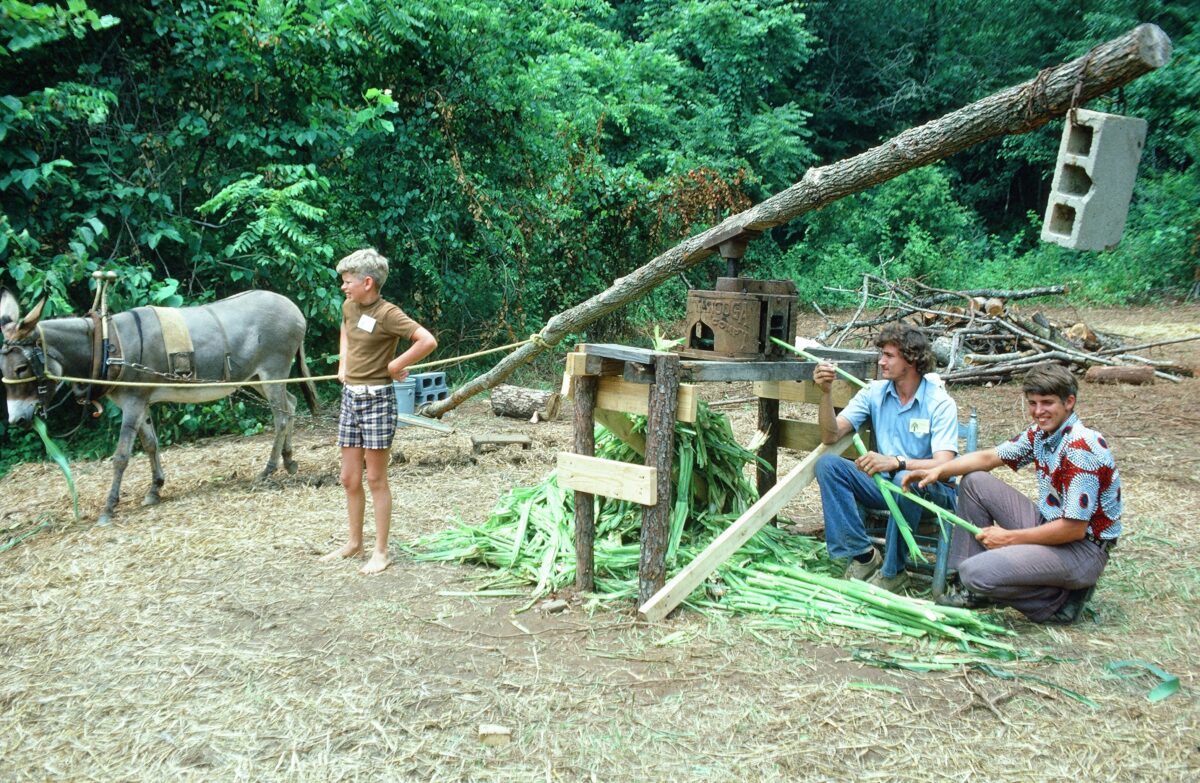
The Wheeler Family Demonstrating Their Old-Time Sorghum Mill
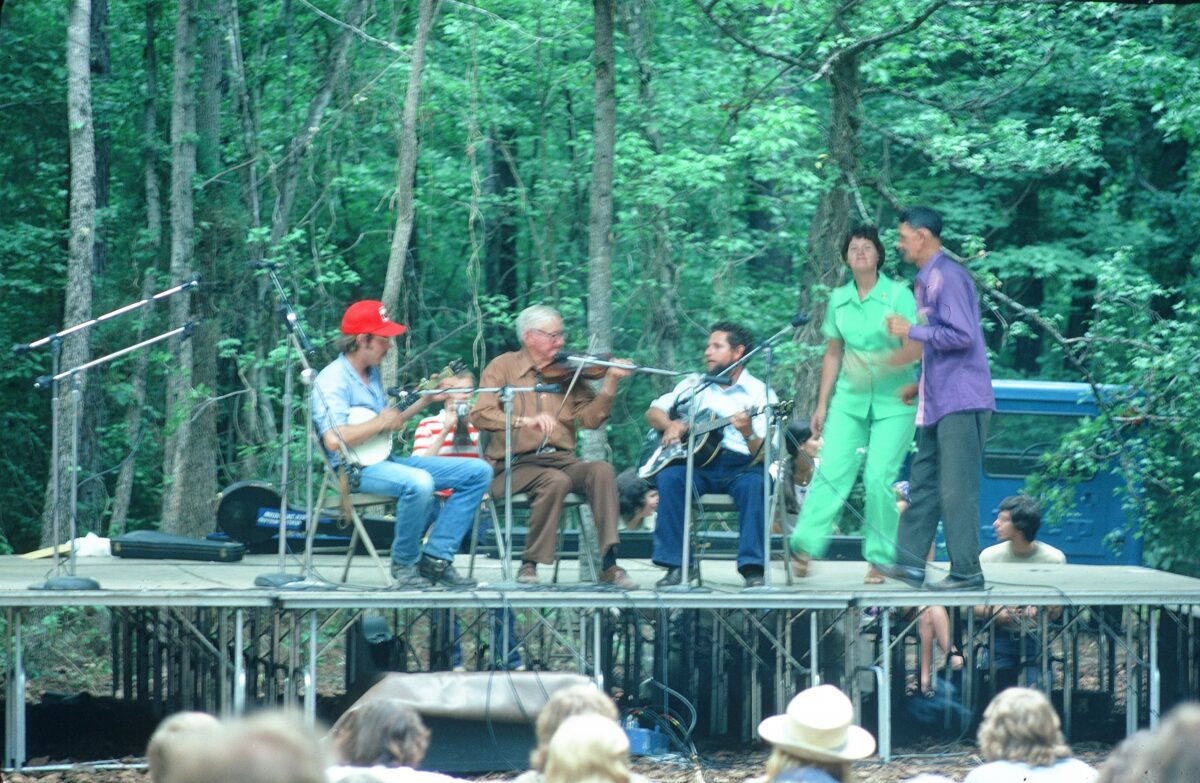
Tommy Jarrell and Band Performs with Willard Watson and Friend
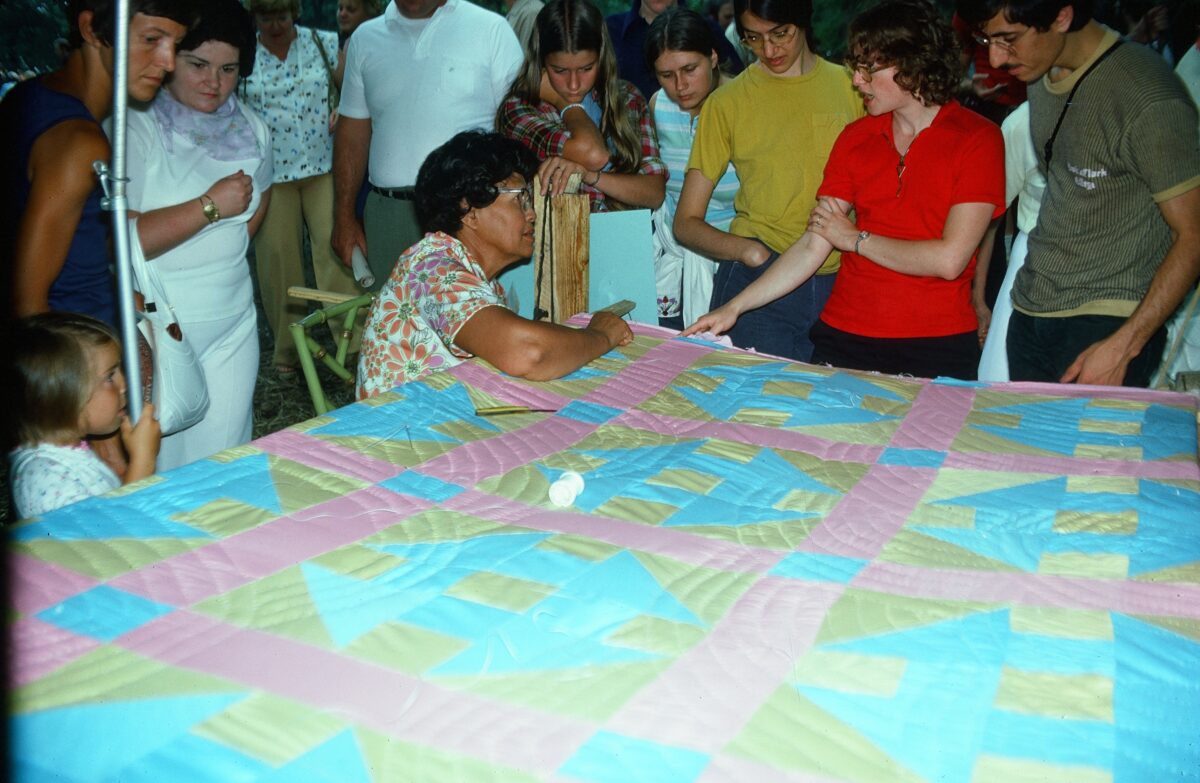
Valeria Scott, Down East Quilting
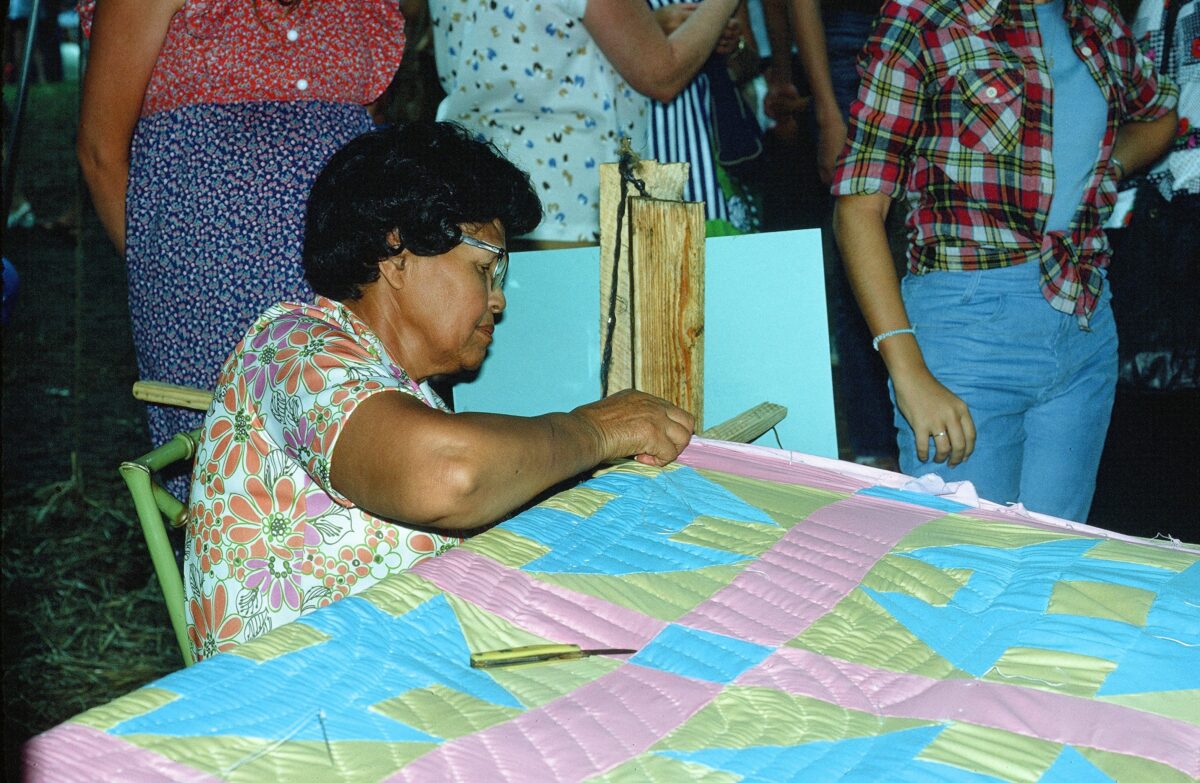
Valeria Scott, Down East Quilting
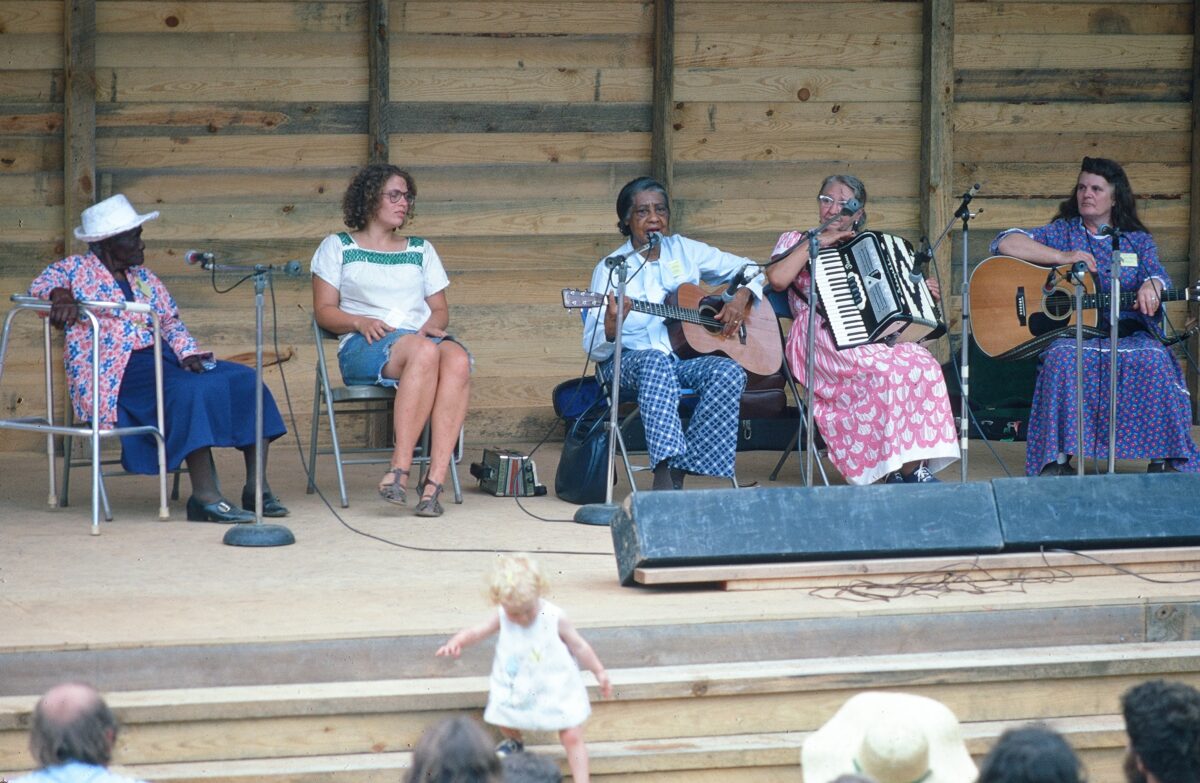
Lula Watson, Joan Fenton, Elizabeth Cotten, Orna Ball, and Ola Belle Reed
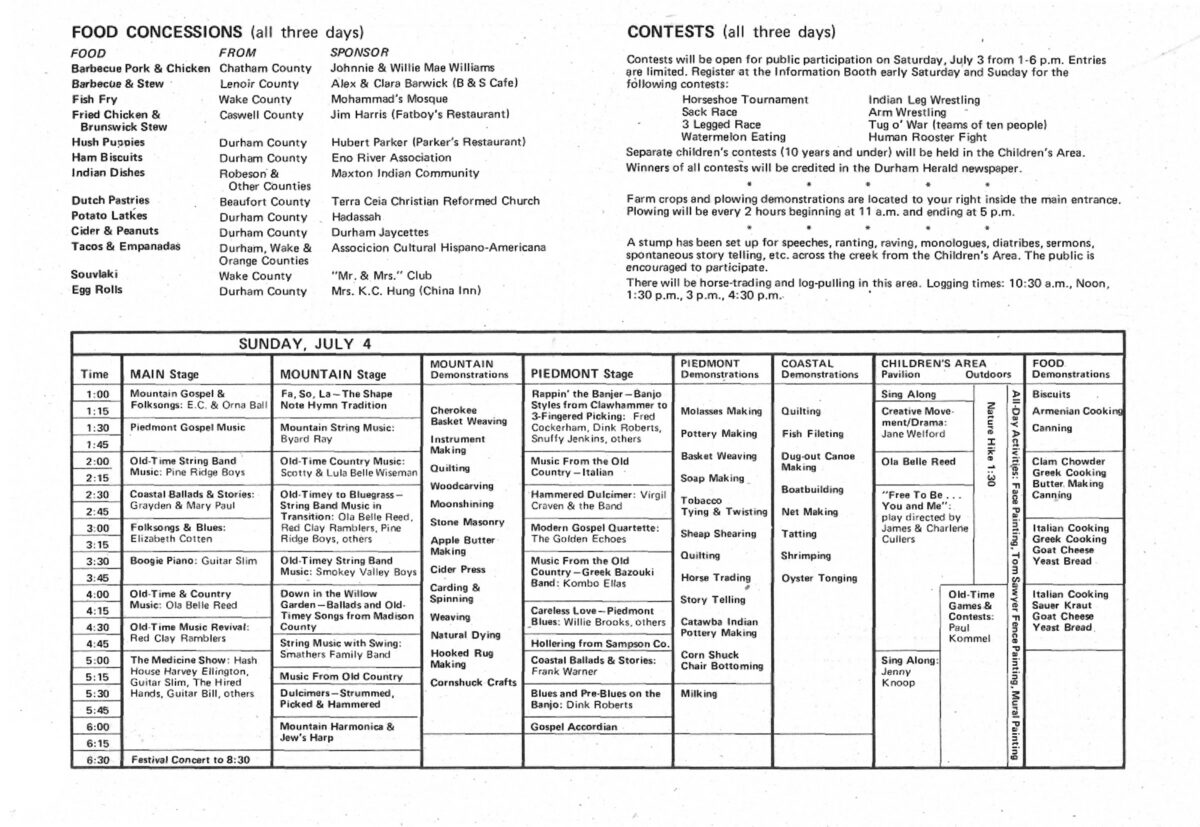
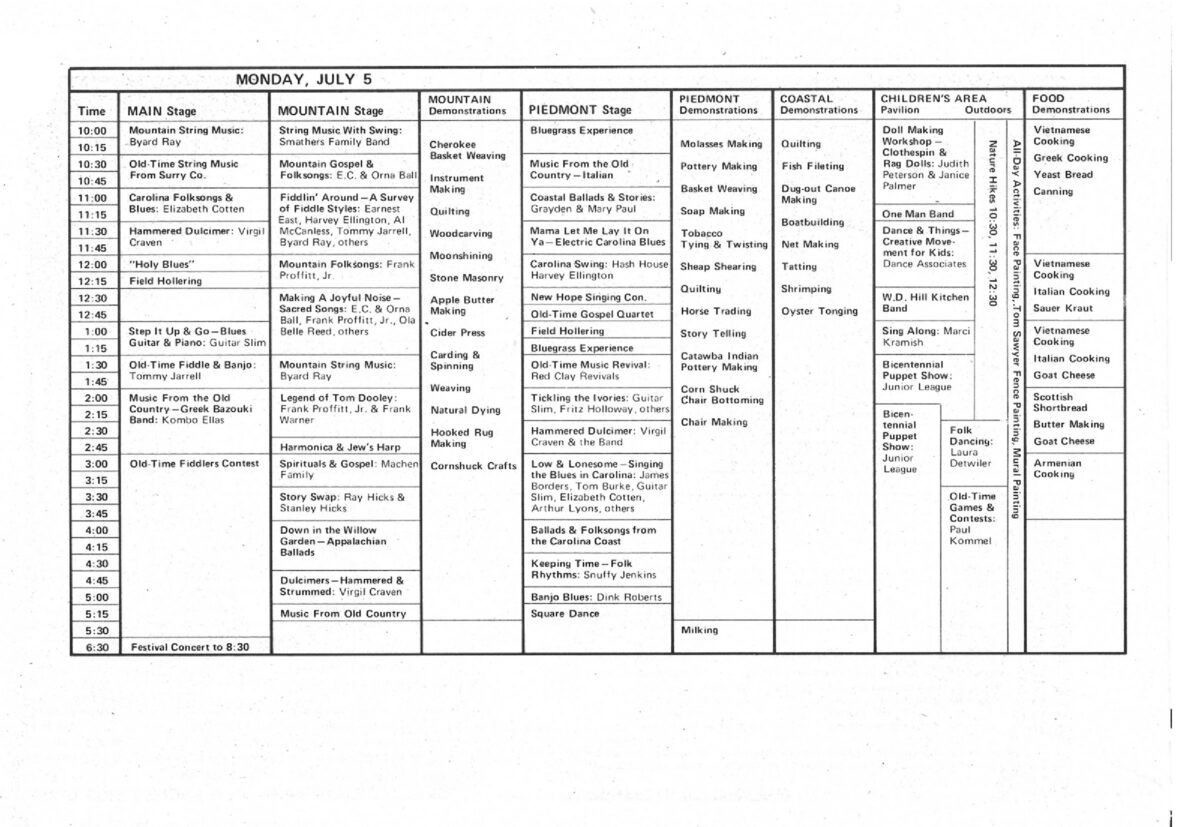
Festival Program
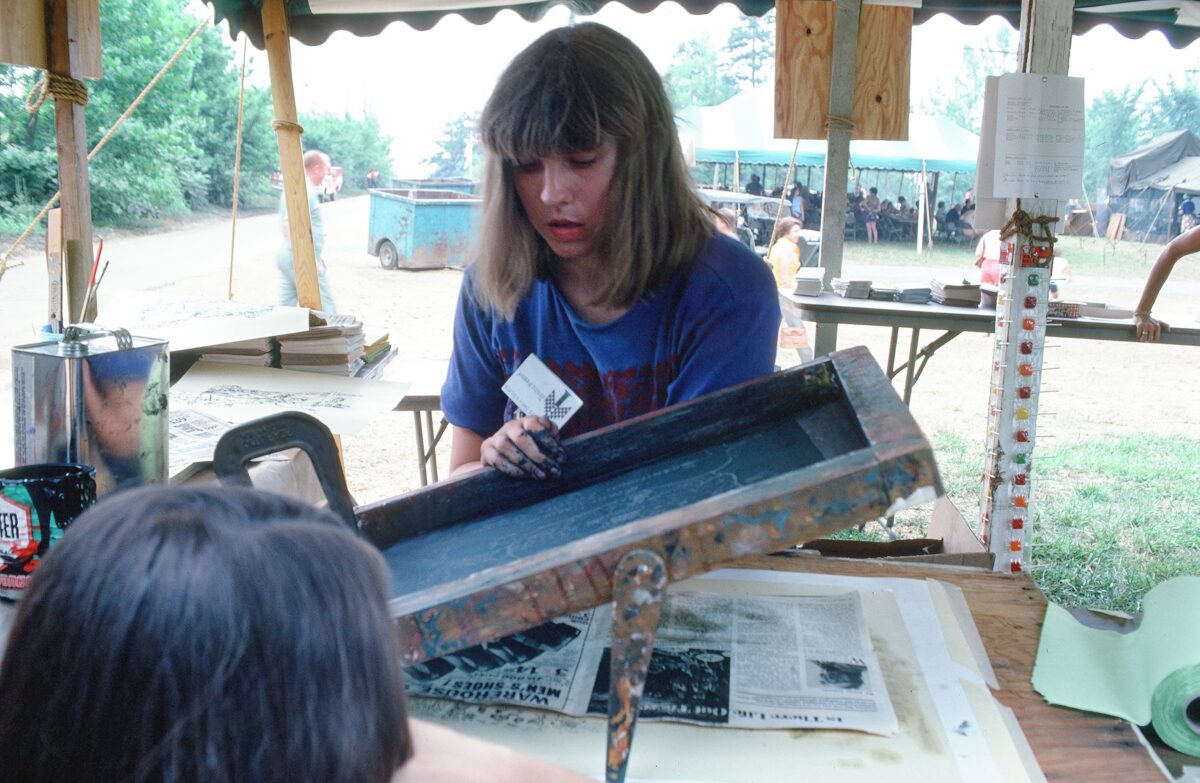
Jenny Nygard Demonstrating Silk Screening
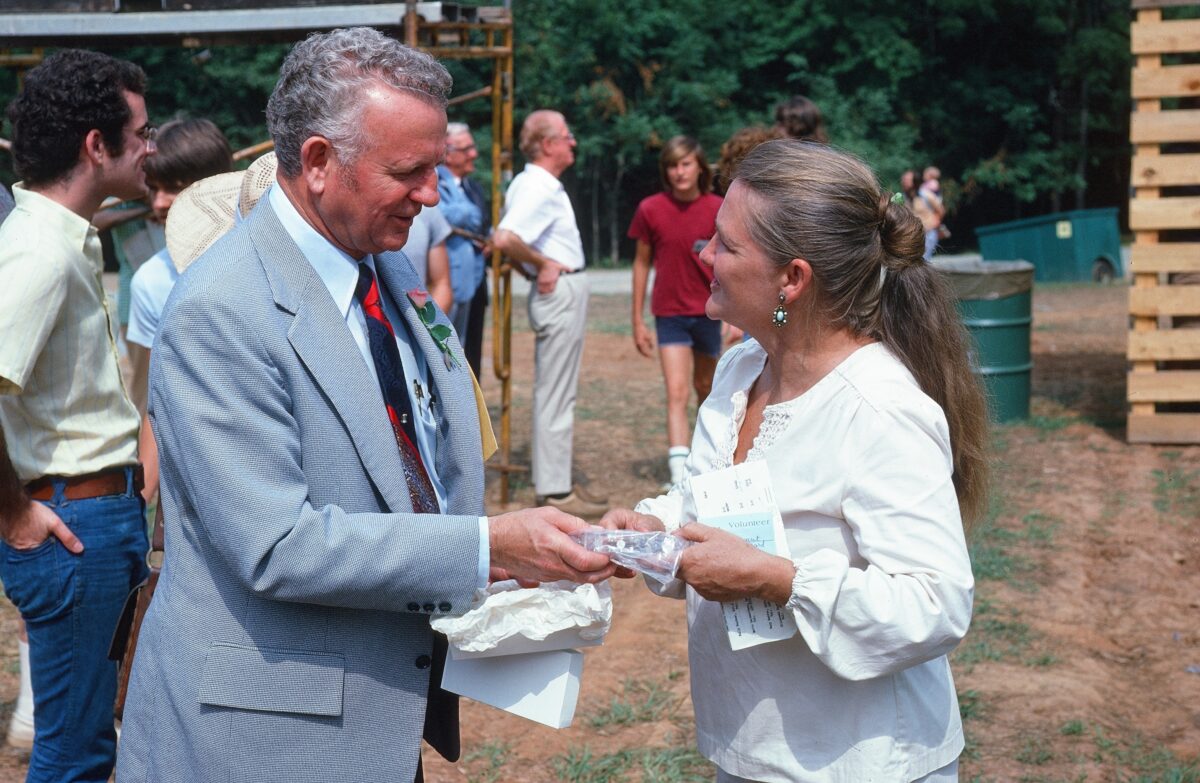
Mayor Wade Cavin with Margaret Nygard
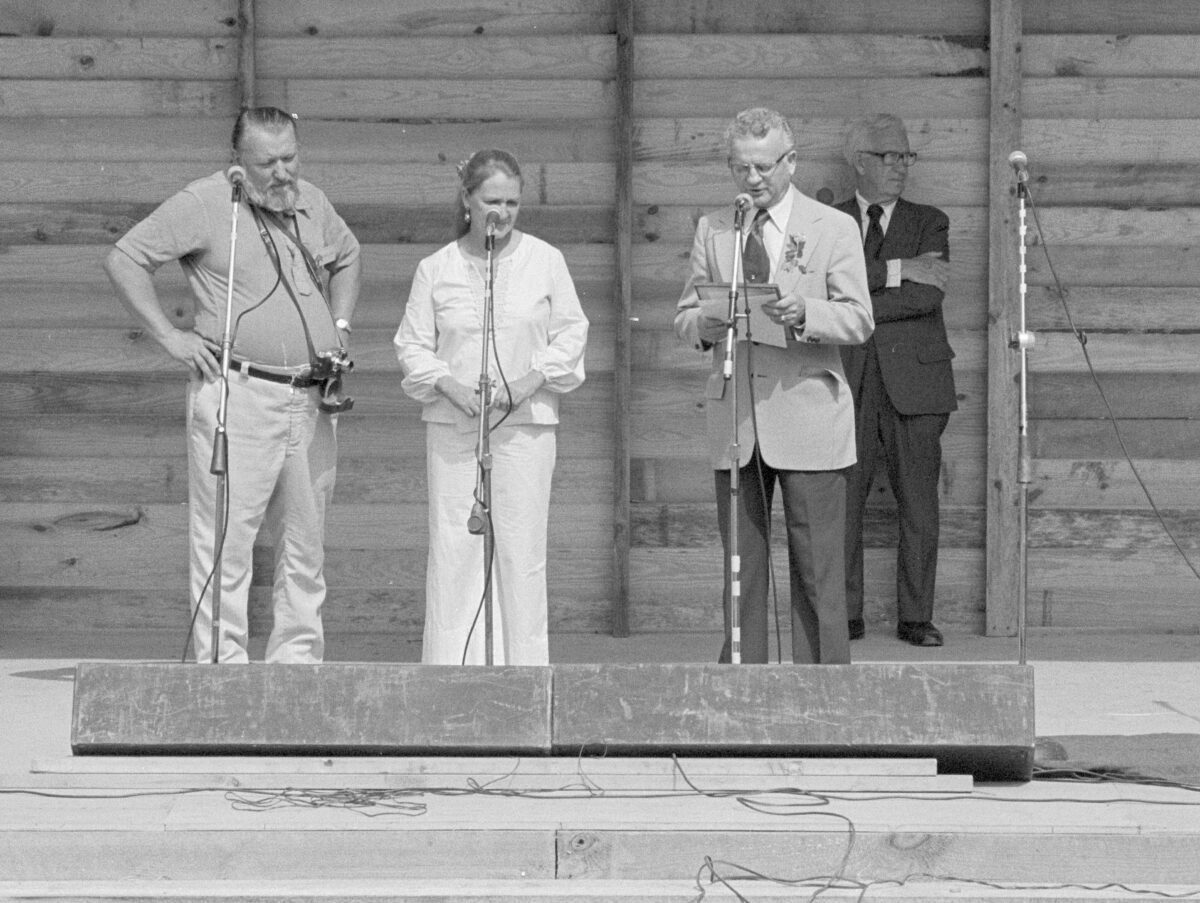
Holger and Margaret Nygard with Mayor Wade Cavin
A Tribute to Margaret
A Personal History of Margaret & Holger Nygard’s Campaign to Protect the Eno River Corridor
On July 5, 1976, toward the close of the Bicentennial Folklife Festival, Margaret Nygard with Holger at her side exclaimed:
Friends!
Friends of the Festival,
Friends of the Eno,When this festival started the Mayor and the City Council paid my husband and myself a warm tribute for our efforts in the preservation of the Eno. I want to hand that thanks right back to you.
Never in my wildest dreams could I have believed that the opening of the Eno River Park would start with so magnificent a celebration. It’s a miracle! And it just goes to show that people working together can make wonders.
When you go away from here I want you to remember three things:
One is, that the ground you’re walking on, the ground you’re sitting on, the ground this festival is on was slated to be a shopping center. And there would’ve been a high-rise office building where you’re sitting. Working together we made this happen.
And the second thing is, if you walk upstream and see the river flowing free, it flows that way because of you. We made it happen together.
And the third thing is, the battle isn’t over yet. We need your help. The park is just beginning. We’ve got 1,600 acres in the state park and 400 in the city, and we’ve got a way to go. So help us build it. Help us build that mill! And thank you very much! This is a festival to remember for 200 years!
The opening of West Point on the Eno City Park marked a milestone, the culmination of a long battle to save the historic site containing the McCown-Mangum House, Hugh Mangum’s early photography studio, and West Point Mill. At that time the work to preserve the Eno River as parkland had been a fledgling struggle of 12 years, and she was to push on with the work for another 19. She declared the pairing of the statewide Folklife Festival with the opening of West Point on the Eno on America’s 200th birthday to be “a miracle.” Next day the Greensboro papers ran that hammerhead across their front page. George Holt observed after her death in 1995 that the allied purposes of “land conservation and historic preservation and the preservation of North Carolina folkways and cultural traditions just gelled.”
Margaret’s earliest act to defend the Eno was an op-ed to the Durham paper around 1964, chastising them for not reporting a major fish-kill. It was caused by a chemical spill from a highway accident. Several cows died from poison water. She made the point that children swim and people fish in the Eno. The river reeked of dekyl alcohol and dead fish for miles, a stench so toxic it drove the Nygards from their home by the river to stay with friends in town.
Upon learning of Durham’s plan to dam the Eno for a reservoir, a group of some three families, including historian Jean Anderson and her husband Carl, formed the Association for the Preservation of the Eno River Valley, which was to grow into the nonprofit group we know today. Rather than solely reacting to oppose the dam, the Association’s visionary goal was to preserve the river for use as natural parkland. A civil engineer, Dr. Hai Chuan Tang, was hailed as a hero when he determined the old plan for the reservoir would only yield half of the anticipated volume of water and found better water sources for Durham. The effort to conserve the Eno was strategically organized with government planners, foremost among them Pearson Stewart, chief of the Research Triangle Regional Planning Commission. They acted with prescience and practicality in response to the megalopolis they knew was coming. They intended that there be a far-reaching wilderness corridor on the river to provide clean water, wildlife habitat, and outdoors recreation. The megalopolis they saw coming is now here.
In the 1976 address Margaret said “We made it happen together.” Over time the work to save the Eno was so transformative that many who had opposed the park became fervent supporters. They grew to value water protection, historic preservation, and the beauty of natural habitat instead of rampant development. To stereotype those involved at the time as being “tree-huggers” or “old-school activists” is to dismiss the breadth of the public effort that took place. They numbered in the hundreds, if not thousands. They were of all walks of life, of all ages, of various political persuasions, occupations and backgrounds. The 100,000 strong crowd the 1976 Folklife Festival drew was similarly diverse; very different people found common ground for celebrating America’s folkways.
The “Battle to Save West Point” lasted 5 difficult years. It took place alongside the other struggles to secure land and create the Eno River State Park. Margaret and George Pyne, her dearest friend among many, used to raise a glass at victorious moments saying “We have only 5 minutes to celebrate!” Saving West Point had been in part a knock-down, drag-out fight over the core 16 acre historic site. Telegrams were fired off to stop the destruction of the McCown-Mangum House. Ervin Industries sheared the front porch off with a bulldozer, ripped out its antique mouldings, and mowed down the 200 year old cedars lining the original Roxboro Road. The mill, which the Association and Friends of West Point had hoped to restore, collapsed in a flood, and had to be rebuilt from the ground up. The original millstones were stolen with the use of heavy equipment. (Over 50 years later, we will accept them back for the historic site—no questions asked.)
The tool that saved West Point was an Environmental Impact Statement, through a new law enacted by the Nixon administration, the first time one had ever been used in North Carolina. Of course the statement advocated environmental protection and the need to preserve West Point’s rare flora and fauna. The historical section was its more unusual feature. The Historical Research Committee, a battalion of 10 historians led by Mary Claire Engstrom, worked in haste to describe the history of the 16 acre site. Their documentation was crucial to gain placement on the National Register of Historic Places. “The Story of West Point” written by Jean Anderson with Margaret became the historical section of the Impact Statement.
Duncan Heron, now almost 100, has shared his photos for this Folklife Festival exhibit and captured Margaret making the 1976 speech. He first met her while canoeing the Eno. She was standing on a rock mid-river and told him it was to be dammed. From that day on he was a committed fighter for the river, multiple times the Eno Association’s president. Jean Anderson, now past 100, was there from the very beginning.
Two years ago Margaret posthumously received a high honor from the Daughters of the American Revolution. They honored her with their Women in American History award for her work as an environmentalist and in historic preservation. They placed her in the ranks of Sally Ryde, Rosa Parks, Mahalia Jackson and Laura Bush, among other icons.
In America’s 250th year, in this time where voting rights and immigrants, the environment and science, are all under siege she would want it known that she and Holger came to America as immigrants. They became Americans because they loved this country. He was born in Finland; his first language was Swedish. She was born in India in 1925. As a small child she was deathly ill with malaria. Her ayah, Hannah, nursed her back. Her mother called her “Miss Determination.” Once she had to kill a cobra in the dormitory of her boarding school. As a girl she traversed the Suez Canal 13 times to be schooled in Britain.
The Germans targeted and bombed her school in WWII, so she was sent, alone at 16, in a convoy of ships to Canada, one of which was hit by a torpedo. She studied side-by-side with Holger Nygard at the University of British Columbia in Vancouver. She and Holger aided his close Japanese-Canadian friends when they were forced into the internment camp called Tashme. They both earned PhDs in English from the University of California at Berkeley. By the time they came to live by the Eno, they had seen much of the world and its injustices. They saw the beauty of the river with clear eyes and shared a moral calling to protect it into the future.
These are sad facts: West Point on the Eno will be shut down during the 50th anniversary of its momentous opening. A high-rise development is going in next to it and will occupy half of Black Meadow Ridge, an historic part of West Point. Though half of the ridge has been saved, the development straddles the high ground of an Eno tributary. That stream, known as Black Meadow Branch since colonial days, flows directly to the mill to join the millrace. The advisory group, Friends of West Point, was organized in 1974 to rebuild the mill, restore the house, create the photography museum, and guide the operation of the historic site. Over a decade ago they took issue with the Recreation Department about the operation of the historic site and the mill. The City broke off the relationship. Since the Chantal storm, West Point Mill no longer runs.
If Margaret could add to her 1976 address, she would want you to remember a fourth thing, which she said to Al Roker on NBC in 1989:
There won’t be any end to this story. I’m afraid that’s the strange thing about an environmental effort. After the master plan is completed, then there’s going to be the need to safeguard what we’ve got.
She would hope that you not only remember that message, but also act on it.
— Jenny & Kerstin Nygard